


Cross Bay Boulevard Accelerates Coastal Resilience Efforts
NEW YORK — Communities lining Cross Bay Boulevard are seeing a marked acceleration in coastal resilience projects, following a series of severe weather events in recent years. This surge in activity aims to protect the vulnerable Queens shoreline from future storms and rising sea levels.
Officials confirmed that several key initiatives, focusing on infrastructure upgrades and natural barrier enhancements, are now progressing rapidly. These efforts are a direct response to comprehensive studies indicating increased flood risks in the area, particularly in neighborhoods like Broad Channel and Howard Beach.
Mayor's Office Prioritizes Shoreline Protection
The Mayor's Office of Resiliency and Climate Change Adaptation announced on February 28, 2026, a commitment of an additional $150 million to reinforce coastal defenses across Queens. This funding targets areas identified as high-risk, including sections adjacent to Cross Bay Boulevard.
Commissioner Anya Sharma stated that the investment would support projects ranging from tidal marsh restoration to the construction of new floodwalls. "Protecting our waterfront communities is not just an environmental imperative; it's an economic and social one," Sharma told reporters. "We are ensuring that neighborhoods like those along Cross Bay Boulevard are prepared for the challenges of a changing climate."
Significant Projects Underway Along the Boulevard
Several specific projects are now actively underway. Near the Joseph P. Addabbo Memorial Bridge, construction has begun on an elevated boardwalk designed to double as a storm surge barrier. This innovative approach combines recreational amenities with critical protection.
Farther south, towards the Rockaways, restoration of 15 acres of vital salt marsh wetlands is progressing. These natural buffers are crucial for absorbing storm energy and filtering pollutants, safeguarding both the environment and human infrastructure. The marsh restoration is expected to be completed by early 2027.
Community Engagement and Planning
Local residents and community boards have been integral to the planning and implementation phases of these resilience projects. Public meetings held at the Broad Channel American Legion Hall gathered crucial feedback, shaping the final designs.
Members of the Broad Channel Civic Association have consistently advocated for robust protective measures. "We've seen firsthand the devastation that unchecked storms can bring," stated Arthur J. Laskin, president of the association. "These projects are not just about concrete and dirt; they're about preserving our homes and our way of life along the water."
Long-Term Vision for a Resilient Queens
The acceleration of these projects forms part of a broader, long-term vision for a resilient Queens. The strategy integrates hard infrastructure with nature-based solutions, aiming for sustainable protection.
Engineering firms like Coastal Defense Solutions, Inc., are employing cutting-edge techniques to ensure the longevity and effectiveness of the new defenses. Their work includes using specialized materials resistant to saltwater corrosion and extreme weather. This comprehensive approach considers both immediate threats and future climate projections.
Economic and Environmental Benefits
Beyond direct protection from storms, these resilience efforts are expected to yield significant economic and environmental benefits. The projects are creating dozens of local jobs in construction, engineering, and environmental restoration.
Improved ecological health of the Jamaica Bay estuary, which borders parts of Cross Bay Boulevard, will also result. Healthier wetlands support diverse wildlife and contribute to cleaner water quality, enhancing the overall appeal of the area. Preserving coastal ecosystems is a priority for city planners and environmental advocates.
Addressing Past Challenges and Future Threats
Past severe weather events, such as Hurricane Sandy in 2012, exposed critical vulnerabilities in Queens' coastal infrastructure. These new projects directly address lessons learned from those devastating experiences.
City planners anticipate that with these enhanced protections, the risk of property damage and displacement will be significantly reduced in future storm seasons. The proactive stance taken by the city underscores a commitment to safeguarding its most exposed communities. The community's active participation has been a key factor in moving these initiatives forward, providing local insights that are invaluable for effective planning. This commitment extends beyond mere physical barriers, embracing a holistic view of community well-being.
Frequently Asked Questions About Coastal Resilience on Cross Bay Boulevard
What types of coastal resilience projects are underway along Cross Bay Boulevard? Projects include the construction of elevated boardwalks doubling as storm barriers, the restoration of salt marsh wetlands, and the implementation of new floodwall systems. These efforts aim to protect communities like Broad Channel and Howard Beach. City officials highlight the dual benefits of these projects, offering both protection and improved public spaces.
How much funding has been allocated for these initiatives? The Mayor's Office has committed an additional $150 million specifically for coastal defense upgrades in Queens, with significant portions directed to areas along Cross Bay Boulevard. This funding supplements previous allocations and ensures the scope and scale of necessary protective works. It demonstrates a significant financial commitment to protecting waterfront properties.
When are these coastal resilience projects expected to be completed? The 15-acre salt marsh restoration is projected for completion by early 2027. Other projects, including the elevated boardwalk, are on staggered schedules with various phases reaching completion through late 2027 and into 2028. The long-term vision ensures ongoing maintenance and adaptability of these systems.
How can residents stay informed or get involved? Residents can attend public meetings organized by community boards and the Mayor's Office of Resiliency. Information is also available through the Queens Daily Eagle and local civic associations. Regular updates are provided through various city channels and neighborhood publications.
Written by
Newstrix
Cross Bay Current
Related Articles
More in Environment →Cross Bay Boulevard Residents Connect Bangkok Flooding to Local Concerns
Queens residents on Cross Bay Boulevard link Bangkok's flood disaster to their own local concerns about storm drains and neighborhood flood preparedness.
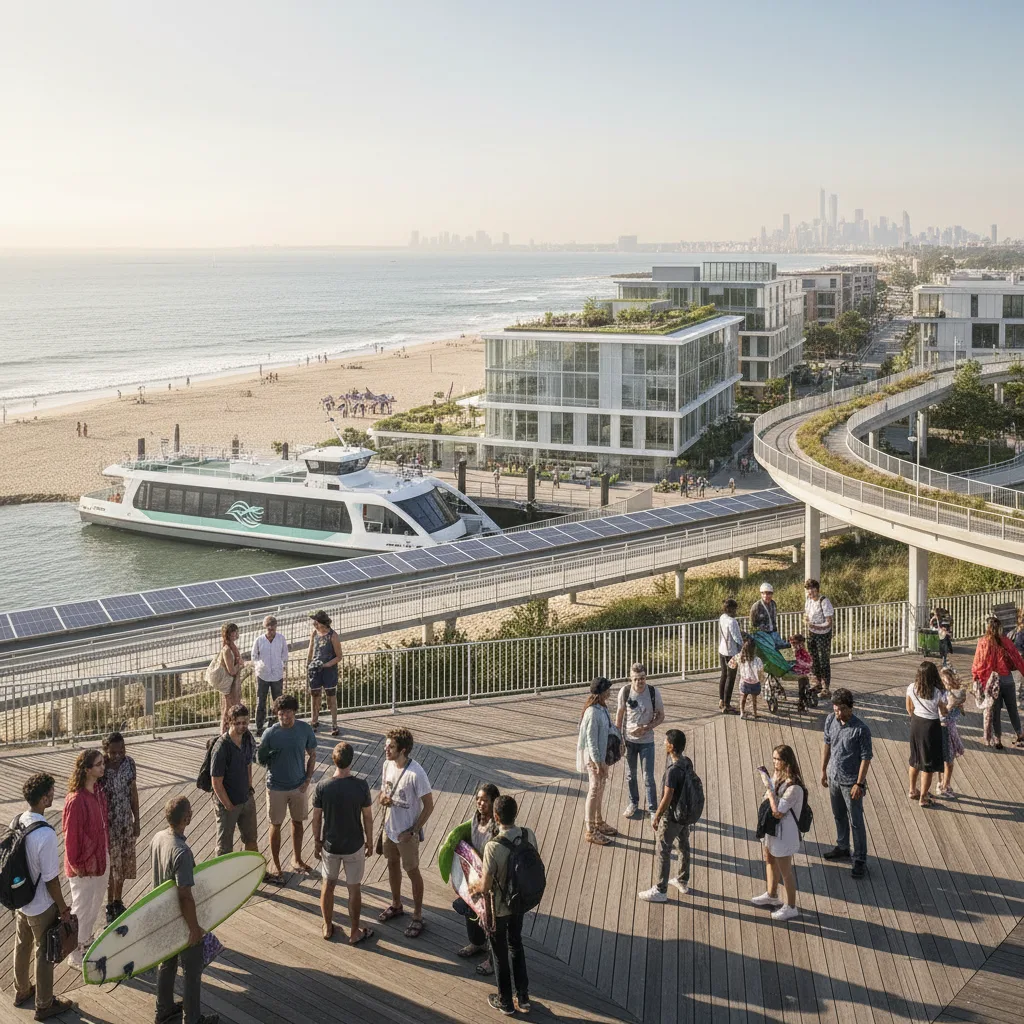
Your Essential Guide to the Rockaway Ocean Club in 2026
Discover what to expect at the Rockaway Ocean Club in 2026, a vibrant beachfront hub in Queens with dining, events, and community activities.
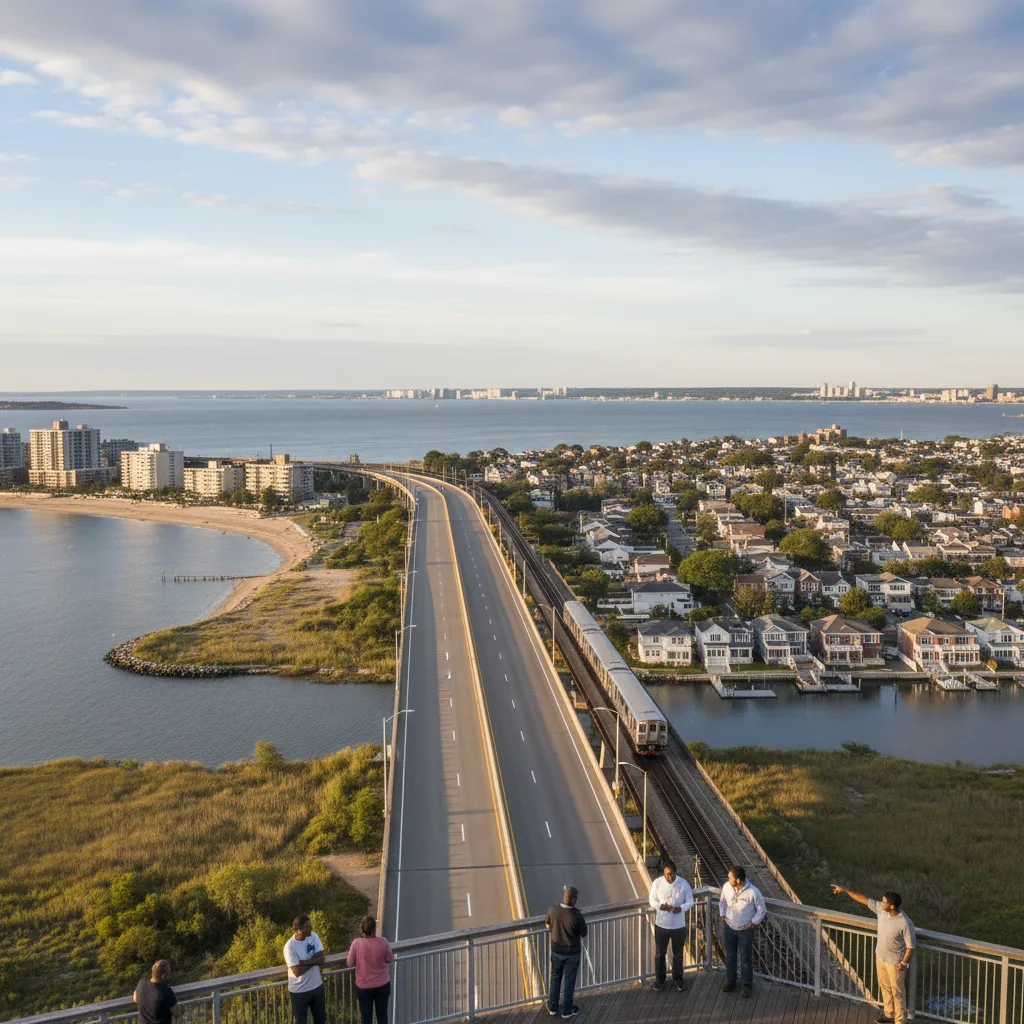
Is Howard Beach in Queens or Brooklyn? A Comprehensive Guide to This Unique NYC Neighborhood
Is Howard Beach in Queens or Brooklyn? Discover the definitive answer: Howard Beach is a vibrant Queens neighborhood with unique coastal charm.
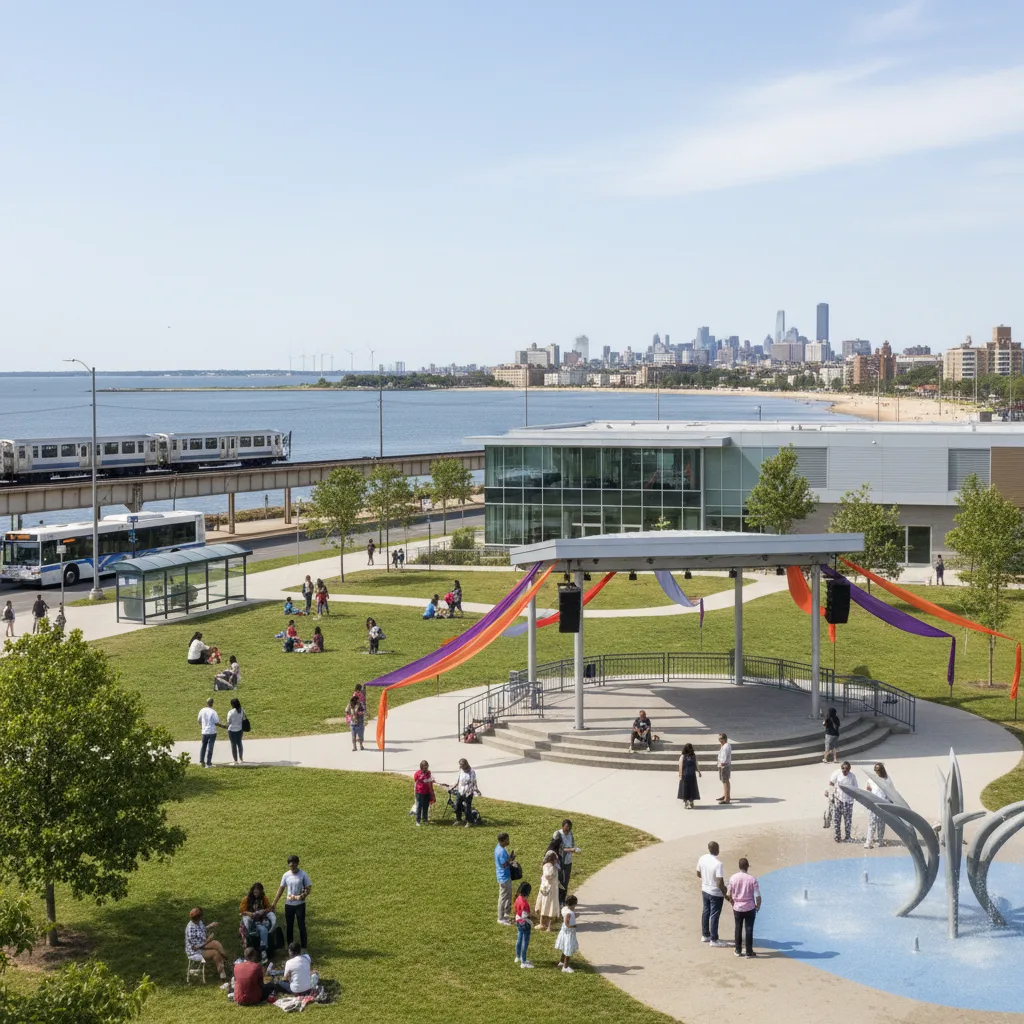
Your Essential Guide to Roy Wilkins Park Events in 2026
Discover the essential guide to Roy Wilkins Park events in 2026, featuring concerts, festivals, sports, and nature programs for South Queens residents.
Is Howard Beach in Queens? An Essential Guide to This Vibrant NYC Neighborhood
Discover if Howard Beach is in Queens, NYC, and explore this vibrant neighborhood's unique geography, community, lifestyle, and local attractions.
Your Guide to Enjoying All Things Go Festival in 2026
Plan your 2026 All Things Go Festival experience from Queens with our comprehensive guide, covering tickets, travel, and what to expect.