


Cross Bay Boulevard Reflects Queens' Diverse Environmental Issues

NEW YORK — Cross Bay Boulevard, a vital artery connecting mainland Queens to the Rockaway Peninsula, serves not only as a commercial hub but also as a window into the borough's diverse and often vulnerable environmental landscape. The ecological significance of the areas surrounding the boulevard, particularly Jamaica Bay, regularly brings local environmental concerns into public discourse, as highlighted by various Queens news outlets.
While a recent, more whimsical article in the Queens Daily Eagle explored a fictional horseshoe crab's journey after an asteroid impact, the real-world challenges facing species like the Atlantic horseshoe crab in Jamaica Bay are far more grounded and pressing. Conservation efforts along the boulevard’s aquatic edges are a continuous focus for local environmental groups and scientists, particularly as climate change impacts coastal ecosystems.
Preserving Jamaica Bay's Delicate Ecosystem
Jamaica Bay, an 18,000-acre wetland estuary bordering Cross Bay Boulevard, is a critical habitat for over 325 species of birds, numerous fish, and essential invertebrates like the horseshoe crab. These ancient creatures play a crucial role in the ecosystem, and their declining populations due to habitat loss and overharvesting are a significant concern for environmentalists in 2026.
"The health of Jamaica Bay directly impacts the quality of life for communities along Cross Bay Boulevard, from Howard Beach to Broad Channel," stated Dr. Anya Sharma, Director of Conservation for the Jamaica Bay Wildlife Refuge. "We see the effects of pollution and development daily. Protecting our wetlands and native species is paramount for the future of Queens' coastal resilience."
Local Initiatives for Habitat Restoration
Several local organizations, including the Jamaica Bay-Rockaway Parks Conservancy and the American Littoral Society, are actively engaged in habitat restoration projects. These initiatives range from planting marsh grass to stabilize shorelines to creating oyster reefs that filter water and provide marine habitats. Volunteer days, often involving residents from neighborhoods accessible via Cross Bay Boulevard, are regularly organized to remove invasive species and collect trash from the bay's shorelines.
In 2025, a project supported by a $500,000 grant from the New York State Department of Environmental Conservation, focused on restoring a 10-acre section of marshland near the Addabbo Bridge. This work directly benefits species like the horseshoe crab by improving their spawning grounds. More information about environmental issues can be found in general Queens news sources.
Community Engagement in Conservation
Education and community involvement are integral to these conservation efforts. Local schools in Broad Channel and Howard Beach frequently participate in programs designed to teach students about the importance of Jamaica Bay's biodiversity. Field trips to the Jamaica Bay Wildlife Refuge are common, where children learn firsthand about the ecosystem and the plight of its inhabitants.
"When children learn about the horseshoe crabs and the vital role they play, it instills a sense of stewardship," commented Maria Rodriguez, a science teacher at PS 207 Rockwood Park. "They understand that Cross Bay Boulevard isn't just a road; it's a gateway to a natural wonder that needs our protection."
Addressing Pollution and Climate Impacts
Pollution, particularly from stormwater runoff flowing into the bay, remains a persistent challenge. Efforts are underway to upgrade sewage infrastructure and promote green infrastructure solutions that naturally filter pollutants before they reach the bay. Additionally, rising sea levels and increased storm intensity, consequences of climate change, pose long-term threats to the bay's low-lying wetlands and the communities of Broad Channel and Howard Beach.
The city's resiliency plans include elevating homes and reinforcing shorelines, measures that directly impact properties along the waterfront and close to Cross Bay Boulevard. These projects are critical for both ecological and human well-being, aiming to safeguard the natural beauty and the livelihoods connected to Jamaica Bay. For updates on other environmental concerns, general Queens News is often available.
Frequently Asked Questions
Q: What is the main environmental concern for the Cross Bay Boulevard area? A: The primary environmental concern is the preservation of Jamaica Bay's delicate wetland ecosystem, which faces threats from pollution, habitat loss, and the impacts of climate change.
Q: What species are particularly affected in Jamaica Bay? A: Many species are affected, including over 325 types of birds, various fish, and invertebrates like the Atlantic horseshoe crab, whose populations are declining.
Q: What conservation efforts are underway in Jamaica Bay? A: Efforts include habitat restoration projects like marsh grass planting and oyster reef creation, volunteer clean-up days, and educational programs. There are also infrastructure upgrades to reduce pollution and resiliency plans against climate change.
Q: How can local residents get involved in conservation? A: Residents can participate in volunteer clean-up days, support local environmental organizations like the Jamaica Bay-Rockaway Parks Conservancy, and advocate for sustainable practices within their communities.
Written by
Newstrix
Cross Bay Current
Related Articles
More in Environment →
Cross Bay Boulevard Residents Connect Bangkok Flooding to Local Concerns
Queens residents on Cross Bay Boulevard link Bangkok's flood disaster to their own local concerns about storm drains and neighborhood flood preparedness.
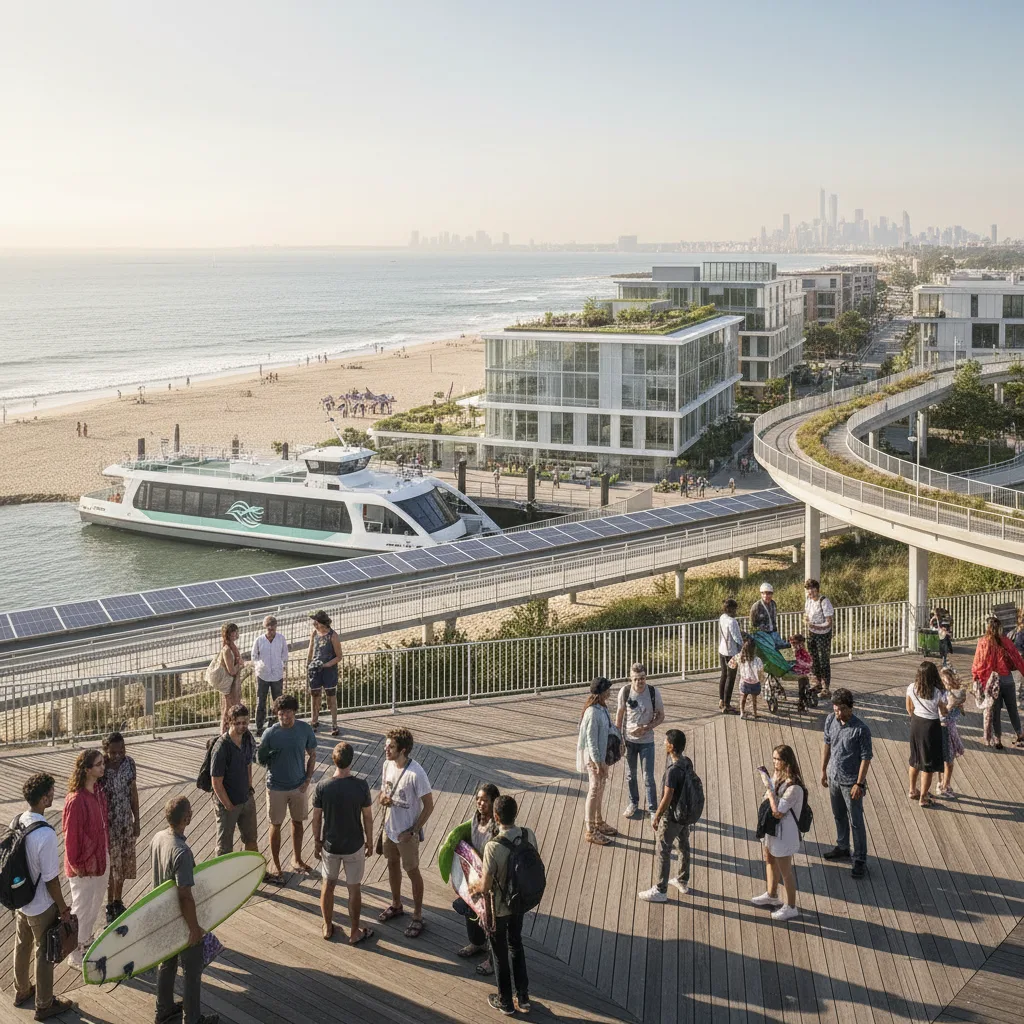
Your Essential Guide to the Rockaway Ocean Club in 2026
Discover what to expect at the Rockaway Ocean Club in 2026, a vibrant beachfront hub in Queens with dining, events, and community activities.
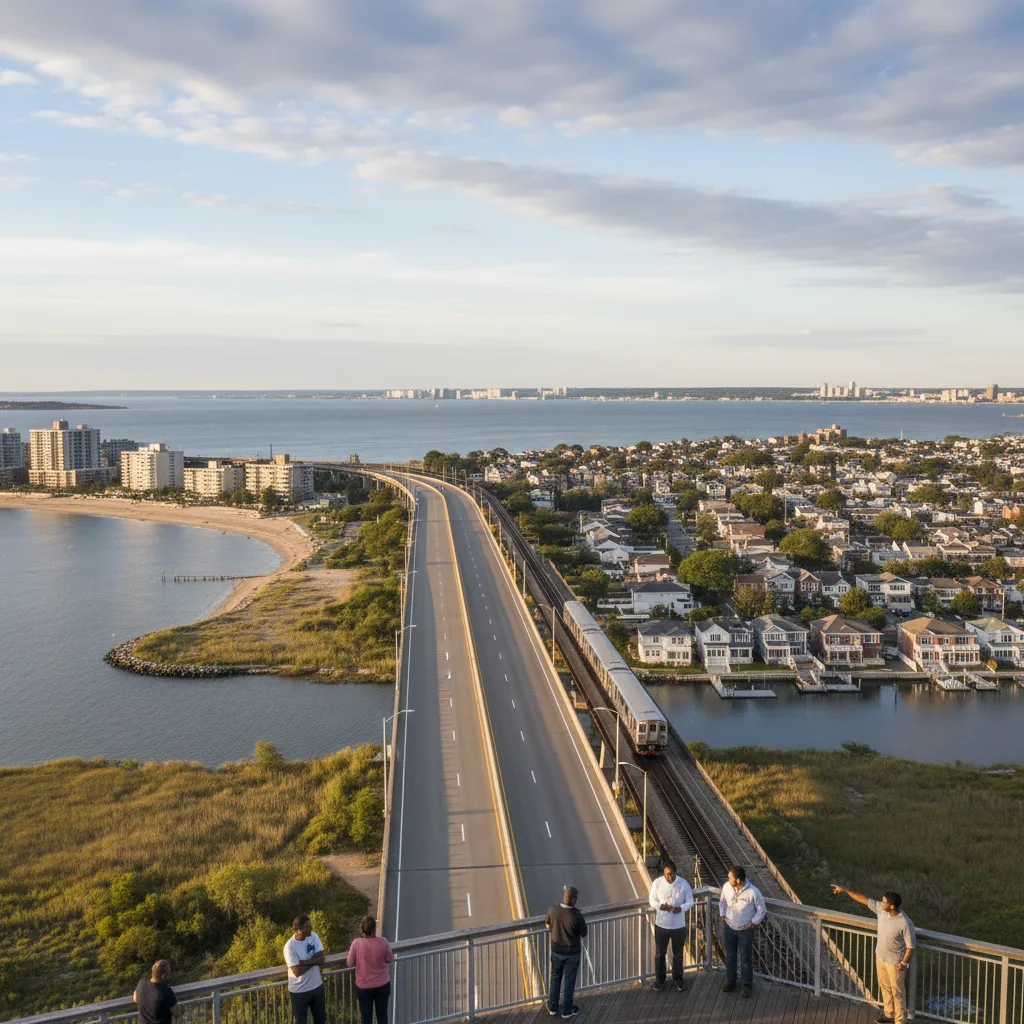
Is Howard Beach in Queens or Brooklyn? A Comprehensive Guide to This Unique NYC Neighborhood
Is Howard Beach in Queens or Brooklyn? Discover the definitive answer: Howard Beach is a vibrant Queens neighborhood with unique coastal charm.
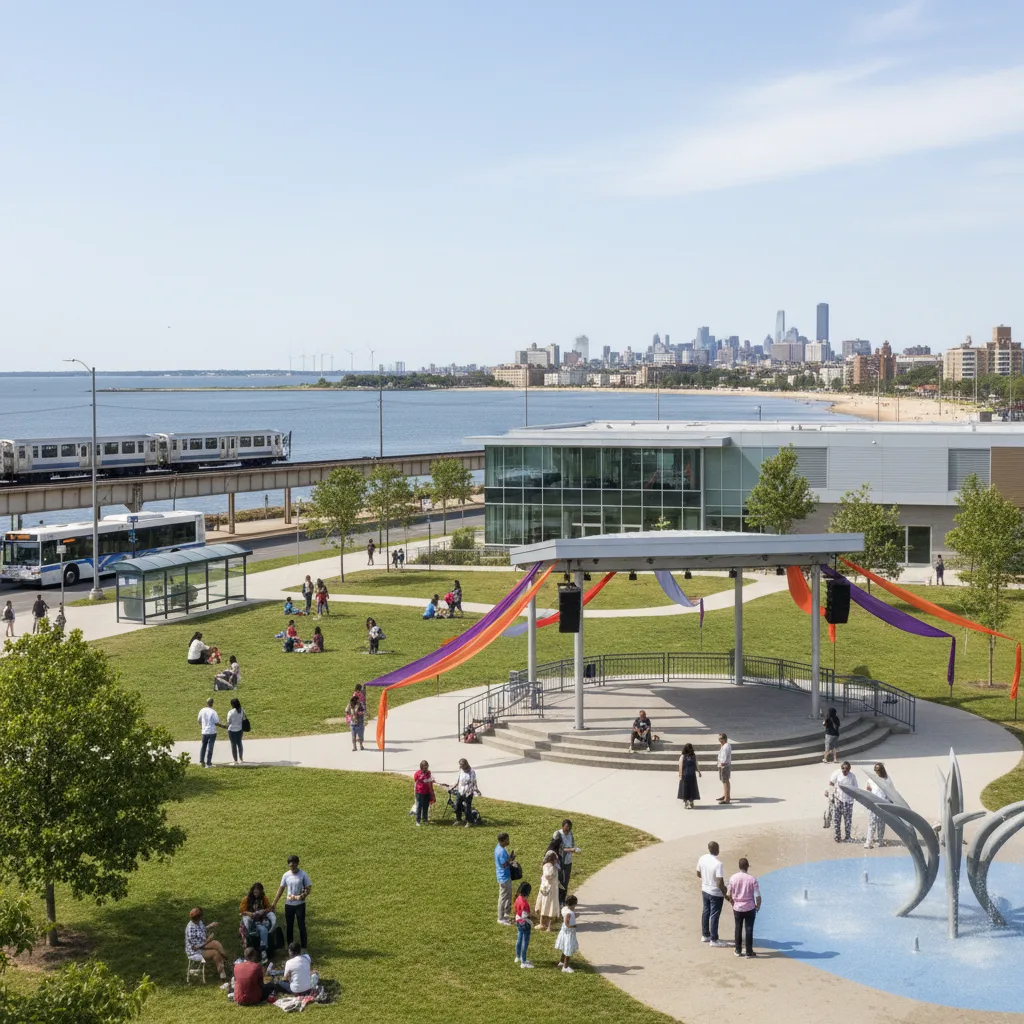
Your Essential Guide to Roy Wilkins Park Events in 2026
Discover the essential guide to Roy Wilkins Park events in 2026, featuring concerts, festivals, sports, and nature programs for South Queens residents.
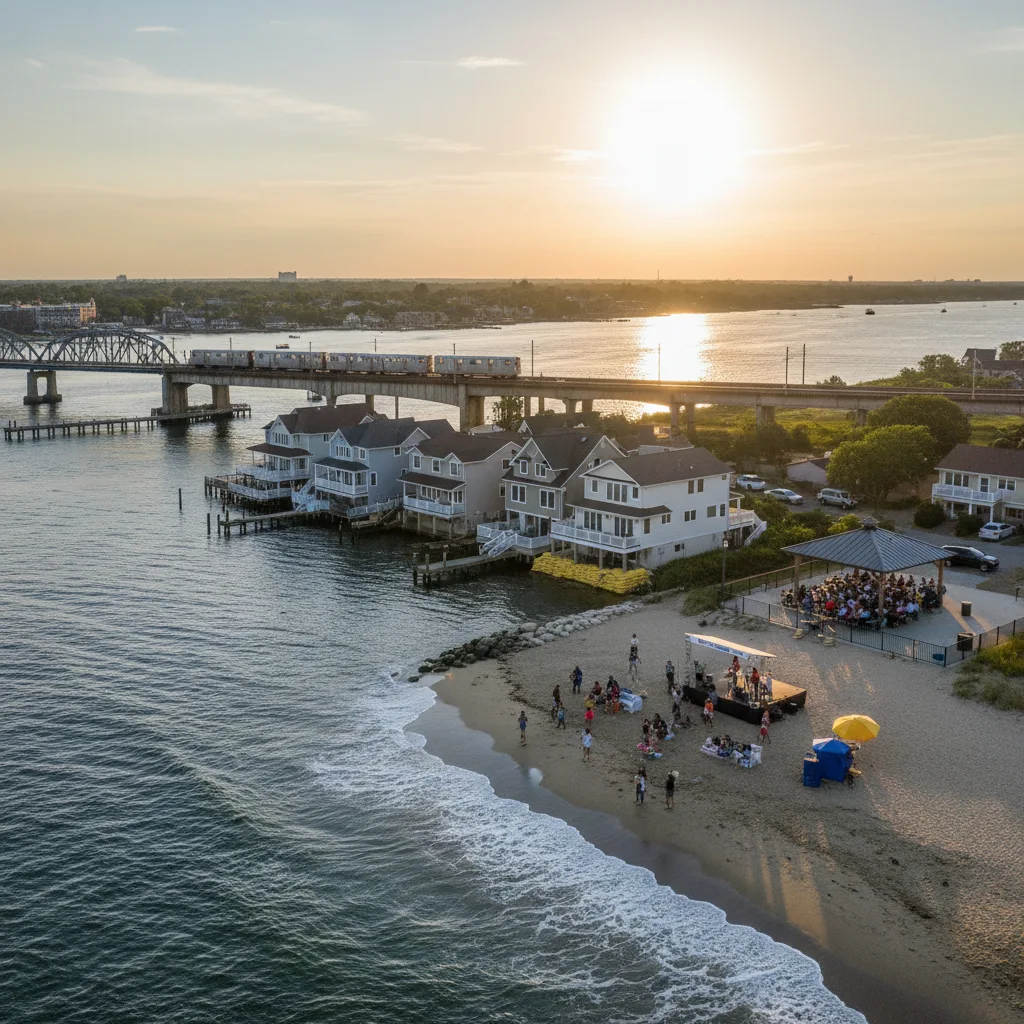
Is Howard Beach in Queens? An Essential Guide to This Vibrant NYC Neighborhood
Discover if Howard Beach is in Queens, NYC, and explore this vibrant neighborhood's unique geography, community, lifestyle, and local attractions.
Your Guide to Enjoying All Things Go Festival in 2026
Plan your 2026 All Things Go Festival experience from Queens with our comprehensive guide, covering tickets, travel, and what to expect.