


Cross Bay Boulevard Resilience Accelerates Amid Flood Risk

NEW YORK — Significant coastal resilience projects along Cross Bay Boulevard are rapidly advancing, driven by intensified efforts following the severe impact of recent storm surges in 2025. These initiatives aim to protect the vulnerable communities of Broad Channel and Howard Beach from future climate-related threats, according to city officials. Local residents have long advocated for stronger protections against the rising waters that frequently inundate low-lying areas.
City Prioritizes Infrastructure Upgrades
The New York City Department of Environmental Protection (NYCDEP) has formally announced the allocation of an additional $150 million towards these projects. This funding boost brings the total investment in the Cross Bay Boulevard corridor to over $400 million, a figure confirmed by Commissioner Rohit T. Aggarwala during a press briefing last Tuesday. The accelerated timeline reflects a growing urgency among city planners to shield coastal neighborhoods.
Several key infrastructure upgrades are underway, including the construction of new seawalls and the elevation of critical roadways. Engineers are also expanding natural wetlands to act as crucial buffers against storm surge, a strategy championed by environmental advocates for its ecological benefits. These measures are designed to withstand projections for more extreme weather events in the coming decades.
Community Input Shapes Project Design
Local input has played an instrumental role in shaping the final designs of the resilience projects. Community Board 10, representing residents in the affected areas, held numerous public forums to gather feedback and address specific concerns. Many residents emphasized the need for solutions that integrate with the existing character of their neighborhoods.
“Our community has lived with the threat of flooding for generations, but after 2025, the need for immediate action became undeniable,” stated Dolores Jefferson, a long-time Broad Channel resident and an active member of the local civic association, speaking with reporters last month. She confirmed that local voices ensured pedestrian access and ecological considerations were integrated into the plans.
Engineers presented revised plans incorporating elevated boardwalks and green infrastructure elements, such as bioswales, in response to these community demands. The revised designs aim for both protection and improved quality of life for residents. The design phase involved extensive consultation, ensuring the projects served local needs effectively.
Environmental Benefits and Ecosystem Restoration
Beyond flood protection, the resilience projects are expected to yield substantial environmental benefits for the Jamaica Bay ecosystem. Plans include restoring degraded salt marshes and planting thousands of native vegetation species. These efforts will enhance local biodiversity and create new habitats for aquatic life and migratory birds.
The NYC Parks Department, working in conjunction with NYCDEP, spearheads much of the ecological restoration. Their teams are carefully monitoring the health of the bay throughout the construction process. This integrated approach ensures that infrastructure development aligns with environmental preservation goals.
Economic Impact and Future Preparedness
The large-scale construction efforts have already created hundreds of local jobs, providing a significant economic boost to Queens. Local businesses are seeing increased activity from workers and contractors associated with the projects. The economic stimulus extends to supply chains and local services, injecting vitality into the regional economy.
Furthermore, improved infrastructure is expected to stabilize property values and attract new investment in the long term. Protected homes and businesses are more appealing to prospective buyers and entrepreneurs, fostering sustained growth. This forward-looking investment helps secure the economic future of these coastal communities.
Navigating Construction Challenges
Residents, while supportive of the long-term goals, are currently navigating temporary disruptions caused by ongoing construction. Detours and temporary road closures are common along parts of Cross Bay Boulevard, affecting daily commutes and local traffic patterns. City agencies are working to minimize inconveniences, providing regular updates on project progress.
The NYC Department of Transportation has implemented signage and established dedicated communication channels for residents to report issues. Project managers hold bi-weekly virtual town halls to keep the public informed and address questions directly. This transparency helps manage expectations during the extensive construction period.
FAQ: Coastal Resilience Along Cross Bay Boulevard
What are the primary goals of the coastal resilience projects on Cross Bay Boulevard?
The projects primarily aim to protect Broad Channel and Howard Beach from severe flooding and storm surges, particularly after the significant impacts experienced in 2025. They involve building new seawalls, elevating roadways, and restoring natural wetlands as protective buffers. The comprehensive effort seeks to enhance community safety and environmental stability.
How much funding has been allocated to these resilience efforts?
The New York City Department of Environmental Protection has committed over $400 million to these projects. This figure includes an additional $150 million recently allocated to accelerate the construction and implementation phases, underscoring the city's commitment to protecting its coastal communities.
How has the local community influenced the project designs?
Community Board 10 and local civic associations actively engaged in extensive public forums and consultations, directly impacting the project designs. Residents requested features like elevated boardwalks and green infrastructure, which were subsequently integrated into the plans. This ensures the projects meet both protective and community-specific needs.
What environmental benefits are expected from these projects?
Beyond flood control, the initiatives include significant ecosystem restoration efforts. These involve restoring degraded salt marshes and planting diverse native vegetation, which supports local biodiversity and creates new habitats for various species. These actions strengthen the Jamaica Bay ecosystem's health.
Written by
Newstrix
Cross Bay Current
Related Articles
More in Environment →Cross Bay Boulevard Residents Connect Bangkok Flooding to Local Concerns
Queens residents on Cross Bay Boulevard link Bangkok's flood disaster to their own local concerns about storm drains and neighborhood flood preparedness.
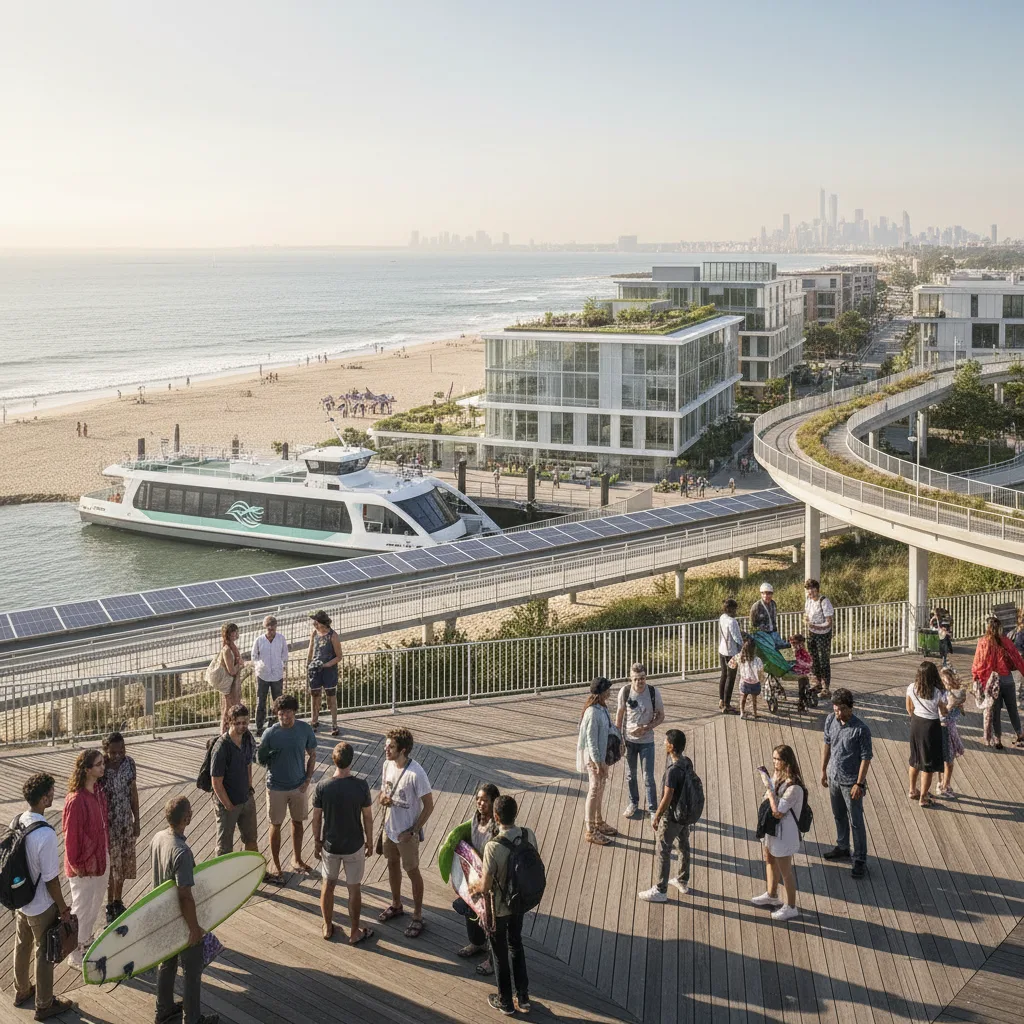
Your Essential Guide to the Rockaway Ocean Club in 2026
Discover what to expect at the Rockaway Ocean Club in 2026, a vibrant beachfront hub in Queens with dining, events, and community activities.
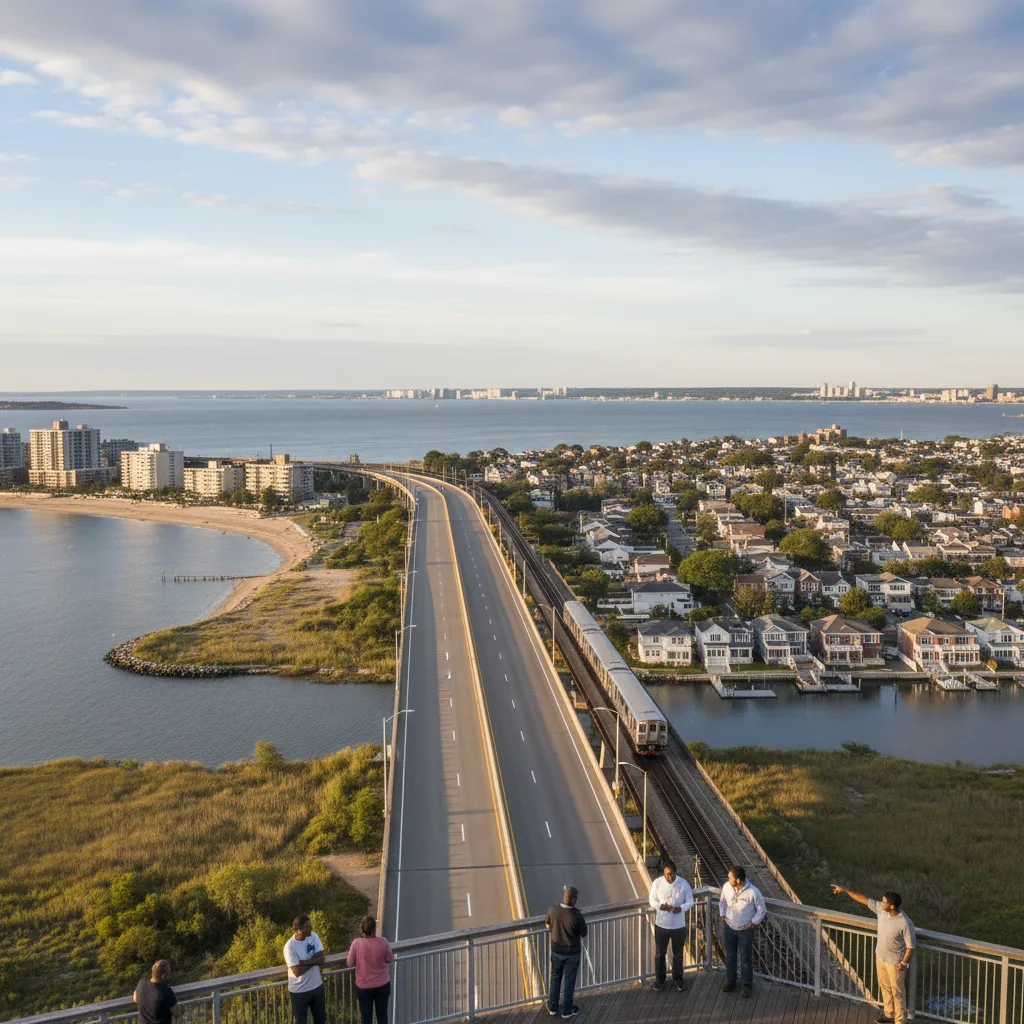
Is Howard Beach in Queens or Brooklyn? A Comprehensive Guide to This Unique NYC Neighborhood
Is Howard Beach in Queens or Brooklyn? Discover the definitive answer: Howard Beach is a vibrant Queens neighborhood with unique coastal charm.
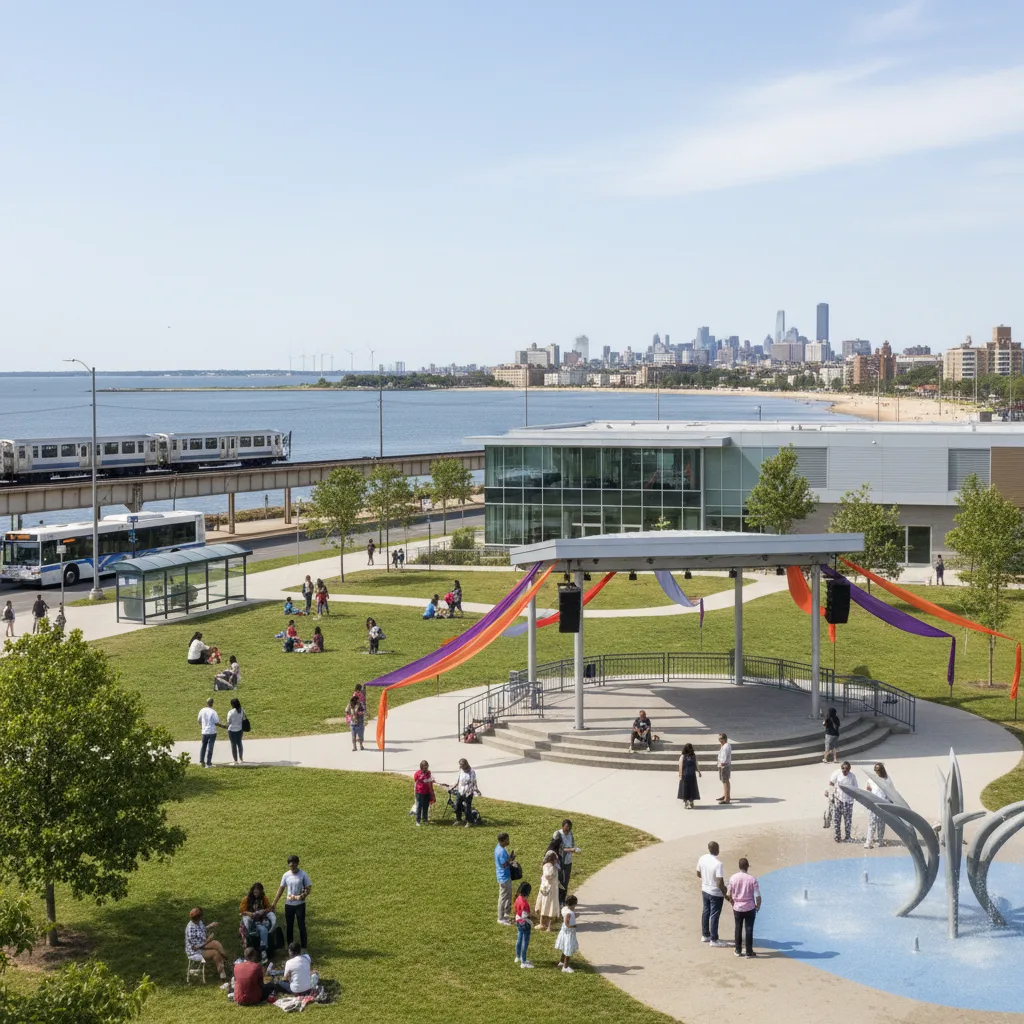
Your Essential Guide to Roy Wilkins Park Events in 2026
Discover the essential guide to Roy Wilkins Park events in 2026, featuring concerts, festivals, sports, and nature programs for South Queens residents.
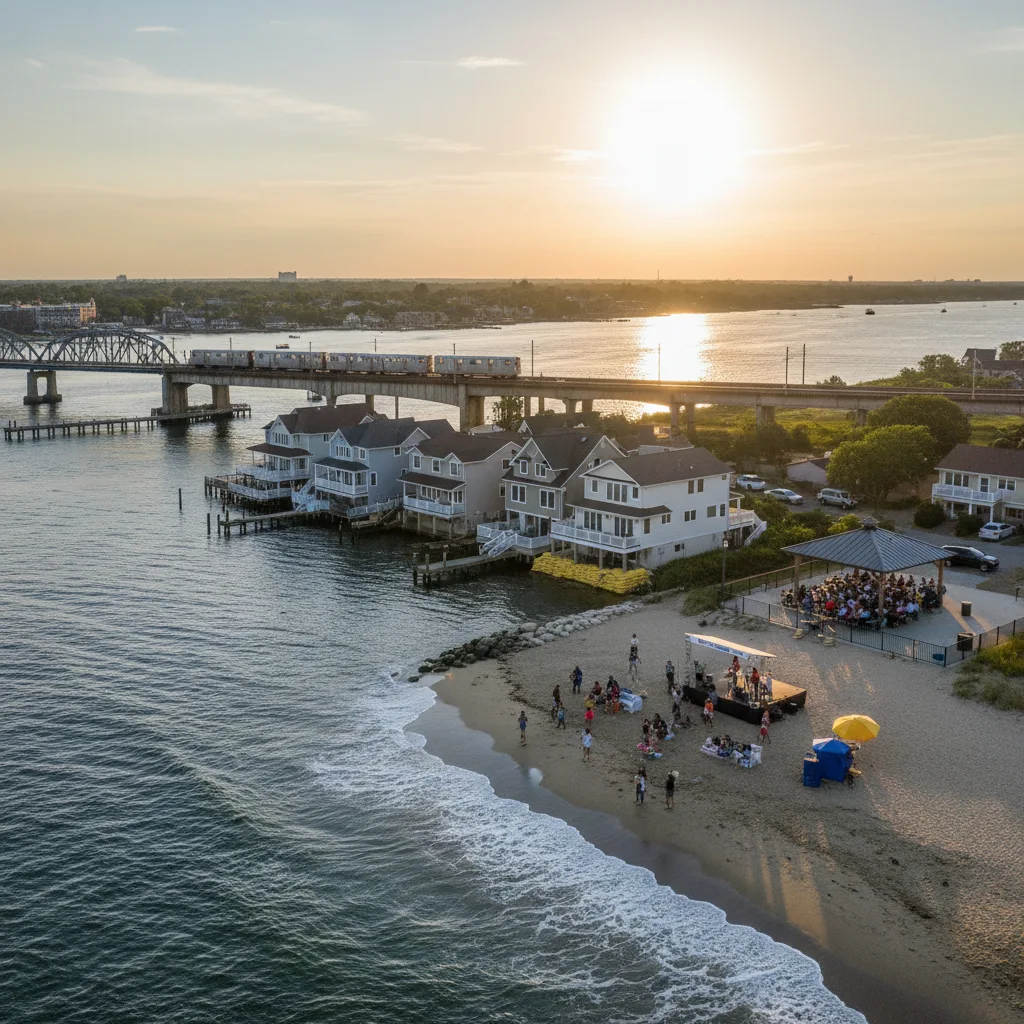
Is Howard Beach in Queens? An Essential Guide to This Vibrant NYC Neighborhood
Discover if Howard Beach is in Queens, NYC, and explore this vibrant neighborhood's unique geography, community, lifestyle, and local attractions.
Your Guide to Enjoying All Things Go Festival in 2026
Plan your 2026 All Things Go Festival experience from Queens with our comprehensive guide, covering tickets, travel, and what to expect.