


Cross Bay Boulevard Resilience Project Funding Secured for 2026
NEW YORK — Communities along Cross Bay Boulevard are witnessing a significant acceleration of coastal resilience projects, following the severe and escalating impacts of climate change on Queens’ vulnerable shoreline.
The city has secured crucial funding for these initiatives, aimed at protecting residents of Howard Beach and Broad Channel from future storm surges and sea-level rise. Officials from the NYC Department of Environmental Protection (DEP) confirmed the allocation, emphasizing the urgency of these infrastructure upgrades.
Major Infrastructure Investments Announced
NYC Council Member Joann Ariola, representing District 32 which encompasses parts of Cross Bay Boulevard, announced an additional $75 million in city and federal funding for the comprehensive resilience plan. This influx of capital will facilitate the next phase of construction, scheduled to commence in early 2026.
The projects include the reinforcement of seawalls, restoration of salt marshes within Jamaica Bay, and the elevation of critical roadways. Maria Gonzalez, a DEP spokesperson, confirmed that detailed engineering plans for the Broad Channel section of Cross Bay Boulevard are now in their final review stages.
Residents have long advocated for these protective measures, especially after Hurricane Sandy’s devastating impact in 2012. The new funding ensures a more robust defense system against increasingly powerful weather events predicted for the coming decades.
Enhancing Flood Protection for Broad Channel
Broad Channel, a unique island community directly in the path of Jamaica Bay, stands to benefit immensely from the enhanced flood protection. The current phase focuses on strengthening the existing bulkhead along the western side of the island.
Engineers from the Army Corps of Engineers, in partnership with DEP, are designing a multi-layered defense system. This system incorporates both hard infrastructure, such as concrete barriers, and natural solutions, including oyster reefs and planted wetlands.
These natural buffers are designed to dissipate wave energy and absorb excess water during high tides and storm events. Construction is expected to proceed in stages to minimize disruption to residents and local businesses along Cross Bay Boulevard, particularly near the major thoroughfare’s main commercial strip.
Jamaica Bay Ecosystem Restoration
A significant component of the resilience efforts involves the ecological restoration of Jamaica Bay. This includes expanding and enhancing wetland areas which act as natural sponges, absorbing floodwaters and protecting inland communities.
The Jamaica Bay Wildlife Refuge, a critical bird sanctuary and environmental asset, will see extensive marsh island restoration work beginning in spring 2026. This ecological engineering not only bolsters flood defenses but also improves local biodiversity and water quality.
Environmental scientists from the National Park Service stated that healthy marsh ecosystems are vital for the bay’s overall health and the well-being of the surrounding communities. Funding also supports monitoring programs to track the effectiveness of these green infrastructure solutions.
Community Engagement and Future Planning
The DEP has committed to ongoing community engagement throughout the project’s duration. Public workshops and informational sessions are planned for residents of Howard Beach, Broad Channel, and other affected areas along Cross Bay Boulevard starting in late 2025.
These forums will provide opportunities for residents to voice concerns, offer feedback, and stay informed about construction timelines and potential traffic impacts. Local civic associations, such as the Broad Channel Civic Association, will play a central role in disseminating information.
“Our residents deserve to be part of every step in this critical process,” Council Member Ariola stated during a recent press conference near the Addabbo Bridge. “We’re not just building walls; we’re building trust and a safer future for our coastal communities.” The long-term vision extends beyond 2026, with plans for additional phases reaching into the next decade.
Local Impact and Economic Considerations
The construction phases are projected to create over 300 temporary jobs, offering employment opportunities for skilled laborers and tradespeople within Queens. Local businesses along Cross Bay Boulevard, from Rockaway Boulevard south to the Rockaways, may experience some temporary access changes but are expected to benefit from the long-term protection.
The DEP is working with the NYC Department of Small Business Services to mitigate potential negative impacts on commerce. This includes providing grants for businesses affected by construction-related disruptions and promoting local patronage during these periods.
Residents are encouraged to monitor official city websites for updates and specific project details. Information can be found on the Cross Bay Current website and through local civic groups. These projects are a cornerstone of the city’s broader climate adaptation strategy, aiming to secure the future of coastal Queens.
Frequently Asked Questions About Coastal Resilience Projects
Residents often ask about the timeline for these extensive projects. Construction is set to begin in early 2026, with initial phases focusing on the most vulnerable sections of Broad Channel. The entire scope of work, including marsh restoration, is anticipated to extend over several years, with significant milestones expected by late 2027. Another common query revolves around the types of materials being used. The plans incorporate a blend of traditional materials like concrete and steel for structural integrity, alongside sustainable, natural solutions such as biodegradable marsh-building materials and native plant species. Concerns about traffic during construction are also prevalent. The city aims to minimize traffic disruptions on Cross Bay Boulevard through careful scheduling, often performing work during off-peak hours or utilizing temporary detours, which will be clearly communicated in advance. What specific areas will see the most immediate impact? The areas directly adjacent to the Jamaica Bay shoreline in Broad Channel and sections of Howard Beach are prioritized for the initial phases of flood protection. How can residents get involved or stay informed? The DEP will hold regular public meetings, and residents can sign up for email updates through the agency’s website or contact their local civic associations for the latest information. Information regarding other infrastructure projects, such as potential road repairs, can be found by searching for Broad Channel repaving complaints to understand local infrastructure concerns.
Written by
Newstrix
Cross Bay Current
Related Articles
More in Environment →Cross Bay Boulevard Residents Connect Bangkok Flooding to Local Concerns
Queens residents on Cross Bay Boulevard link Bangkok's flood disaster to their own local concerns about storm drains and neighborhood flood preparedness.
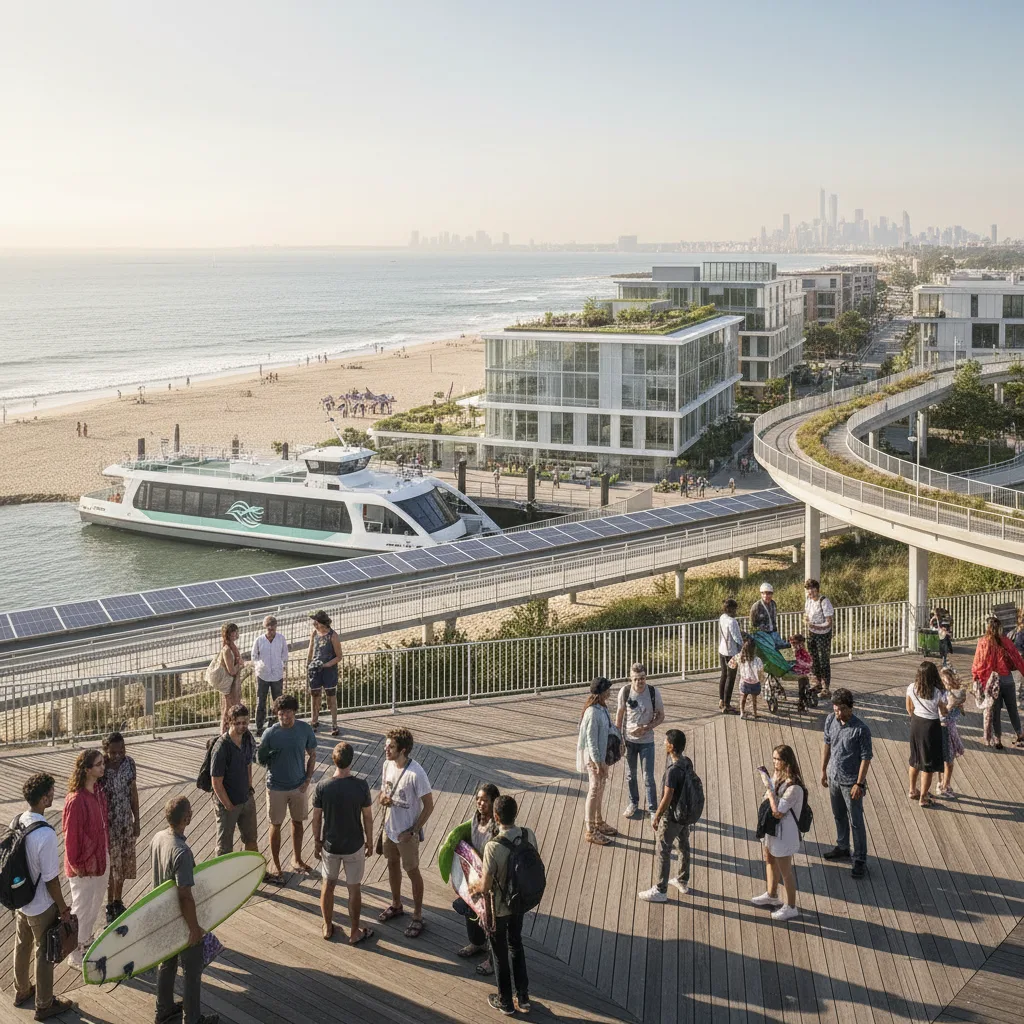
Your Essential Guide to the Rockaway Ocean Club in 2026
Discover what to expect at the Rockaway Ocean Club in 2026, a vibrant beachfront hub in Queens with dining, events, and community activities.
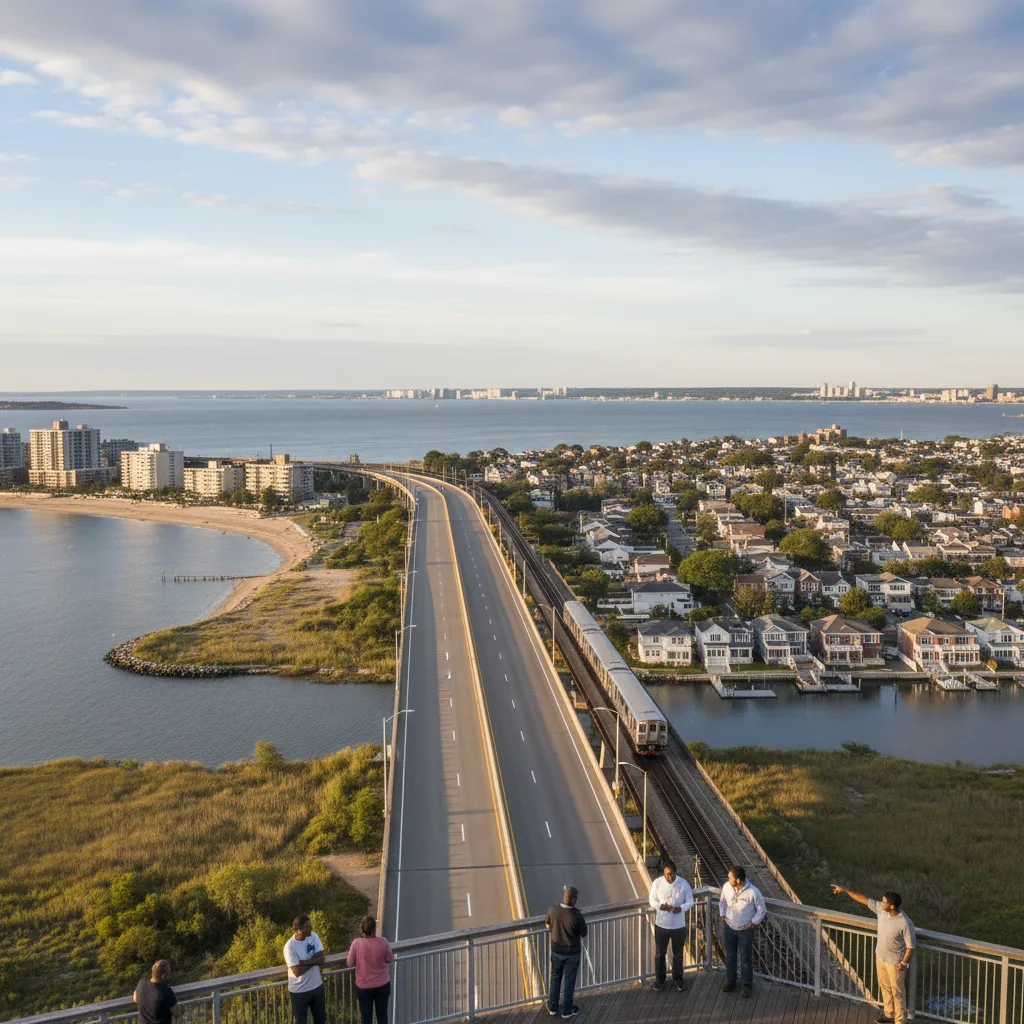
Is Howard Beach in Queens or Brooklyn? A Comprehensive Guide to This Unique NYC Neighborhood
Is Howard Beach in Queens or Brooklyn? Discover the definitive answer: Howard Beach is a vibrant Queens neighborhood with unique coastal charm.
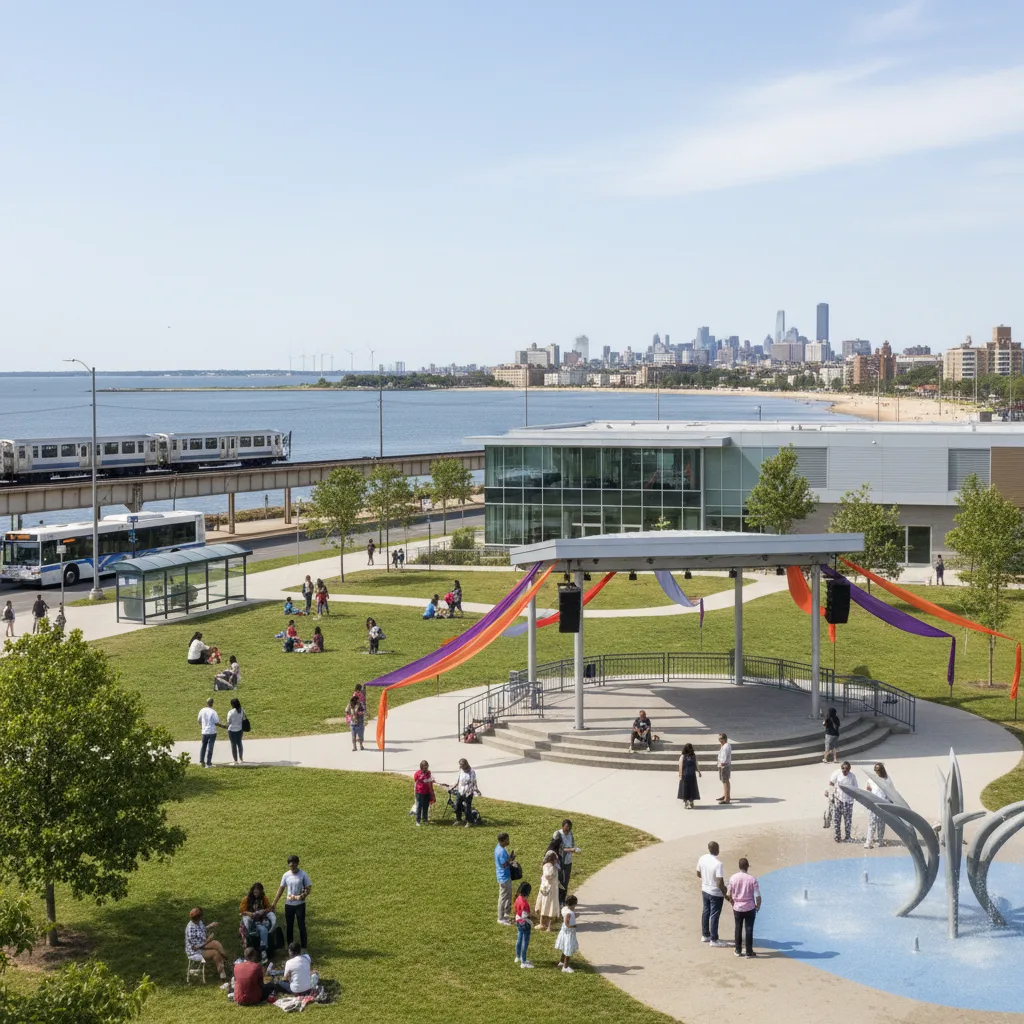
Your Essential Guide to Roy Wilkins Park Events in 2026
Discover the essential guide to Roy Wilkins Park events in 2026, featuring concerts, festivals, sports, and nature programs for South Queens residents.
Is Howard Beach in Queens? An Essential Guide to This Vibrant NYC Neighborhood
Discover if Howard Beach is in Queens, NYC, and explore this vibrant neighborhood's unique geography, community, lifestyle, and local attractions.
Your Guide to Enjoying All Things Go Festival in 2026
Plan your 2026 All Things Go Festival experience from Queens with our comprehensive guide, covering tickets, travel, and what to expect.