


Cross Bay Residents Reassess Climate Resilience After US Tornado, Wildfires

NEW YORK — "Oklahoma's twister is our hurricane warning—board up the seawall now," declared a seasoned fisherman from Rockaway, echoing a growing sentiment among residents along Cross Bay Boulevard. The recent devastating tornado in Oklahoma and scorching wildfires in Georgia have prompted communities from Broad Channel to Howard Beach to urgently re-evaluate their climate resilience strategies.
The widespread destruction across the United States has served as a stark reminder of the escalating risks posed by extreme weather events. For these low-lying Queens neighborhoods, still bearing the scars of past storms like Superstorm Sandy, the need for proactive preparedness and robust infrastructure is paramount.
Learning from Distant Disasters
News coverage of the massive tornado that ripped through Oklahoma, causing widespread destruction, has been a staple on televisions in bodegas and homes along Cross Bay Boulevard. The images of flattened structures and displaced families resonate deeply with those who experienced the devastation of Superstorm Sandy in 2012. Many residents understand that coastal Queens faces its own unique, but equally severe, climate threats.
Similarly, reports of wildfires scorching over 35,000 acres in Georgia, forcing evacuations and impacting air quality, highlight another dimension of climate vulnerability. While not directly threatened by wildfires, the broader discussion about climate change and extreme weather reinforces the need for comprehensive environmental planning in New York City. Scientists from the National Oceanic and Atmospheric Administration (NOAA) predict a 15% increase in severe weather events for the Northeast region over the next decade.
Local Preparedness Initiatives Gaining Traction
In response to these national headlines, local officials and community groups along Cross Bay Boulevard are pushing for renewed focus on resilience planning. Council Member Joann Ariola's office has initiated a series of workshops on home flood preparedness for residents in Broad Channel and Hamilton Beach. These sessions provide practical advice on elevating utilities, installing backflow preventers, and securing property against storm surges. The first workshop, held last week at the Broad Channel Library, saw over 70 attendees, a 25% increase from previous years.
"We can't prevent hurricanes, but we can minimize their impact on our homes and our lives," Ariola stated in a press release following the workshop. She emphasized the availability of city and state grants for homeowners looking to implement resilience measures. Stay informed on global and local weather events with Euronews' latest bulletins.
The Role of Local Emergency Services
Firefighters from Engine 4, serving the Broad Channel and Howard Beach areas, are proactively adjusting shift schedules and conducting additional training drills to prepare for potential severe weather scenarios. Captain John Davies of Engine 4 confirmed that his teams are reviewing evacuation routes, water rescue protocols, and coordinating with other emergency services, including the NYPD's Harbor Unit. "Our job is to be ready for anything, from a house fire to a major coastal event," Davies told reporters during a drill simulation near the Addabbo Bridge approach on Cross Bay Boulevard. The department recently acquired two new high-water rescue vehicles, increasing their flood response capacity by 50%.
Soccer moms at local playgrounds are organizing climate petitions, advocating for larger city-wide investments in green infrastructure, including permeable pavements and expanded wetland protections. These efforts reflect a grassroots movement to ensure that future generations in coastal Queens are better protected against the impacts of a changing climate. The collective anxiety is fueling significant public engagement.
Reassessing Community Infrastructure and Zoning
The broader implications of these national disasters are also prompting discussions about long-term zoning and infrastructure planning along Cross Bay Boulevard. Urban planners are revisiting proposals for elevating roadways, reinforcing bulkheads, and potentially expanding natural buffers like marshlands, particularly in vulnerable areas of Broad Channel. These discussions aim to create a more sustainable and storm-resilient environment for the hundreds of thousands of residents who call this area home.
The urgency felt by Cross Bay residents in the wake of distant disasters underscores the interconnectedness of climate risks. While Oklahoma's tornado and Georgia's wildfires are geographically distant, their messages about preparedness and resilience are hitting very close to home for those living along the water's edge in Queens, driving a renewed commitment to safeguarding their future. The sense of collective responsibility is a powerful force for change here.
Frequently Asked Questions About Climate Resilience
How have recent US disasters impacted Cross Bay Boulevard residents' concerns?
The devastating tornado in Oklahoma and wildfires in Georgia have served as stark reminders for Cross Bay Boulevard residents of their own vulnerability to extreme weather. Experiences from Superstorm Sandy mean that communities like Broad Channel and Howard Beach are urgently re-evaluating climate resilience and demanding proactive preparedness measures.
What local initiatives are being implemented for climate preparedness?
Council Member Joann Ariola's office has launched workshops on home flood preparedness in Broad Channel and Hamilton Beach, covering topics like elevating utilities and securing properties. The first workshop saw a 25% increase in attendance. Firefighters from Engine 4 are also increasing training drills and reviewing protocols for severe weather scenarios along Cross Bay Boulevard.
What role are emergency services playing in this reassessment?
Engine 4 firefighters are adjusting shift schedules, conducting additional training drills for severe weather, and coordinating with other emergency services. Captain John Davies confirmed their readiness for various scenarios, including coastal events, and noted the acquisition of new high-water rescue vehicles, enhancing their capacity for flood response by 50% for Cross Bay Boulevard.
What are the long-term infrastructure and zoning considerations?
Urban planners are revisiting proposals for elevating roadways, reinforcing bulkheads, and expanding natural buffers like marshlands, particularly in vulnerable Broad Channel areas. These discussions aim to create a more sustainable and storm-resilient environment for the hundreds of thousands of residents along Cross Bay Boulevard, reflecting a long-term commitment to safeguarding against climate impacts.
Written by
Newstrix
Cross Bay Current
Related Articles
More in Environment →
Cross Bay Boulevard Residents Connect Bangkok Flooding to Local Concerns
Queens residents on Cross Bay Boulevard link Bangkok's flood disaster to their own local concerns about storm drains and neighborhood flood preparedness.
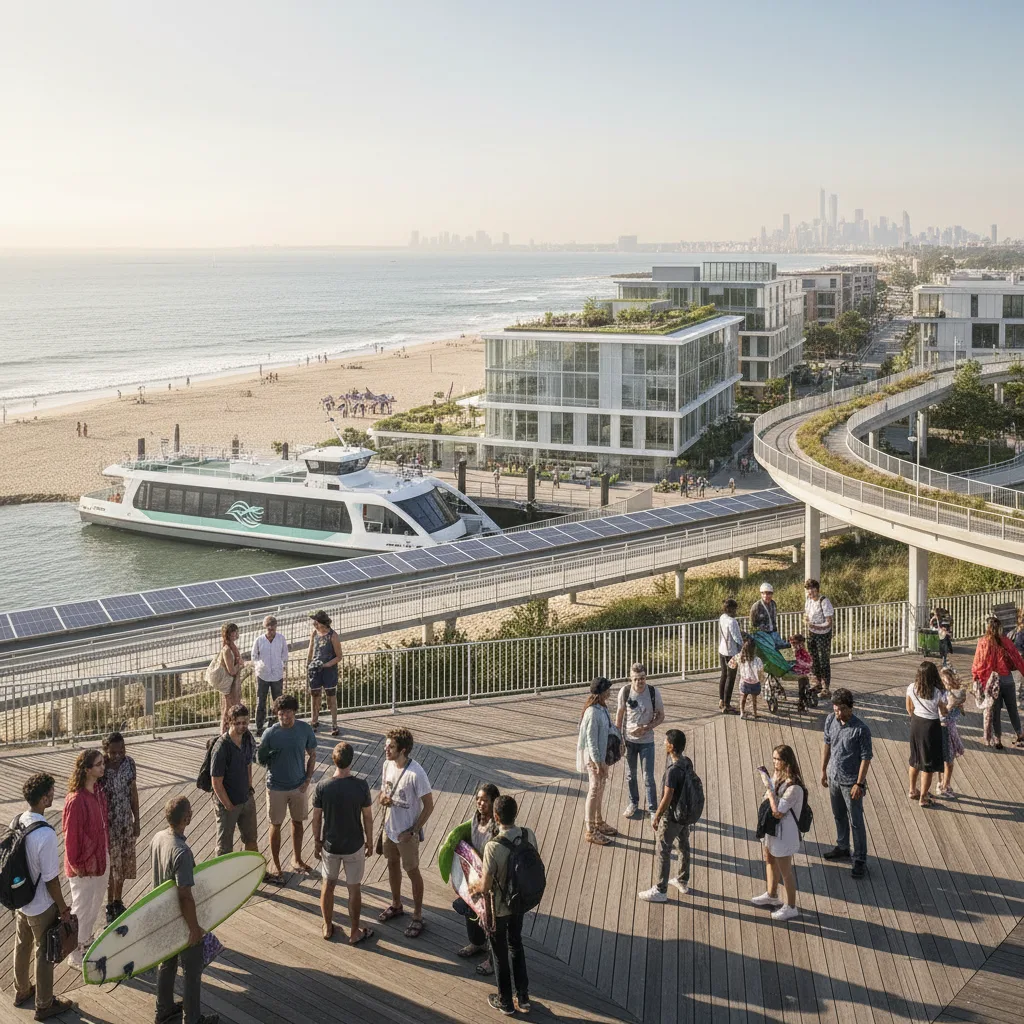
Your Essential Guide to the Rockaway Ocean Club in 2026
Discover what to expect at the Rockaway Ocean Club in 2026, a vibrant beachfront hub in Queens with dining, events, and community activities.
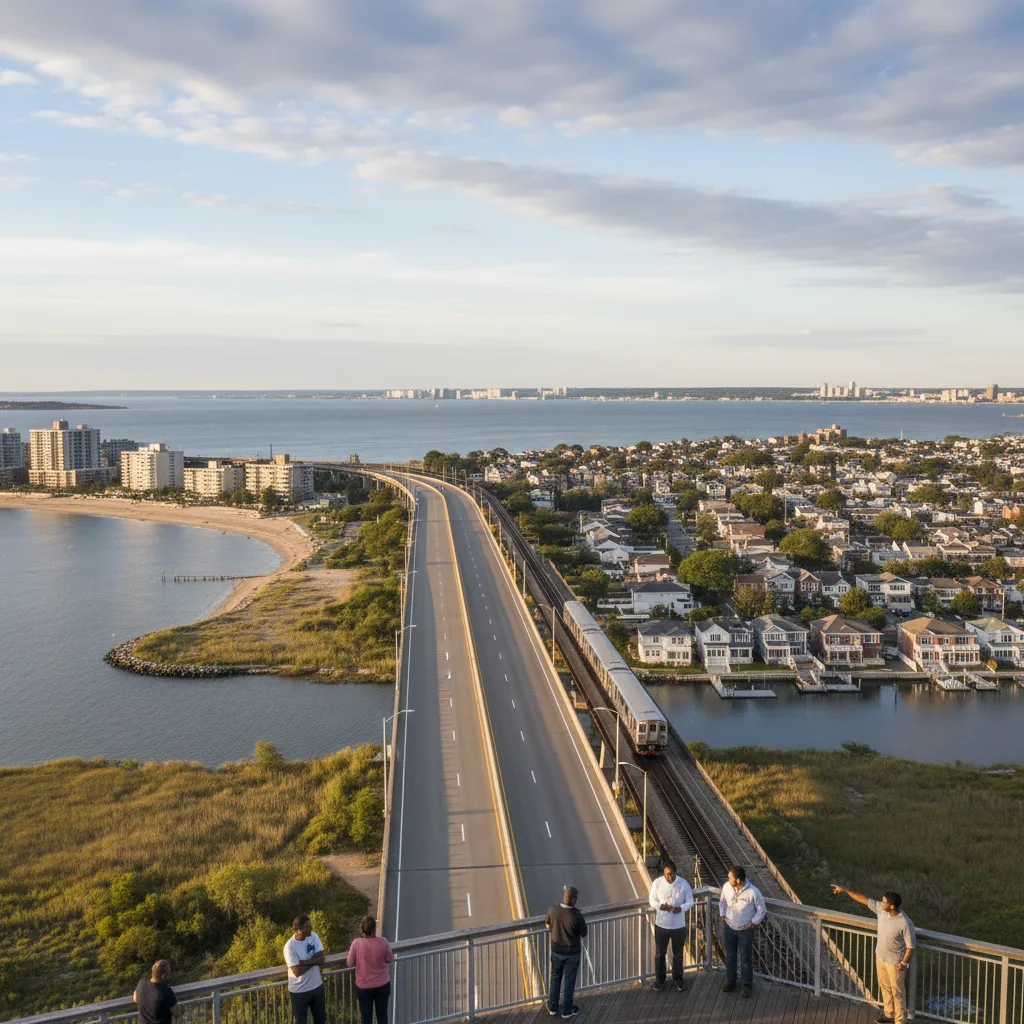
Is Howard Beach in Queens or Brooklyn? A Comprehensive Guide to This Unique NYC Neighborhood
Is Howard Beach in Queens or Brooklyn? Discover the definitive answer: Howard Beach is a vibrant Queens neighborhood with unique coastal charm.
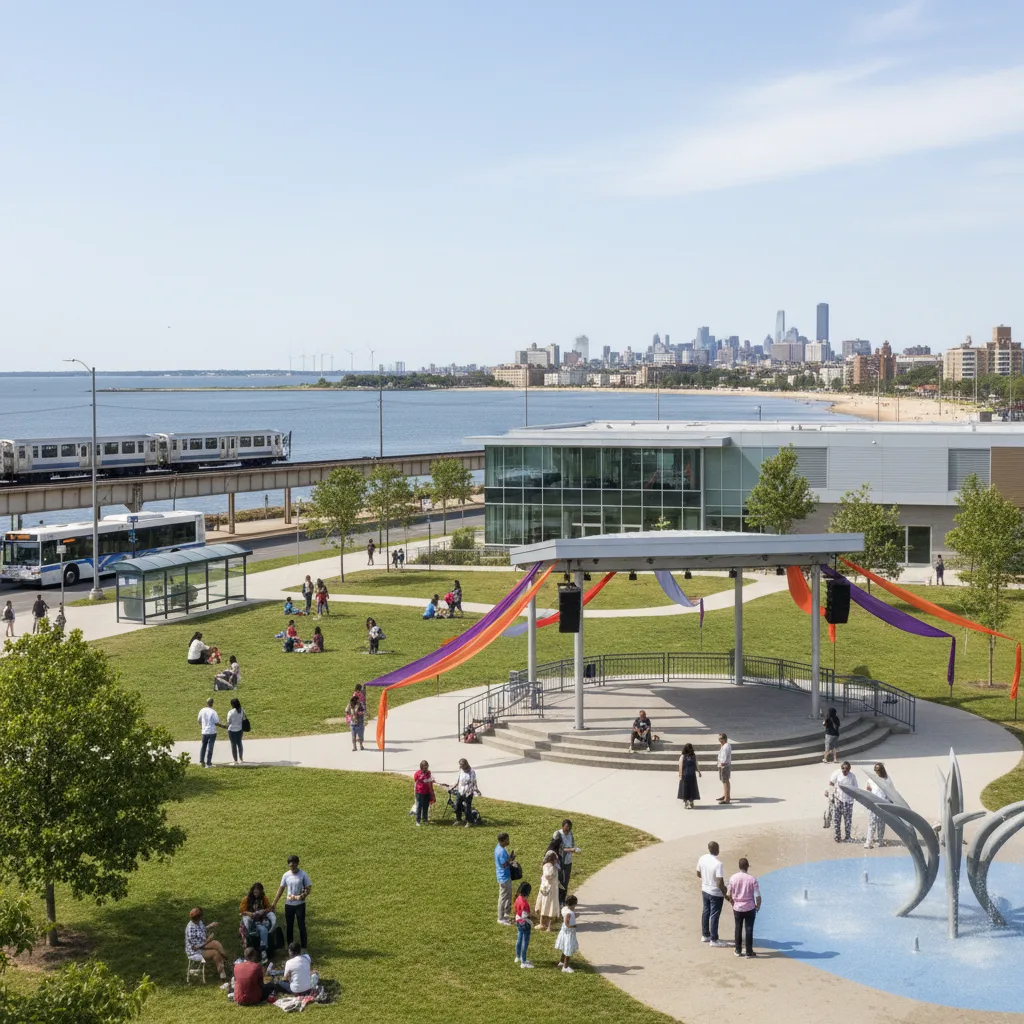
Your Essential Guide to Roy Wilkins Park Events in 2026
Discover the essential guide to Roy Wilkins Park events in 2026, featuring concerts, festivals, sports, and nature programs for South Queens residents.
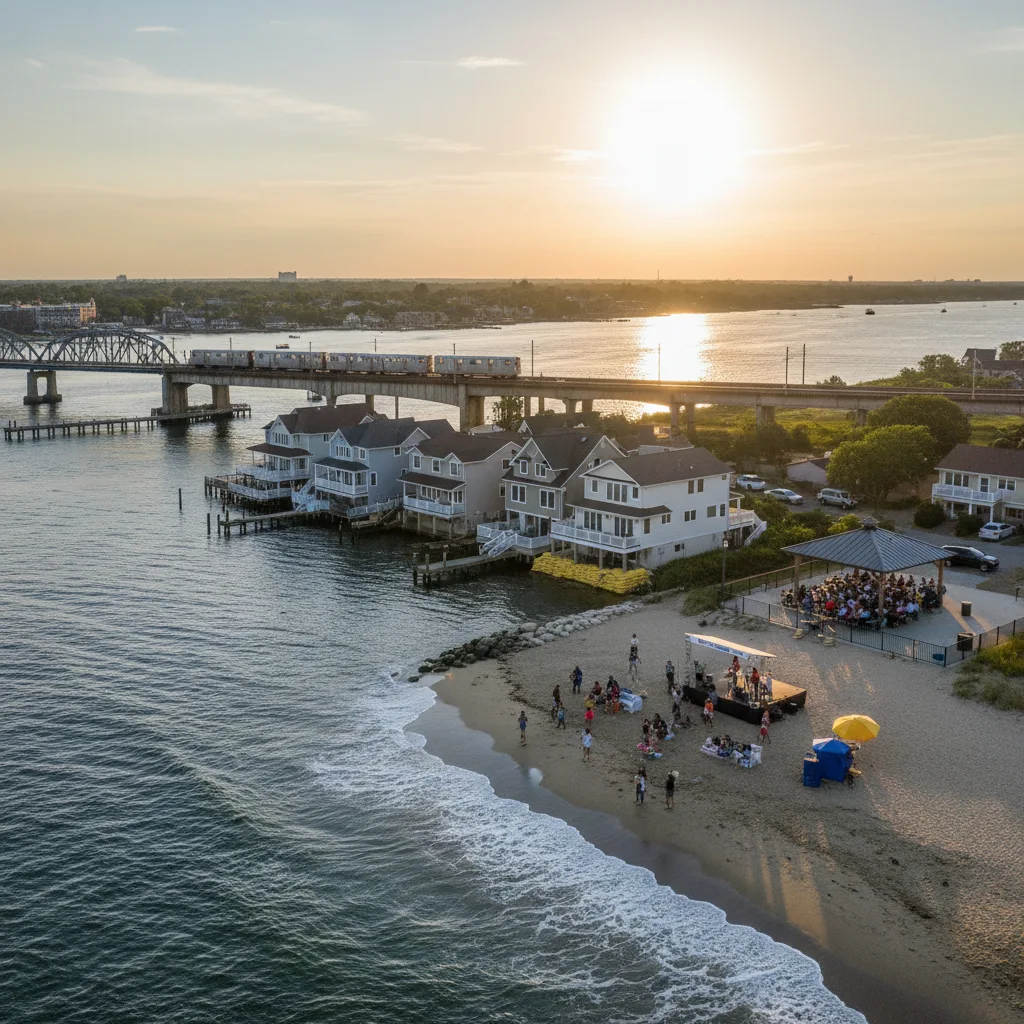
Is Howard Beach in Queens? An Essential Guide to This Vibrant NYC Neighborhood
Discover if Howard Beach is in Queens, NYC, and explore this vibrant neighborhood's unique geography, community, lifestyle, and local attractions.
Your Guide to Enjoying All Things Go Festival in 2026
Plan your 2026 All Things Go Festival experience from Queens with our comprehensive guide, covering tickets, travel, and what to expect.