


G7 Resists Trump's Call for Strait of Hormuz Troop Deployment

QUEENS, NY — G7 foreign ministers rejected U.S. President Trump's proposal to deploy troops to secure the Strait of Hormuz, fearing an escalation into war with Iran. This international decision, announced in late March 2026, has ignited heated discussions among Cross Bay Boulevard locals in Queens, particularly concerning potential impacts on gas prices and regional stability.
The G7 nations agreed to assist only after hostilities conclude, while condemning Iran's actions affecting global energy exports. This stance highlights significant international divisions over escalating Middle East tensions. The conflict's ripple effects are felt even in local communities like those in Queens, where global politics often translate into daily economic realities.
Gas Price Spikes at Mobil Station
Residents along Cross Bay Boulevard, many with Middle Eastern roots, are acutely aware of how Middle East tensions affect their daily lives. The G7's decision and the ongoing Strait of Hormuz crisis immediately translated into heated discussions about gas price spikes at the local Mobil station. Many drivers expressed frustration and financial concern.
"Gas prices are already too high," exclaimed Mohammad Khan, filling his tank. "Now this? It's hitting our pockets hard." Both Iran and President Trump received blame from various individuals, reflecting diverse political views and concerns about economic stability. These conversations highlight the direct link between global conflicts and local household budgets.
Floyd Bennett Field Concerns Over Oil Shortages
Families at the Floyd Bennett Field community center, a popular gathering spot, voiced concerns over potential oil shortages impacting delivery jobs and local transportation costs. Many residents in the area work in sectors heavily reliant on fuel, such as delivery services and logistics. The prospect of further price hikes or supply chain disruptions is a significant worry for their livelihoods.
Community members discussed the need for alternative energy sources and less reliance on volatile international oil markets. Some residents began organizing a small vigil for peace, advocating for diplomatic solutions over military interventions. Others argued that U.S. strength is needed to secure global shipping routes, reflecting varied perspectives on international policy.
Diplomatic Stalemate and Economic Consequences
President Trump's push for a military response in the Strait of Hormuz was met with a clear rejection from G7 allies, who prioritized de-escalation. The G7 ministers expressed a desire to avoid an all-out war with Iran, which has repeatedly threatened to close the vital shipping lane. Such a closure could devastate global oil supplies and impact economies worldwide.
This diplomatic stalemate has significant economic consequences, directly influencing the price of oil futures and, subsequently, gas prices at local pumps. The uncertainty surrounding the Strait of Hormuz, through which a significant portion of the world's oil supply passes, continues to drive market volatility. This global news story was part of a larger report on G7 Resists Trump's Call to Send Troops to Strait of Hormuz.
Cross Bay Boulevard Stoop Talks on U.S. Strength
Friday night stoop talks along Cross Bay Boulevard often feature lively discussions, and the G7's decision was no exception. While some residents advocated for a strong U.S. military presence to deter aggression, others emphasized the importance of diplomacy and avoiding another costly conflict. The debate highlighted a generational divide in foreign policy views.
Older residents, many of whom remember past military engagements, often cautioned against intervention, while some younger residents felt that global leadership required a more assertive stance. These informal gatherings serve as crucial forums for community members to process complex international events and their potential local impacts.
Future of Global Energy Exports
The ongoing tensions in the Strait of Hormuz underscore the fragility of global energy markets and the interconnectedness of international politics with local economies. Experts warn that prolonged instability could lead to sustained higher energy costs, affecting everything from manufacturing to daily commutes. Diversifying energy sources and reducing reliance on Middle Eastern oil is becoming a more urgent discussion.
For Queens residents, this means continuing to monitor gas prices and potentially adjusting household budgets to account for fluctuating energy costs. The long-term implications for global energy security remain a critical concern for both policymakers and everyday citizens alike, influencing everything from job stability to leisure activities.
Frequently Asked Questions About Hormuz Tensions and Gas Prices
Many residents frequently ask about why events in the Middle East so heavily influence local gas prices; the Strait of Hormuz is a chokepoint for a significant portion of the world's oil supply, meaning disruptions there can directly impact global supply and demand, leading to price fluctuations. Another common question is about how individual citizens can respond to rising gas prices; strategies include carpooling, using public transportation more, and seeking fuel-efficient vehicles. People also often inquire about the U.S. energy independence; while the U.S. has increased domestic oil production, global market prices still impact domestic fuel costs due to the interconnected nature of the oil industry. The community discussions underscore the pervasive impact of global events on local finances.
Written by
Newstrix
Cross Bay Current
Related Articles
More in National & World →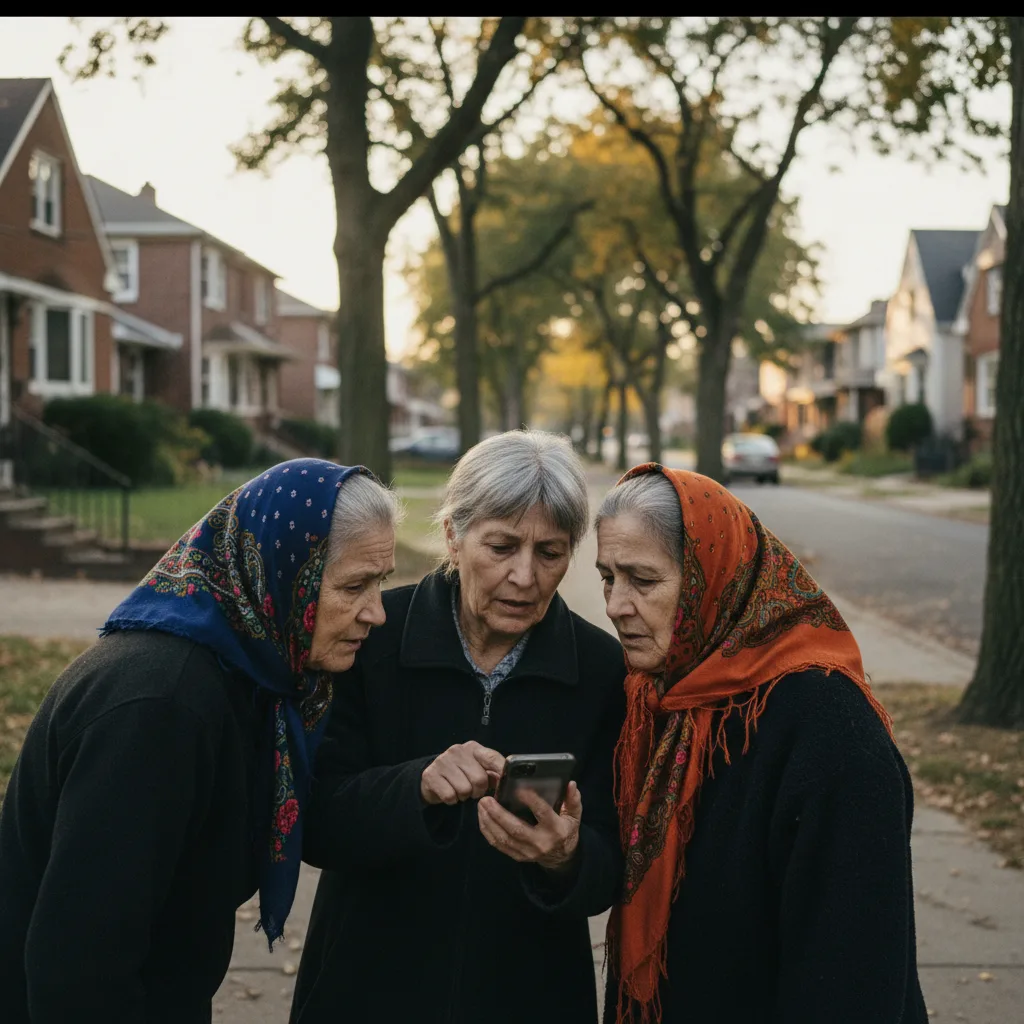
Cross Bay Boulevard Residents React to Ukraine War Strikes in Kyiv
Cross Bay Boulevard residents express deep concern and sympathy following Russian strikes in Kyiv and Odesa that injured 13 people.
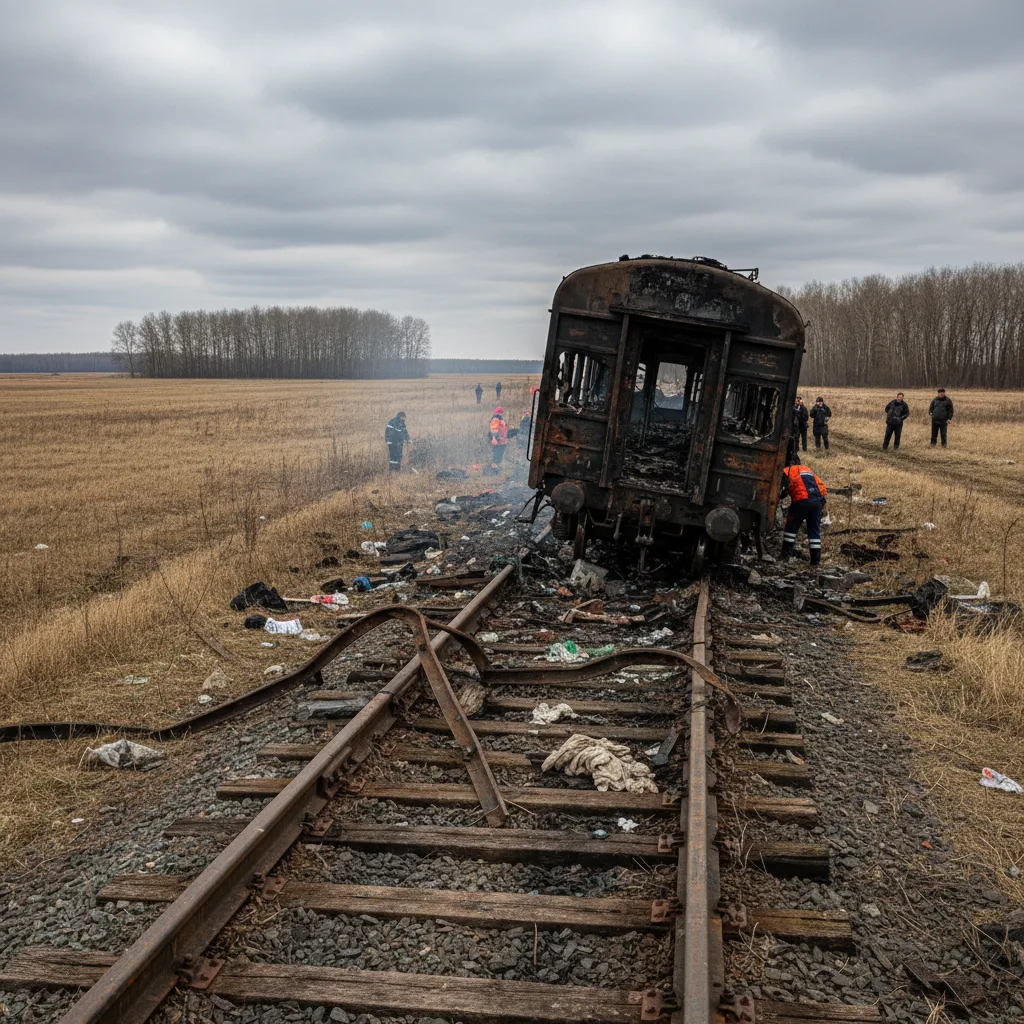
Russian Drone Strikes Ukraine Train After Johnson Visit, Global Alarm Rises 2026
A Russian drone struck a Ukrainian train after Boris Johnson passed through, fueling global alarm. Queens residents watch the impacts of distant conflicts.

Indonesian Ferry Disaster Leaves About 130 Missing in Java Sea
An Indonesian ferry sank in bad weather in the Java Sea, leaving about 130 missing. Cross Bay Boulevard residents express sympathy and concern over travel safety.
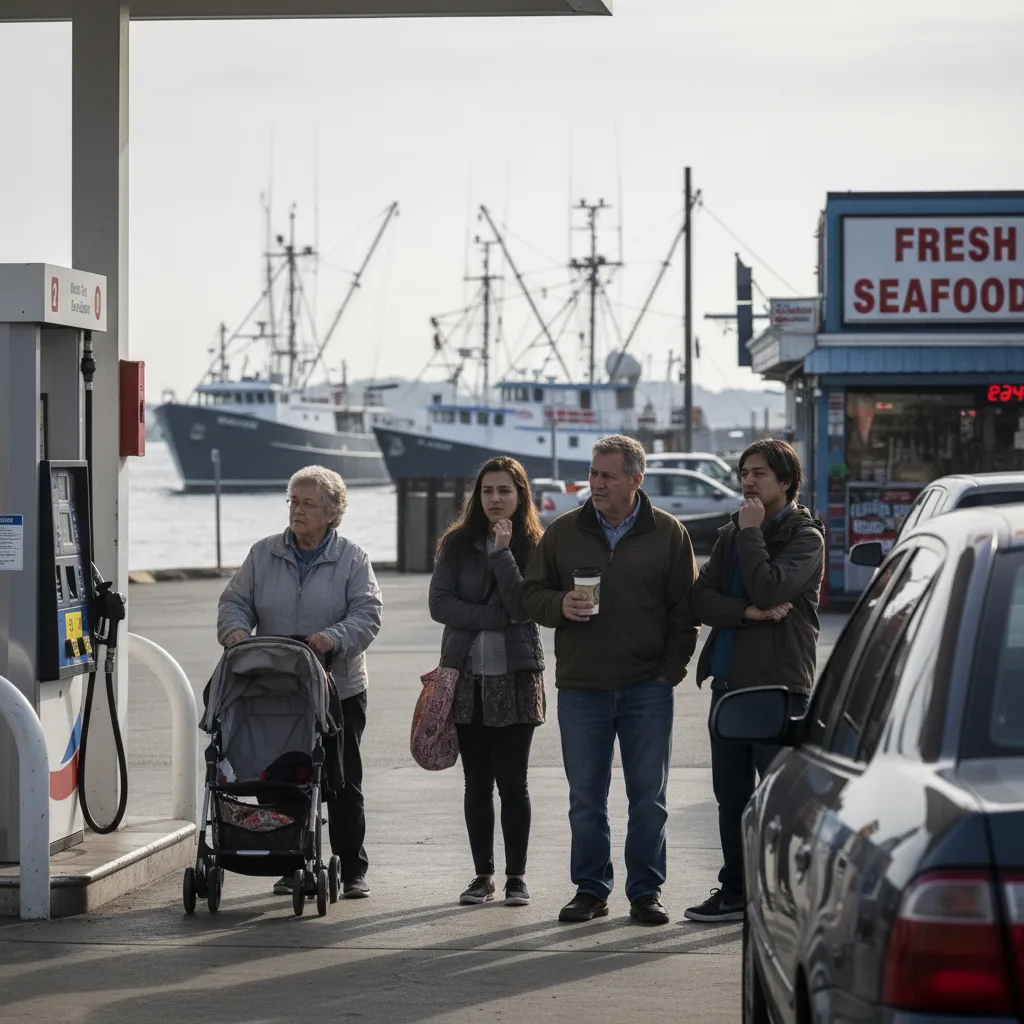
Iranian Commercial Vessel Struck in Strait of Hormuz, One Killed
An Iranian commercial vessel was struck in the Strait of Hormuz, killing one. Cross Bay Boulevard residents fear higher gas prices and shipping delays.
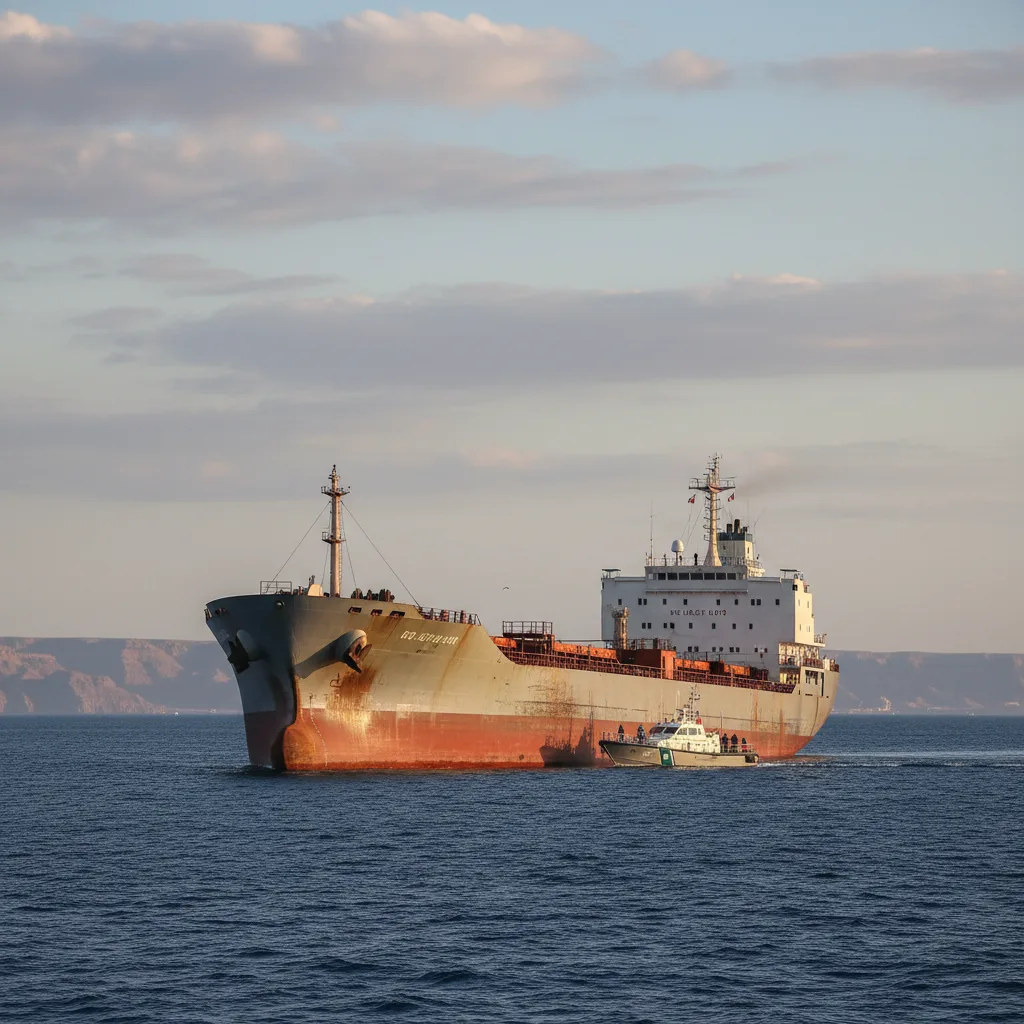
Merchant Vessel Struck Near Iran, One Fatality Reported
A merchant vessel was struck near Iran’s Strait of Hormuz, killing one and injuring three. The incident raises local concerns about gas prices and shipping disruptions.
Cross Bay Boulevard Residents Anxious Over Zelenskyy Drone Incident
Cross Bay Boulevard residents react with anxiety and fatigue after Ukrainian President Zelenskyy's plane nearly hit by a drone near Moldova.