


Iran Conflict Elevates Cross Bay Boulevard Gas Prices Over $4

NEW YORK — The escalating conflict involving Iran and President Trump’s recent threats have sent shockwaves through global oil markets, directly translating into sharply increased gas prices along Cross Bay Boulevard, where residents are now grappling with costs exceeding $4 per gallon. The economic squeeze is hitting Queens commuters and local businesses hard, prompting immediate financial anxieties.
For many, especially those who rely on vehicles for work or daily commutes, these rising fuel costs represent a significant burden. The impact is palpable at gas stations from Howard Beach to Ozone Park, where the price hikes are the main topic of conversation.
Gas Prices Skyrocket, Hitting Commuters Hard
Gas stations along Cross Bay Boulevard, typically competitive, now display prices upwards of $4.15 per gallon for regular unleaded, a substantial jump from previous weeks. This surge follows President Trump's recent declaration threatening to bomb Iran and continue U.S. strikes for weeks, a statement that immediately triggered a sharp increase in crude oil futures globally. The cost to fill up an F-150, a common vehicle for local delivery drivers, has risen to nearly $145.
Many commuters, particularly delivery drivers and tradespeople, are finding their daily earnings significantly eroded. "I'm spending almost $50 more a week just on gas," lamented Jose Ramirez, a package delivery driver operating out of Ozone Park, at a gas station near 157th Avenue. He fears having to skip shifts to save on fuel, directly impacting his family's income.
Local Diners Buzz with Political and Economic Debate
At local diners and coffee shops along the boulevard, President Trump's speech and the subsequent economic fallout are fueling intense discussions. Some residents, like Paulie Martino at a Lindenwood diner, support the President's tough stance. "He's doing what needs to be done to protect American interests," Martino asserted, reflecting a segment of the community that prioritizes national security.
Others, however, express profound concern about the broader economic consequences. "This could push us into a recession, and then what? Food prices will go up, everything will cost more," worried Sarah Jenkins, a retired teacher, while sipping coffee. She voiced fears about shipping delays impacting the cost of goods due to the ongoing disruption in the Strait of Hormuz. These debates highlight the complex interplay of national security and local economic stability.
Community Board Responds to Economic Jitters
Recognizing the immediate strain on residents, community board meetings in Howard Beach are planning emergency fuel drives and exploring ways to support vulnerable families. Michael Jones, a member of Community Board 10, confirmed discussions are underway for potential relief efforts. "We need to come together to help our neighbors through this," Jones stated, emphasizing local resilience. He expressed concerns about the financial stress this adds to already tight household budgets.
Local parks, usually bustling with activity during this time of year, are reportedly seeing fewer visitors, as families cut back on non-essential travel to conserve fuel. The ripple effects of global geopolitical tensions are keenly felt in the everyday choices of Queens residents. This downturn in recreational activity points to a broader impact on local quality of life.
Broader Economic Implications and Shipping Delays
Beyond gas prices, the disruption to the Strait of Hormuz, controlled by Iran amid the escalating conflict, has jammed hundreds of cargo ships. This has led to global oil chaos and raised economists' warnings of recession risks. Local businesses, especially those relying on imported goods or extensive supply chains, anticipate delays and increased costs. For example, some specialized parts for auto repair shops may become harder to source.
While there isn't a direct local port for these container ships on Cross Bay Boulevard, the impact on regional supply chains means higher prices for consumers on a variety of goods. This global event underscores the interconnectedness of world economies with local pocketbooks. Concerns about the broader economic landscape are driving local discussions about small business support initiatives to weather the potential downturn.
Seeking Solutions Amidst Uncertainty
As residents and local officials navigate this period of uncertainty, calls for a peaceful resolution to the international conflict are gaining traction. Simultaneously, local initiatives aim to mitigate the immediate financial burden on families. Ridesharing, carpooling, and increased use of public transportation are being encouraged as practical short-term solutions. Public awareness campaigns are also being considered to help residents find ways to conserve fuel.
The community remains vigilant, monitoring national and international developments while focusing on strengthening local support networks. The situation on Cross Bay Boulevard serves as a stark reminder of how global events can directly influence the lives and livelihoods of New Yorkers. The local news serves as a vital conduit for understanding these complex connections.
Frequently Asked Questions About Rising Gas Prices
Residents along Cross Bay Boulevard are asking why gas prices are suddenly so high. The recent surge is directly attributed to heightened geopolitical tensions, specifically the escalating conflict involving Iran and President Trump's threats. These events have created significant volatility in global oil markets, leading to increased crude oil prices which translate rapidly to higher costs at the pump for consumers.
For Queens residents struggling with fuel costs, several options can help manage expenses. Carpooling and ridesharing are effective ways to reduce individual fuel consumption. Utilizing MTA public transportation, such as the A train or local bus routes along Cross Bay Boulevard, can be a more economical alternative for daily commutes. Additionally, maintaining vehicles for optimal fuel efficiency can offer some savings over time.
Regarding the duration of these high gas prices, it largely depends on the resolution of the international conflict and the stability of global oil markets. Experts suggest that prices may remain elevated as long as tensions persist and supply chain disruptions continue in critical areas like the Strait of Hormuz. Local news sources will continue to monitor the situation and provide updates as they become available.
Written by
Newstrix
Cross Bay Current
Related Articles
More in National & World →
Cross Bay Boulevard Residents React to Ukraine War Strikes in Kyiv
Cross Bay Boulevard residents express deep concern and sympathy following Russian strikes in Kyiv and Odesa that injured 13 people.
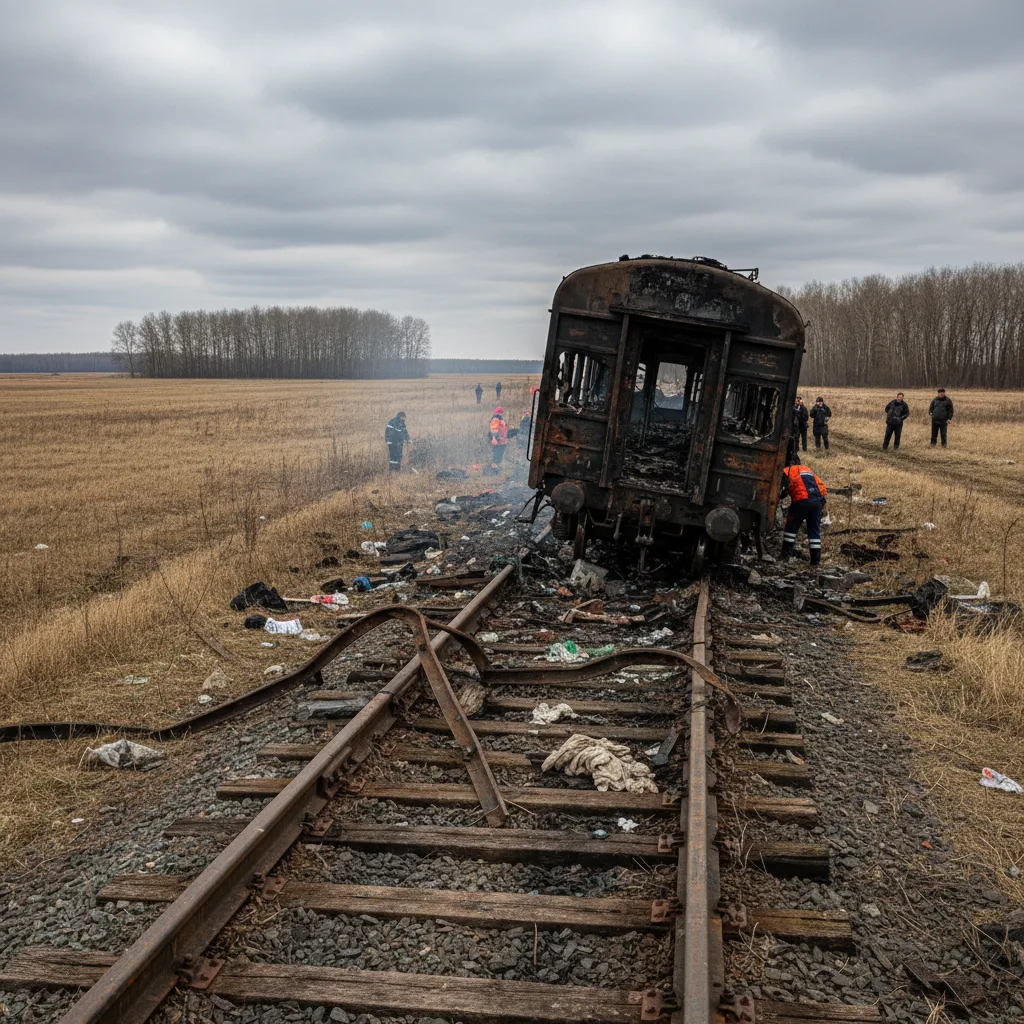
Russian Drone Strikes Ukraine Train After Johnson Visit, Global Alarm Rises 2026
A Russian drone struck a Ukrainian train after Boris Johnson passed through, fueling global alarm. Queens residents watch the impacts of distant conflicts.

Indonesian Ferry Disaster Leaves About 130 Missing in Java Sea
An Indonesian ferry sank in bad weather in the Java Sea, leaving about 130 missing. Cross Bay Boulevard residents express sympathy and concern over travel safety.
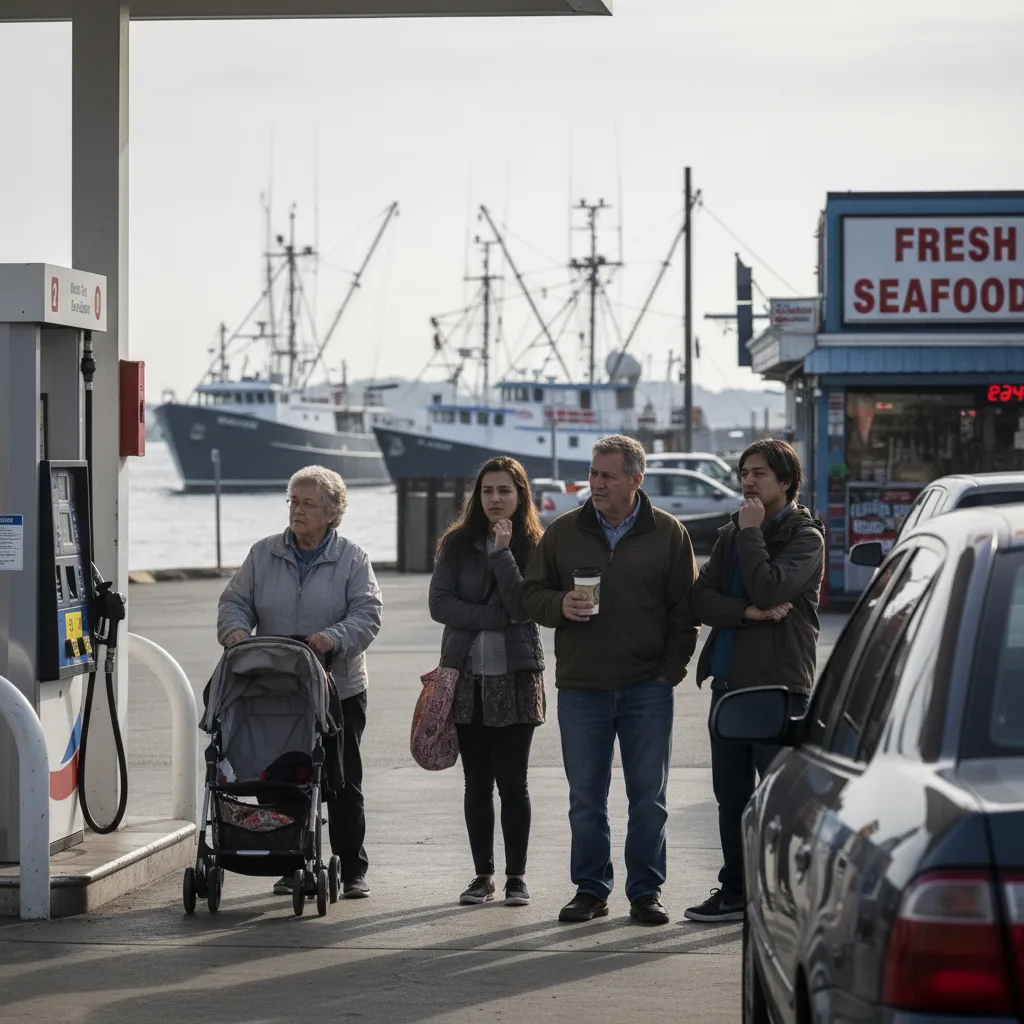
Iranian Commercial Vessel Struck in Strait of Hormuz, One Killed
An Iranian commercial vessel was struck in the Strait of Hormuz, killing one. Cross Bay Boulevard residents fear higher gas prices and shipping delays.
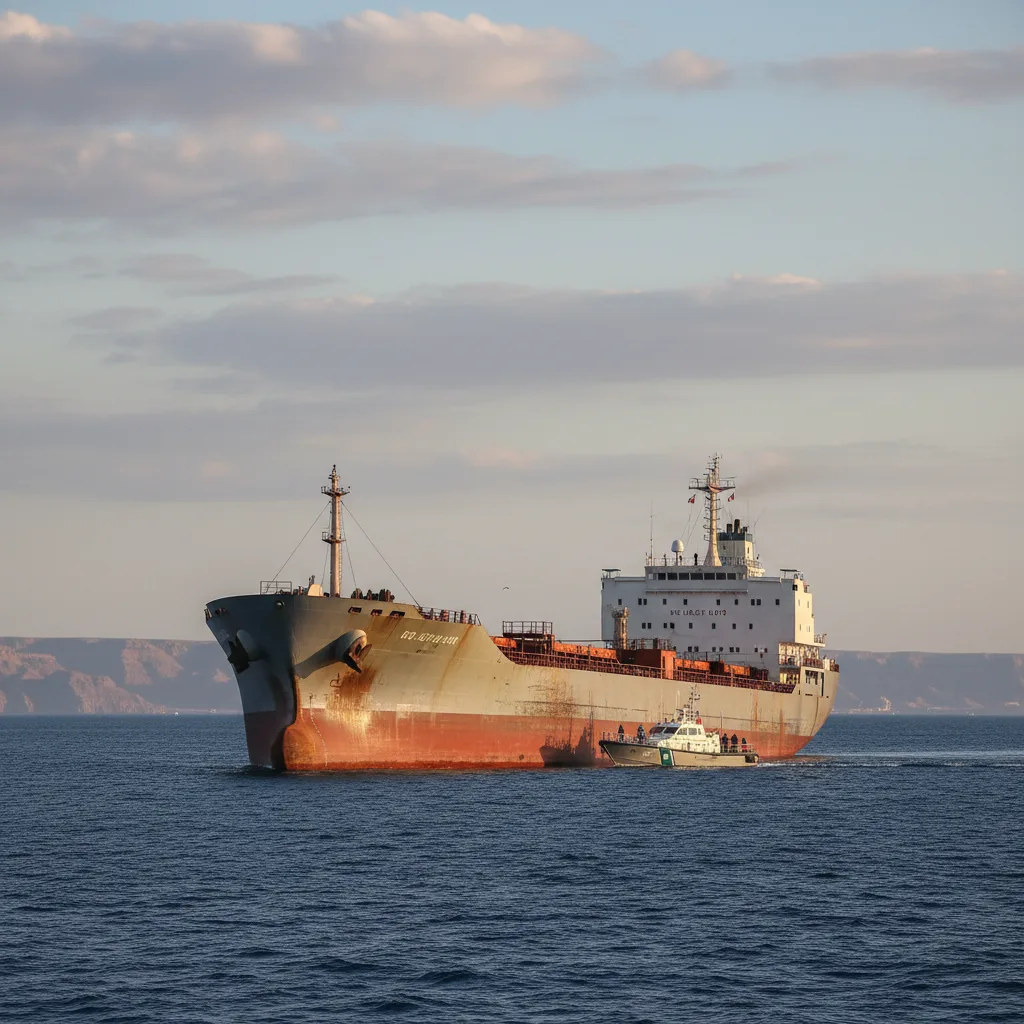
Merchant Vessel Struck Near Iran, One Fatality Reported
A merchant vessel was struck near Iran’s Strait of Hormuz, killing one and injuring three. The incident raises local concerns about gas prices and shipping disruptions.
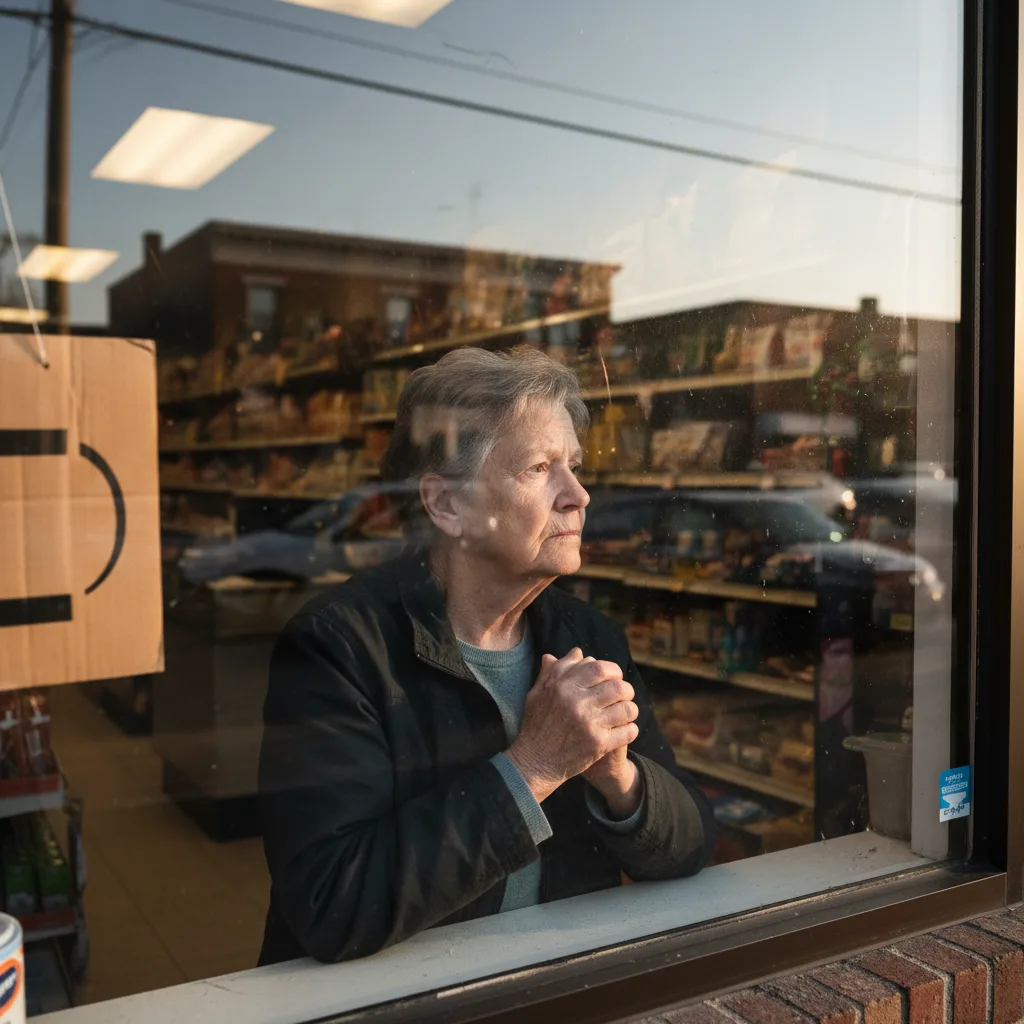
Cross Bay Boulevard Residents Anxious Over Zelenskyy Drone Incident
Cross Bay Boulevard residents react with anxiety and fatigue after Ukrainian President Zelenskyy's plane nearly hit by a drone near Moldova.