


Israel-Hezbollah Ceasefire Violation Sparks Cross Bay Blvd Debate

NEW YORK — Accusations by Israel that Hezbollah militants have violated a newly reached ceasefire agreement with Lebanon are fueling intense debate and apprehension along Cross Bay Boulevard in Queens. Following fragile first-round talks in Washington, the alleged violation, widely reported by international news outlets, casts a shadow over prospects for regional stability. The news has particularly impacted the diverse Jewish and Middle Eastern communities that call southern Queens home, sparking fervent discussions in local establishments and places of worship.
"Will it ever stick?" pondered Miriam Goldstein, a congregant at Young Israel of Howard Beach, during a Shabbat lunch discussion. "Every time there's hope for peace, something like this happens. It's draining." Her query reflects the sentiment of many elders in the Jewish community, who closely follow developments, often sharing news clips on WhatsApp groups. This concern is palpable in the air around the boulevard.
Diverse Reactions in Local Communities
The fragility of the ceasefire, detailed in reports from outlets like Euronews, has prompted varied and passionate responses. In falafel spots and shisha cafes near the boulevard, Middle Eastern families are engaged in lively arguments over blame, with some expressing frustration over biased reporting or boycotting social media posts perceived as pro-Hezbollah. These discussions often highlight deep-seated historical perspectives and affiliations, showing the complexity of community sentiments.
Dr. Omar Hassan, a professor of Middle East Studies at St. John's University, noted the immediate local impact. "Queens is a microcosm of the world," Dr. Hassan explained. "These international tensions don't just stay overseas; they manifest in our neighborhoods, impacting inter-community relations and fostering difficult conversations. The debate around Cross Bay Boulevard reflects global geopolitics in a very immediate way."
Outrage Over Attacks on Peacekeepers
Adding to the regional instability, France reacted with outrage to an attack on its peacekeepers in southern Lebanon. This incident further complicates the already delicate situation, raising questions about the safety of international forces and the commitment of all parties to de-escalation. Such attacks undermine global efforts to maintain a semblance of order and peace in a volatile region, drawing strong condemnation from international bodies.
UN Secretary-General António Guterres issued a statement condemning the attack, reiterating the importance of protecting peacekeepers. "Those who attack blue helmets must be held accountable," Guterres affirmed, stressing the need for immediate investigations. The safety of these forces is paramount to any successful long-term peace initiatives, and their protection is a non-negotiable imperative.
Concerns Over Refugee Strain on NYC Shelters
Amidst the geopolitical discussions, a more immediate and local concern has emerged: the potential for a new wave of refugees straining New York City's already overburdened shelter system. Community walks along Jamaica Bay have seen neighbors from diverse backgrounds agreeing that a prolonged conflict could mean more displaced individuals seeking refuge in the city. This shared concern transcends ethnic or religious lines, focusing on practical humanitarian challenges.
"Our shelters are already stretched thin," commented Sarah Jenkins, a volunteer at a local Howard Beach relief organization. "Another influx of refugees from the Middle East would put immense pressure on our resources, from housing to social services. We need to be prepared, but it's a daunting prospect. The sheer scale of potential need is something the city must address proactively and comprehensively."
Diplomatic Efforts and Future Outlook
The ceasefire's hold is now globally in question as escalations persist. Diplomatic efforts, led by the United States and European powers, continue behind the scenes to de-escalate the situation and salvage the fragile agreement. However, success hinges on the willingness of all parties to adhere to the terms and refrain from further provocations. The stakes are incredibly high, as regional stability hangs in the balance.
Secretary of State Antony Blinken has reiterated the U.S. commitment to a diplomatic resolution, urging both Israel and Lebanon to exercise restraint. "Dialogue remains the only path forward," Blinken stated at a press conference, emphasizing the need for continued engagement. The international community watches anxiously, hoping for a return to calm and a renewed commitment to peace talks, recognizing the broad implications of this fragile situation.
Frequently Asked Questions About Middle East Tensions
What are the key concerns surrounding the Israel-Hezbollah ceasefire? Israel has accused Hezbollah of violating a new ceasefire agreement, sparking fears that regional tensions will escalate. This has led to intense debate among local communities on Cross Bay Boulevard, impacting residents with ties to the Middle East.
How are Queens communities reacting to these international developments? Jewish delis and synagogues in Howard Beach are discussing the ceasefire's fragility, while Middle Eastern families in local falafel spots argue over blame. There's also a shared concern among diverse neighbors about potential refugee influxes straining NYC shelters.
What is the broader impact of this renewed tension? Beyond the immediate conflict, the tensions could disrupt diplomatic efforts, potentially lead to more attacks on peacekeepers, and increase humanitarian challenges, including a potential rise in refugees seeking safety in cities like New York, further exacerbating existing social service burdens.
Written by
Newstrix
Cross Bay Current
Related Articles
More in National & World →
Cross Bay Boulevard Residents React to Ukraine War Strikes in Kyiv
Cross Bay Boulevard residents express deep concern and sympathy following Russian strikes in Kyiv and Odesa that injured 13 people.
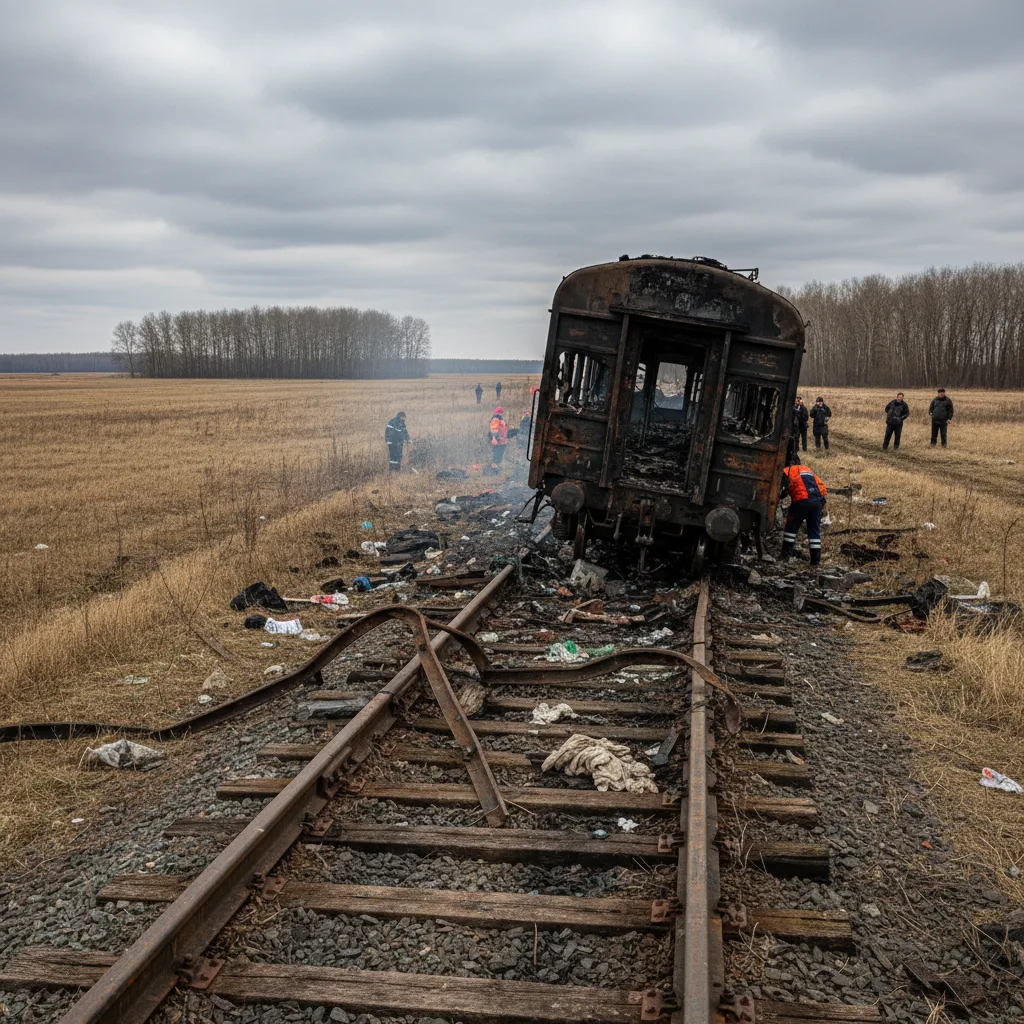
Russian Drone Strikes Ukraine Train After Johnson Visit, Global Alarm Rises 2026
A Russian drone struck a Ukrainian train after Boris Johnson passed through, fueling global alarm. Queens residents watch the impacts of distant conflicts.

Indonesian Ferry Disaster Leaves About 130 Missing in Java Sea
An Indonesian ferry sank in bad weather in the Java Sea, leaving about 130 missing. Cross Bay Boulevard residents express sympathy and concern over travel safety.
Iranian Commercial Vessel Struck in Strait of Hormuz, One Killed
An Iranian commercial vessel was struck in the Strait of Hormuz, killing one. Cross Bay Boulevard residents fear higher gas prices and shipping delays.

Merchant Vessel Struck Near Iran, One Fatality Reported
A merchant vessel was struck near Iran’s Strait of Hormuz, killing one and injuring three. The incident raises local concerns about gas prices and shipping disruptions.
Cross Bay Boulevard Residents Anxious Over Zelenskyy Drone Incident
Cross Bay Boulevard residents react with anxiety and fatigue after Ukrainian President Zelenskyy's plane nearly hit by a drone near Moldova.