


Jamaica Bay Horseshoe Crab Decline Prompts New Conservation

NEW YORK — The delicate ecological balance of Jamaica Bay, bordering Cross Bay Boulevard in Queens, faces increasing pressure as marine biologists report a significant decline in horseshoe crab populations over the last decade. This concerning trend, documented by the Jamaica Bay Wildlife Refuge and local universities, has prompted the implementation of new conservation strategies for 2026 to protect the ancient arthropods crucial to the bay’s ecosystem. The implications stretch beyond the crabs themselves, threatening migratory bird species that rely on their eggs.
Dr. Anya Sharma, a senior marine biologist with the National Park Service at Jamaica Bay, expressed alarm about the latest census figures. “Our 2025 survey indicated a 35% drop in spawning horseshoe crabs compared to 2015 levels,” Dr. Sharma stated during a community forum held at the Broad Channel Library on Tuesday, April 22, 2026. “These creatures are living fossils, but more importantly, their eggs are a vital food source for millions of migratory shorebirds, including the endangered Red Knot, making their decline a critical environmental issue for the entire Atlantic flyway.”
The decline is attributed to a combination of factors, including habitat loss due to coastal development, pollution runoff into the bay, and illegal harvesting for bait and biomedical purposes. Cross Bay Boulevard, as a major conduit, channels significant urban runoff into the bay, exacerbating water quality issues. The new conservation plan aims to address these multifaceted threats through a series of coordinated actions involving multiple agencies and local community groups.
Collaborative Efforts for Habitat Restoration
Central to the 2026 conservation initiative is an ambitious habitat restoration project targeting specific spawning grounds within Jamaica Bay. The National Park Service, in partnership with the New York State Department of Environmental Conservation (DEC) and several local non-profits, plans to restore approximately 10 acres of degraded intertidal habitat. This includes replenishing eroded shorelines with suitable sand for egg-laying and removing invasive species that outcompete native vegetation.
“Healthy habitats are the bedrock of species recovery,” remarked Michael Jenkins, a DEC conservation specialist overseeing the restoration efforts. He noted during a recent site visit near the Jamaica Bay Wildlife Refuge, “By recreating optimal conditions for horseshoe crab spawning, we can directly support their reproductive success and, by extension, the birds that depend on them. It’s a holistic approach to ecosystem management.” Volunteers from local civic associations, such as the Howard Beach Civic Association, are expected to contribute significantly to these hands-on restoration projects throughout the summer of 2026.
Furthermore, the plan involves enhanced monitoring of water quality around key areas of Jamaica Bay. Regular testing for pollutants originating from surrounding urban areas, including storm drains along Cross Bay Boulevard, will help identify and mitigate sources of contamination. This data-driven approach is critical for understanding the long-term health of the estuary and protecting its diverse inhabitants. Local news outlets, including the Queens Daily Eagle, have covered the environmental challenges facing the bay for years.
Strengthening Enforcement Against Illegal Harvesting
To combat illegal harvesting, the New York State Environmental Conservation Police will intensify patrols along the shores of Jamaica Bay during peak spawning season, typically from May to July. Increased surveillance and stricter penalties for unauthorized collection are central components of this enforcement strategy. Educational campaigns will also be launched to inform the public about the protected status of horseshoe crabs and their ecological importance.
Sergeant Alex Thompson, an Environmental Conservation Officer, emphasized the need for community vigilance. “We rely on the eyes and ears of the community to help us protect these creatures,” Sergeant Thompson told reporters. “Illegal harvesting severely impacts population numbers and disrupts the natural cycle. We urge anyone who witnesses suspicious activity to report it immediately to our hotline.” Public awareness is crucial, as many residents may not fully understand the regulations or the critical role these animals play.
Educational programs will target local schools and community groups in Broad Channel and Ozone Park, aiming to foster a deeper appreciation for Jamaica Bay’s unique wildlife. These workshops will highlight the life cycle of horseshoe crabs and the interconnectedness of species within the bay, from phytoplankton to migratory birds. This outreach aims to create a new generation of environmental stewards, ensuring the long-term health of the bay for future generations.
Research and Community Involvement for Resilience
Beyond immediate conservation, research efforts are being expanded to better understand the long-term impacts of climate change and sea-level rise on horseshoe crab habitats. Dr. Sharma's team at the National Park Service is collaborating with scientists from institutions like the American Museum of Natural History to model future scenarios and develop adaptive management strategies. This forward-thinking approach is vital for the resilience of the ecosystem against evolving environmental threats.
Community involvement remains a cornerstone of successful conservation. Local residents are encouraged to participate in citizen science programs, such as horseshoe crab tagging and counting events, which provide valuable data for researchers. These activities offer a unique opportunity for residents to connect with their local environment and contribute directly to conservation efforts. Information on participation is available through the Jamaica Bay Wildlife Refuge visitor center.
The collective commitment from governmental agencies, scientific institutions, and engaged citizens holds the key to reversing the decline of Jamaica Bay’s horseshoe crabs. Their survival is not just a matter of biodiversity but a testament to the health and vitality of this critical urban estuary. Ensuring the health of this crucial ecosystem will benefit all who live near Cross Bay Boulevard, from marine life to humans enjoying the natural beauty of Queens.
Frequently Asked Questions About Horseshoe Crab Conservation
Why are horseshoe crabs important to Jamaica Bay? Horseshoe crabs are considered a keystone species because their eggs provide a critical food source for millions of migratory shorebirds, including the endangered Red Knot. Their decline directly impacts these bird populations and the overall health of the bay's ecosystem. What are the main causes of their decline? The decline is attributed to habitat loss from coastal development, pollution runoff from urban areas like Cross Bay Boulevard, and illegal harvesting for bait and biomedical purposes. All these factors contribute to the challenging conditions faced by the species. What new conservation efforts are planned for 2026? The 2026 plan includes habitat restoration projects to replenish spawning grounds, enhanced water quality monitoring, intensified patrols against illegal harvesting, and educational campaigns to raise public awareness. These measures are designed to be comprehensive and multifaceted. How can local residents get involved in conservation efforts? Residents can participate in citizen science programs like horseshoe crab tagging and counting, volunteer for habitat restoration projects, and report any suspicious illegal harvesting activities to environmental conservation authorities. Local civic associations often organize these volunteer opportunities.
Written by
Newstrix
Cross Bay Current
Related Articles
More in Environment →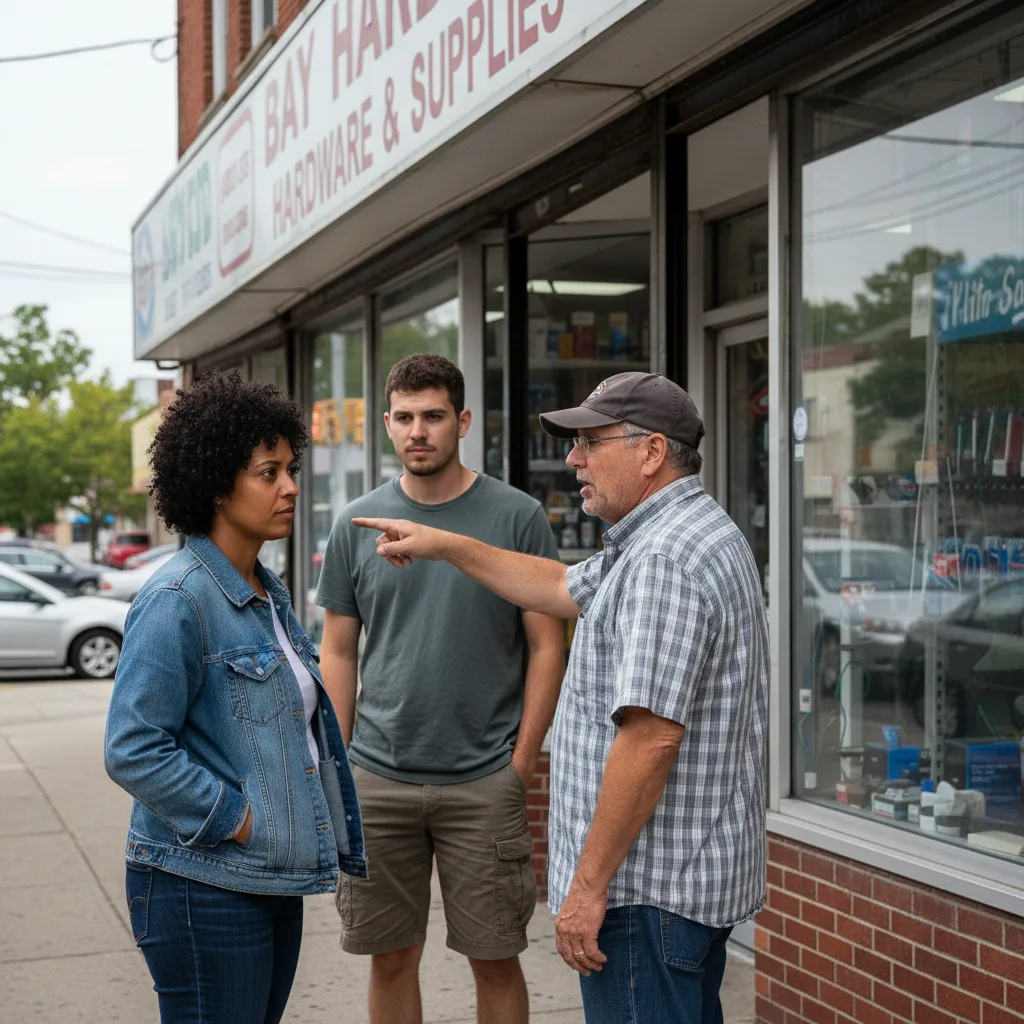
Queens Residents Discuss Nepal-China Flood Devastation
Queens residents on Cross Bay Boulevard discuss Nepal-China floods, drawing parallels to local concerns over flood-prone areas and storm preparedness.
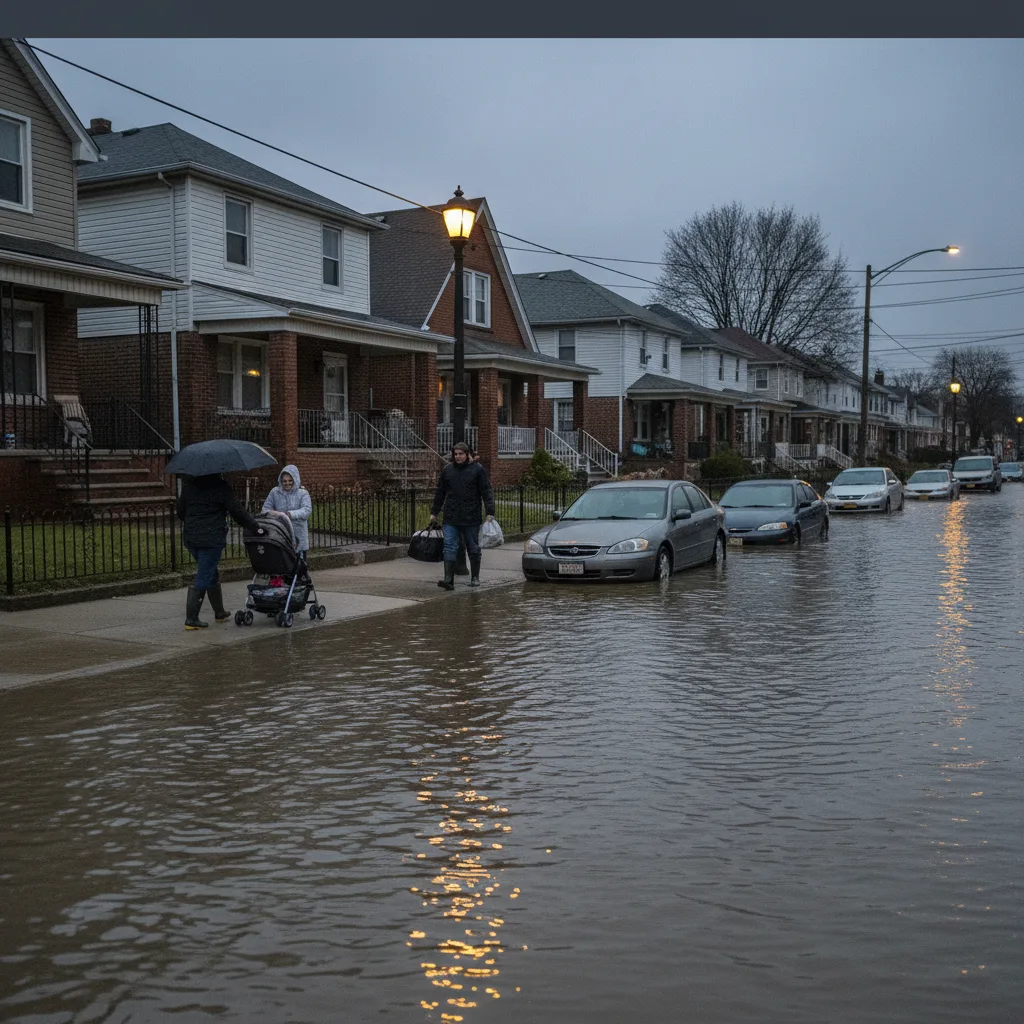
Howard Beach Tackles Rising Tides, Coastal Flooding Concerns 2026
Howard Beach is battling rising tides and coastal flooding this week, as full and new moons combine with rain to inundate neighborhoods like Old Howard Beach, Queens. The community mobilizes against the ongoing water challenges.
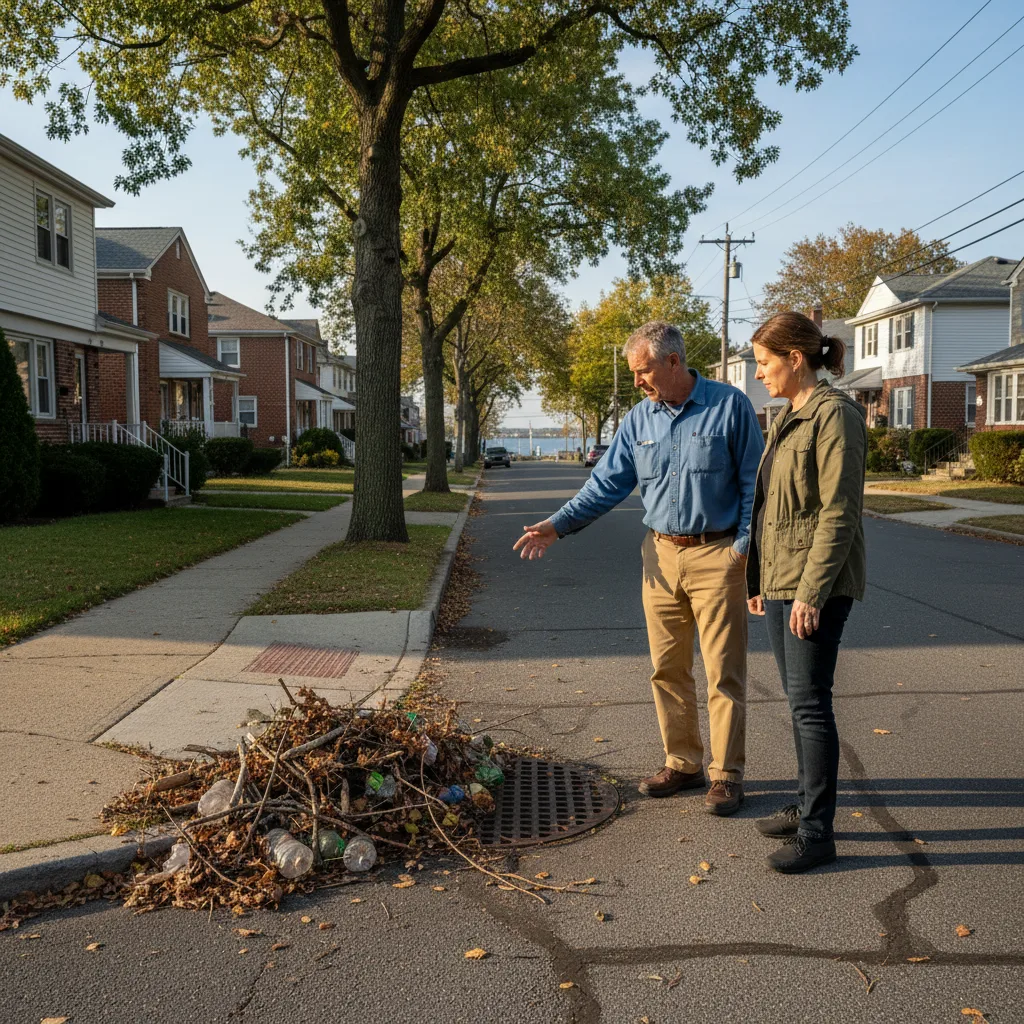
Cross Bay Boulevard Residents Discuss Global Flood Preparedness
Cross Bay Boulevard residents are discussing the Nepal-China floods, prompting local concerns about flood preparedness and NYC's infrastructure in coastal areas.
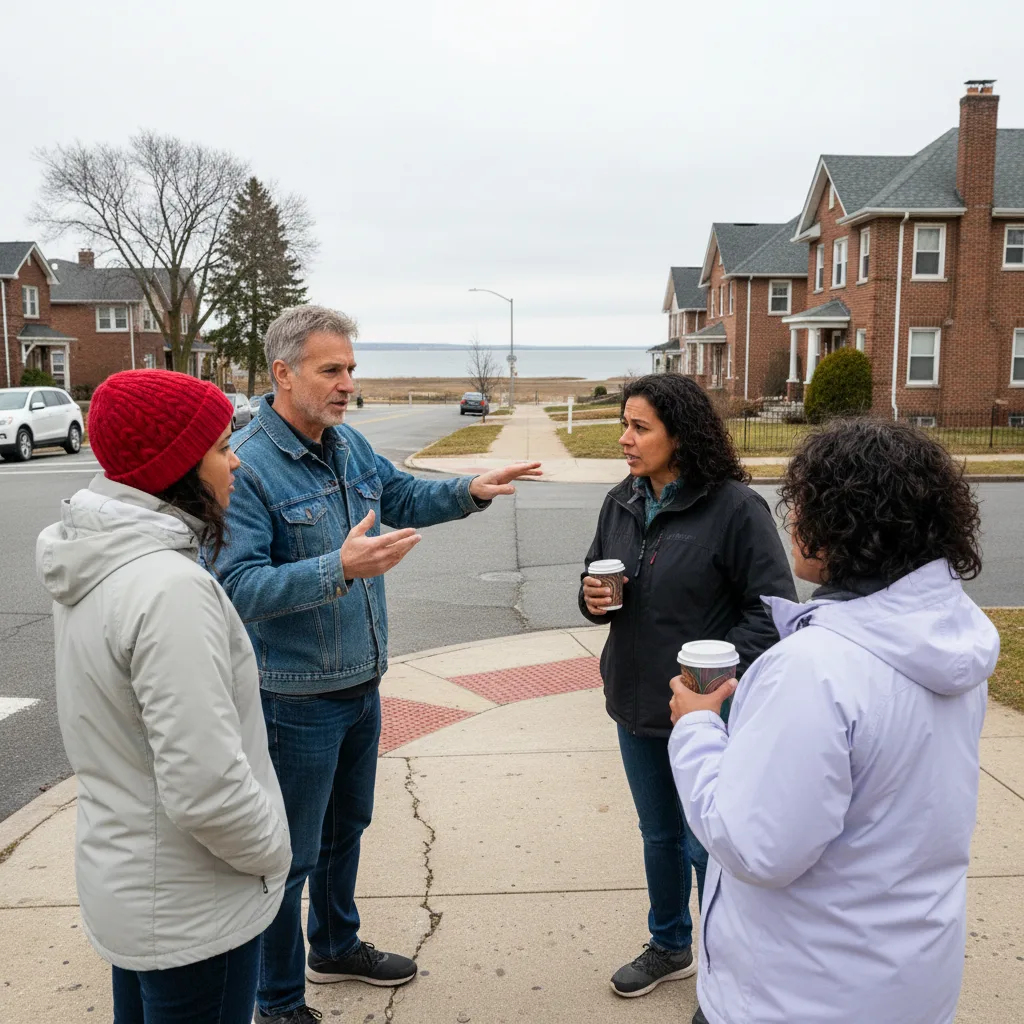
Cross Bay Boulevard Families Concerned Over Nepal Flood Casualties
Queens residents along Cross Bay Boulevard are deeply concerned about the Nepal-China flood disaster, prompting local discussions on emergency preparedness and infrastructure.
Queens Neighborhoods Targeted for Voluntary Flood Buyout Programs
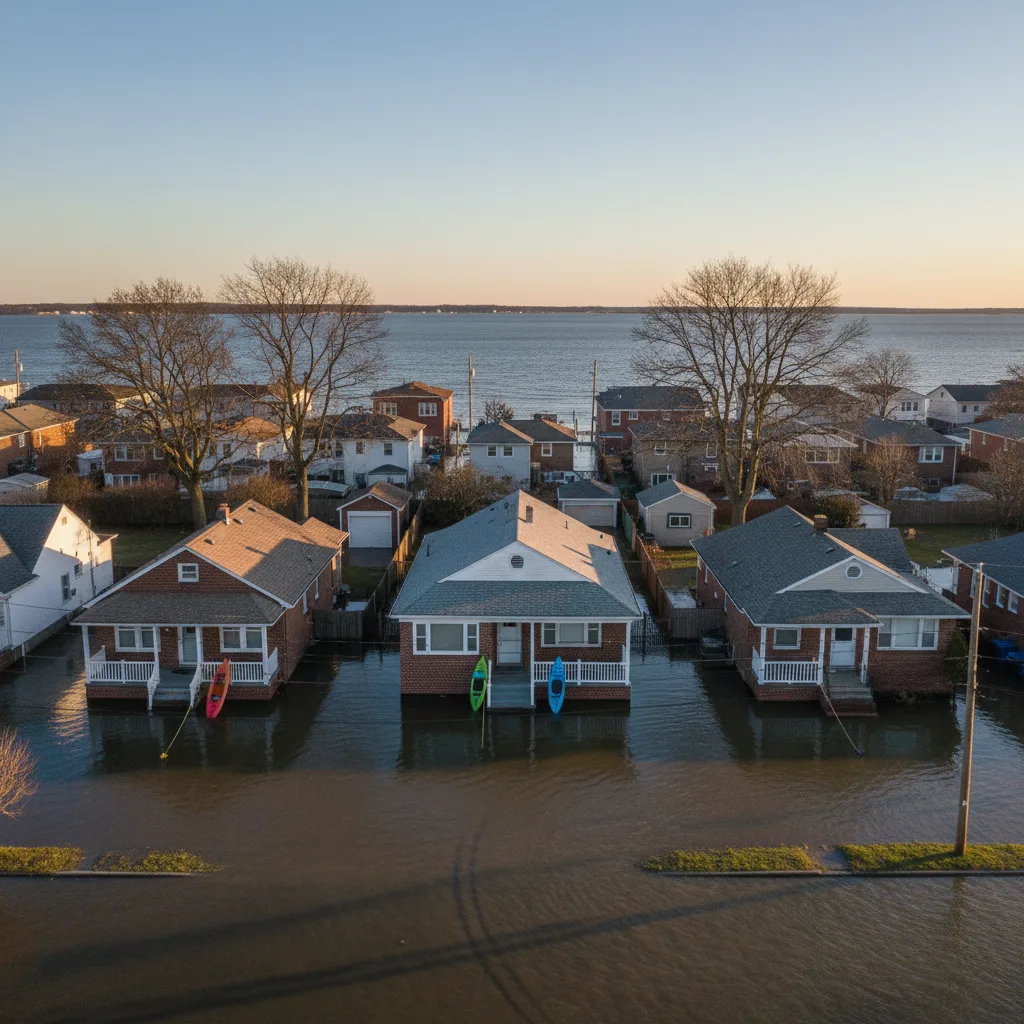
Vulnerable Queens neighborhoods, including those along Cross Bay Boulevard, may be targeted for voluntary flood buyout programs by the city. This addresses rising extreme weather concerns.
Environmental Concerns Emerge Near Cross Bay Boulevard, Queens 2026
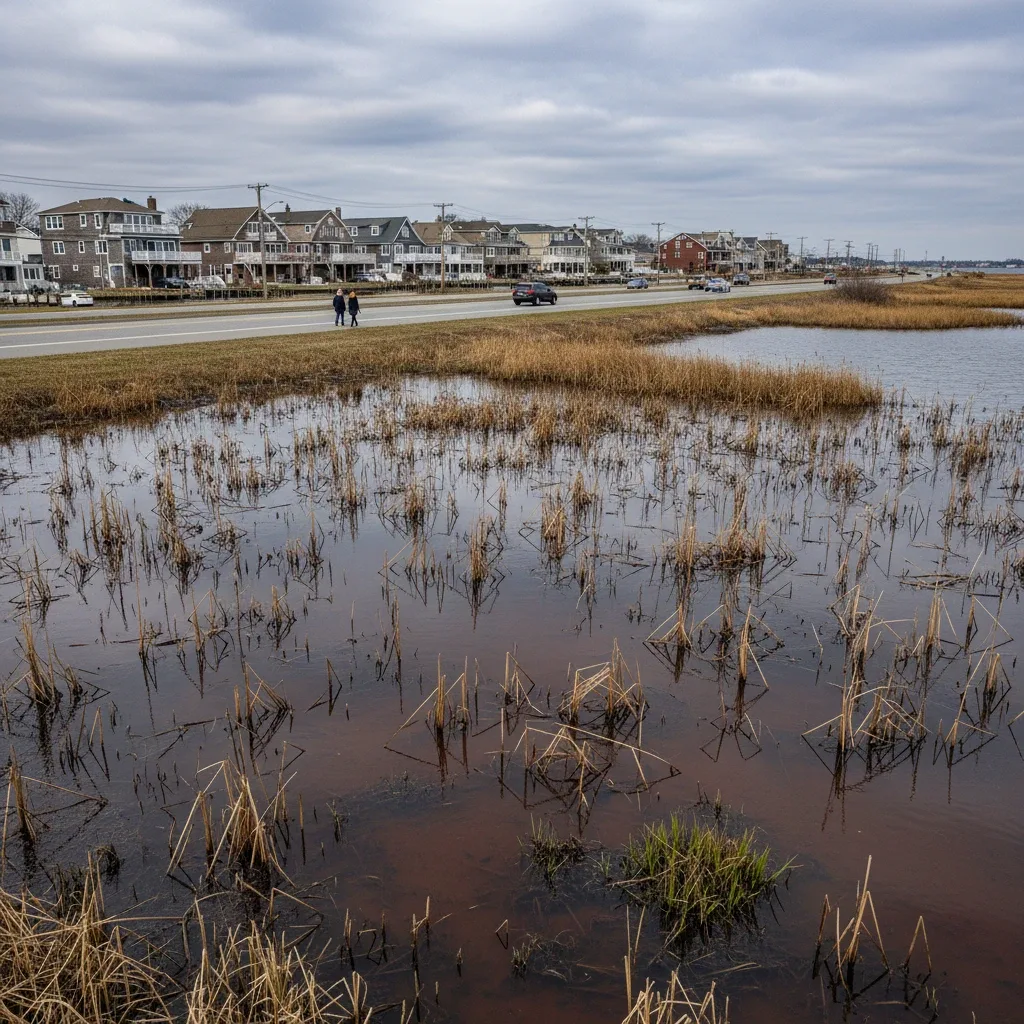
A report by New York Focus and Queens Daily Eagle uncovered pressing environmental concerns near Cross Bay Boulevard, affecting residents and ecosystems in Queens.