


Local News Queens Portals Track Horseshoe Crab Conservation Effort
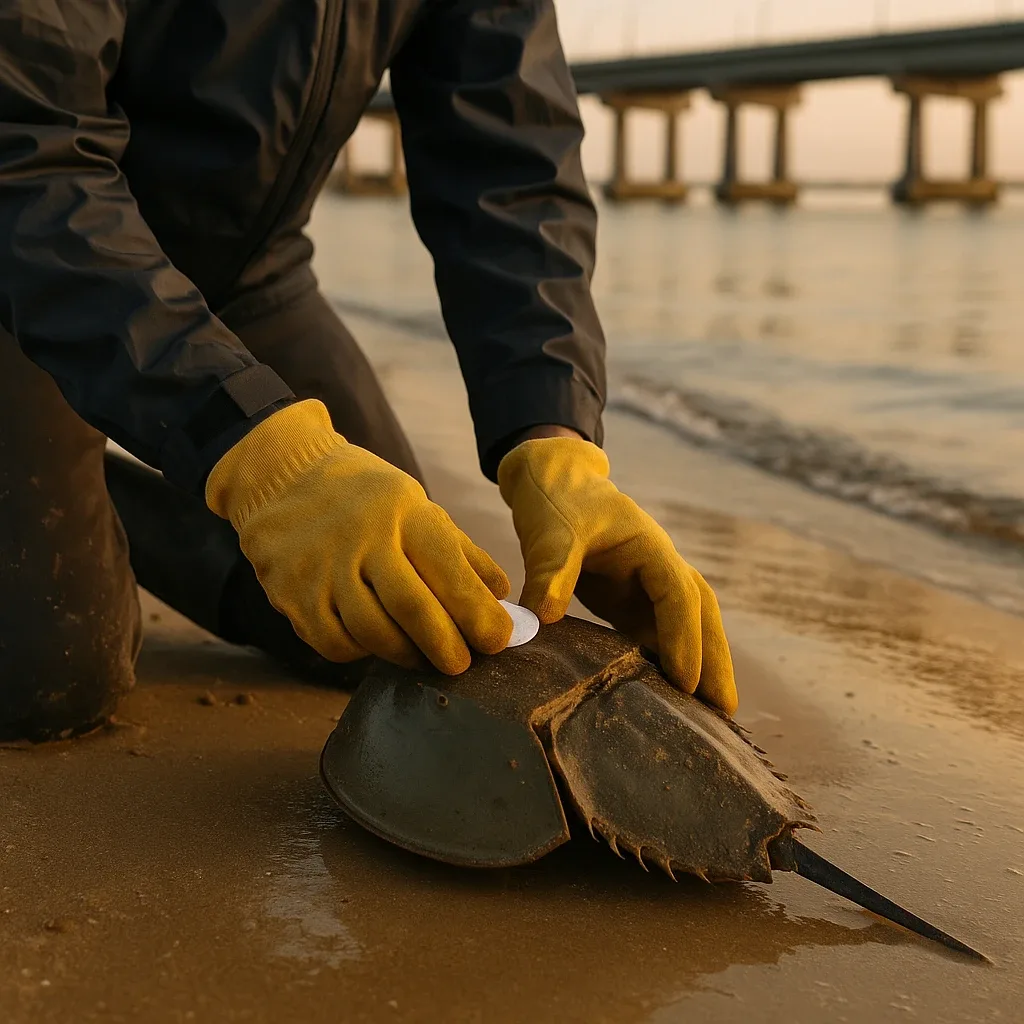
NEW YORK — Exactly 1,200 prehistoric horseshoe crabs were tagged along the Jamaica Bay shoreline this season, according to the Queens Daily Eagle. The census effort aims to protect vulnerable nesting habitats near the Joseph P. Addabbo Memorial Bridge as urban development and tidal shifts threaten the species.
Biologists and volunteer teams began the monitoring program in early spring to document population densities along the sandy beaches adjacent to Cross Bay Boulevard. This biological data will help municipal planners identify critical conservation areas ahead of scheduled bulkhead repairs.
Scientific Survey Identifies Peak Breeding Areas Near Addabbo Bridge
The National Park Service cooperated with local conservationists to map the most active nesting sites along the coastal perimeter. Researchers noted that horseshoe crab activity peaked during full moon high tides, when female crabs deposit their eggs in the upper intertidal zone.
These nesting zones are critical to the broader marine ecosystem, as migratory birds rely on crab eggs to fuel their long journeys. For further local updates on regional health and community infrastructure, residents can read the queens pediatrics clinic cross bay 2026 updates published this week.
Environmental Director Sarah Jenkins Urges Strict Shoreline Protections
"Protecting these nesting grounds requires a coordinated effort between state wildlife agencies and local community groups," said Sarah Jenkins, Director of the Jamaica Bay Ecologists Coalition. Jenkins emphasized that public awareness campaigns are essential to prevent nesting disruptions.
The coalition plans to install temporary educational signage at major public beach access points this week. These signs will explain the ecological role of horseshoe crabs and instruct visitors to keep their distance during high tide nesting windows.
Seasonal Migration Counts Reveal Shifting Jamaica Bay Ecology
This season's population census represents an eight percent increase over prior monitoring counts, according to conservation logs. This positive trend suggests that recent community-led wetland restoration efforts are beginning to support native marine species.
However, rising sea levels and coastal erosion continue to threaten the stability of sandy nesting beaches. Environmental advocates can review these data trends in detail on the Queens Daily Eagle conservation archives, which track regional wildlife studies.
Mid-Century Conservation Milestones Along the South Queens Shoreline
Jamaica Bay has undergone significant environmental transformations since the construction of regional transit corridors in the mid-twentieth century. Early development projects often overlooked the delicate balance of coastal wetlands, leading to decades of habitat degradation.
The establishment of the Gateway National Recreation Area in 1972 marked a major shift toward environmental preservation. Since that milestone, federal and local agencies have worked to reclaim damaged coastal areas and reintroduce native species to the preserve.
Volunteer Training Seminars Scheduled for Coastal Marsh Monitoring
The environmental coalition has scheduled three volunteer training seminars next month to prepare residents for the upcoming summer nesting cycle. Participants will learn how to safely measure, tag, and document horseshoe crabs without disrupting their behavior.
The training sessions will be held at the Broad Channel public library and are open to volunteers of all experience levels. Organizers hope to expand the network of coastal monitors to cover several miles of unpatrolled shoreline.
Frequently Asked Questions
When is the peak nesting season for horseshoe crabs in Jamaica Bay?
Horseshoe crabs typically nest during high tides in May and June, particularly during the full moon and new moon cycles. During these periods, large numbers of crabs migrate to sandy shorelines along Cross Bay Boulevard, making it the most critical time for monitoring and preservation efforts.
What should residents do if they find tagged marine wildlife?
Residents who discover a tagged horseshoe crab should note the tag number, date, location, and the animal's condition, then submit the information to the U.S. Fish and Wildlife Service database. Conservation groups use these reports to track migration patterns and monitor long-term survival rates in South Queens.
Written by
Newstrix
Cross Bay Current
Related Articles
More in Environment →
Cross Bay Boulevard Residents Connect Bangkok Flooding to Local Concerns
Queens residents on Cross Bay Boulevard link Bangkok's flood disaster to their own local concerns about storm drains and neighborhood flood preparedness.
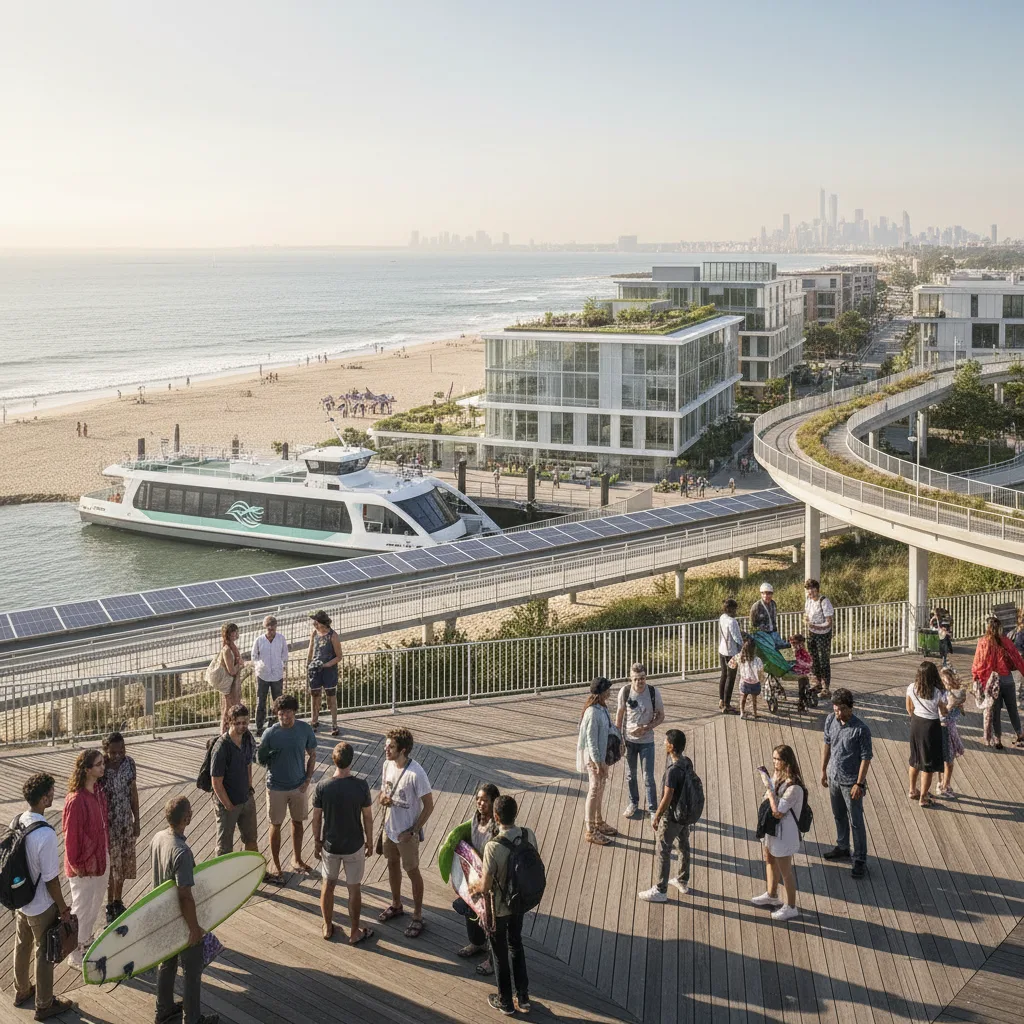
Your Essential Guide to the Rockaway Ocean Club in 2026
Discover what to expect at the Rockaway Ocean Club in 2026, a vibrant beachfront hub in Queens with dining, events, and community activities.
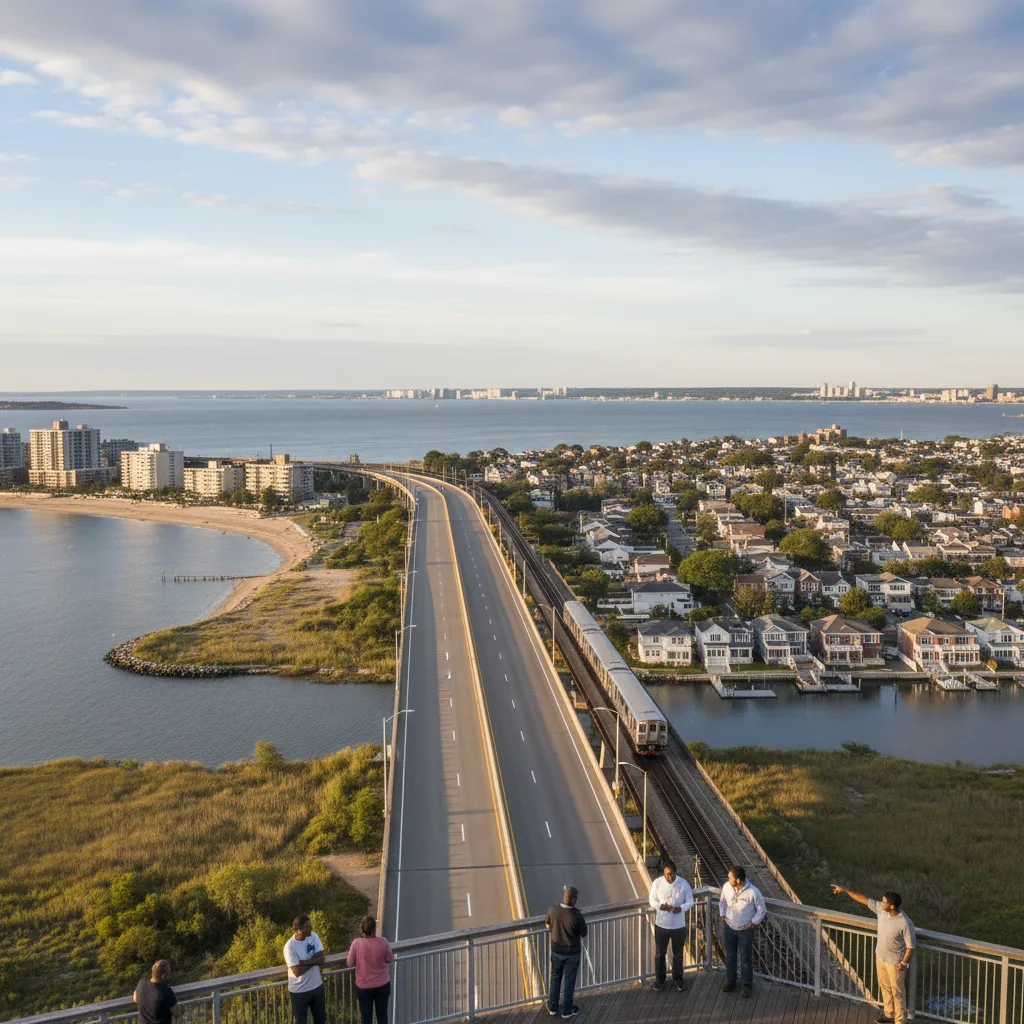
Is Howard Beach in Queens or Brooklyn? A Comprehensive Guide to This Unique NYC Neighborhood
Is Howard Beach in Queens or Brooklyn? Discover the definitive answer: Howard Beach is a vibrant Queens neighborhood with unique coastal charm.
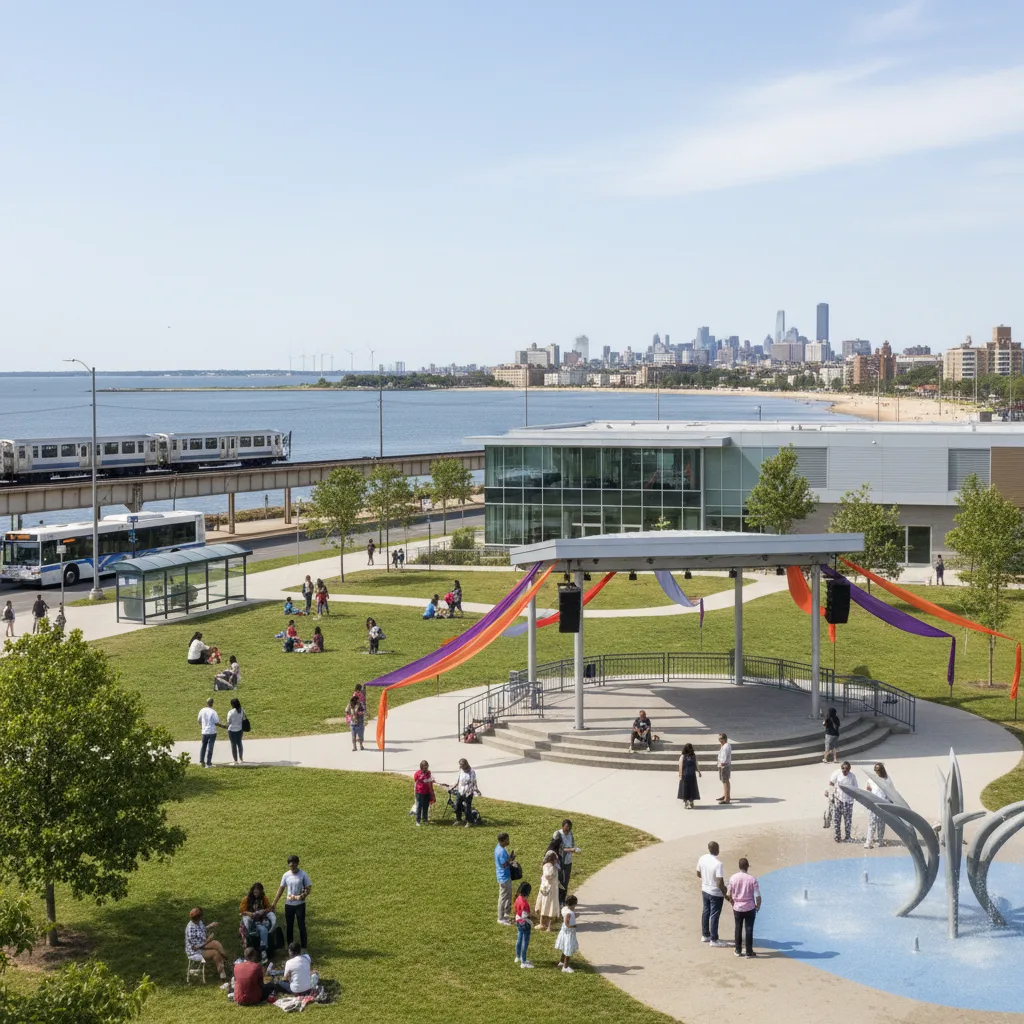
Your Essential Guide to Roy Wilkins Park Events in 2026
Discover the essential guide to Roy Wilkins Park events in 2026, featuring concerts, festivals, sports, and nature programs for South Queens residents.
Is Howard Beach in Queens? An Essential Guide to This Vibrant NYC Neighborhood
Discover if Howard Beach is in Queens, NYC, and explore this vibrant neighborhood's unique geography, community, lifestyle, and local attractions.
Your Guide to Enjoying All Things Go Festival in 2026
Plan your 2026 All Things Go Festival experience from Queens with our comprehensive guide, covering tickets, travel, and what to expect.