


Jamaica Bay Conservationists Launch 3-Acre Shoreline Restoration
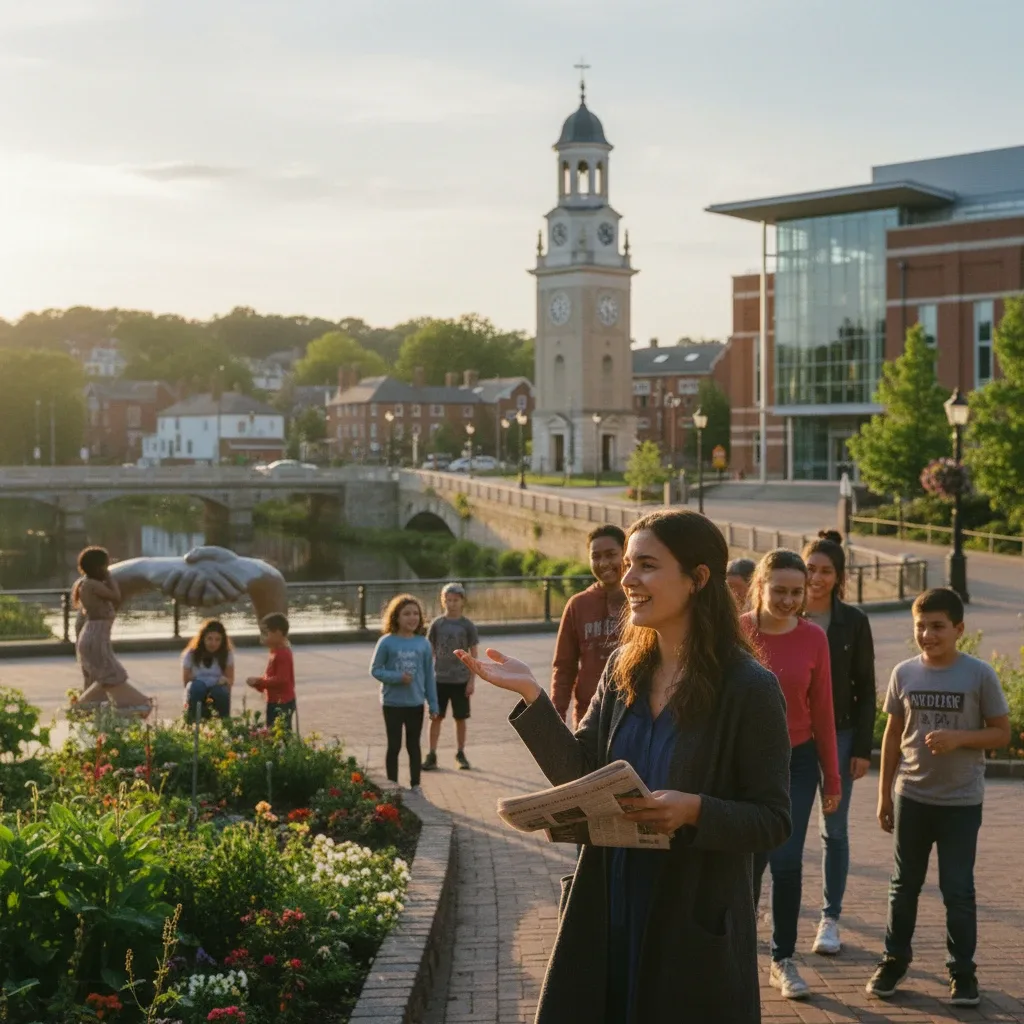
NEW YORK — The American Littoral Society initiated a community-led shoreline restoration project at the Jamaica Bay Wildlife Refuge on Sunday, Global News reported. The seasonal initiative successfully drew over 150 local volunteers who worked to replant native cordgrass across three acres of vulnerable tidal flats in jamaica bay.
Volunteers Plant Cordgrass to Secure Mudflats
The restoration site, located just off Cross Bay Boulevard, has suffered from rapid shoreline recession due to severe winter storms. Volunteers spent several hours anchoring over 12,000 individual grass plugs into the muddy shoreline to stabilize the soil.
Egrets and blue herons watched the activity from the shallow marshes, highlighting the thin boundary between urban transit and wild sanctuary. Organizers emphasized that these grass roots will create a natural barrier against future tidal surges.
Shoreline Erosion Solutions Target Fragile Jamaica Bay Ecosystems
Environmental scientists believe that restoring native vegetation is the most effective way to protect jamaica bay from accelerating erosion. The bay's salt marshes act as a critical sponge, absorbing high energy waves before they reach nearby residential communities.
This local environmental advocacy mirrors broader regional efforts, such as when local queens news tracks canada-france intelligence pact updates to assess shifting federal climate policies. Conservationists hope that local efforts will receive stronger international support under current ecological agreements.
Coastal Resilience Studies Detail Sea Level Rise Risks
Recent surveys conducted by the Science and Resilience Institute show that the wetland basin has lost nearly 60 percent of its historic marshlands over the past century. Rising sea levels and localized urban runoff continue to threaten the remaining intertidal habitats.
To combat these trends, researchers are utilizing advanced drone imaging to monitor vegetation density and shoreline movement. The gathered data will help conservation groups target future restoration projects more effectively.
National Park Service Allocates Conservation Funding for Jamaica Bay
The National Park Service recently allocated $1.2 million to support ongoing coastal resilience initiatives across jamaica bay. This federal funding will help fund the deployment of recycled oyster reefs to further buffer the shoreline from wave action.
Park superintendent Jen Nersesian confirmed that these funds will also support seasonal stewardship internships for local high school students. The program aims to train the next generation of urban environmentalists in Queens.
Community Education Programs Expand at Wildlife Refuge Center
The wildlife refuge visitor center plans to launch a series of public educational workshops starting next month. These weekend programs will teach residents how to install native rain gardens to manage localized stormwater runoff.
By engaging the community directly, park rangers hope to foster a deeper sense of ecological stewardship among South Queens residents. Volunteers can register for upcoming planting events through the National Park Service's digital portal.
Frequently Asked Questions
How can local volunteers get involved in upcoming planting events in Jamaica Bay?
Interested individuals can sign up for volunteer alerts through the American Littoral Society's official website or by visiting the visitor center. All necessary tools, gloves, and protective boots are provided by the organizing agencies on the day of the event. Families and school groups are encouraged to participate, as tasks are tailored to various age groups and physical abilities.
What specific ecological benefits do native cordgrass plants provide to the bay?
Native cordgrass, specifically Spartina alterniflora, features an extensive root system that physically binds coastal soils together to prevent erosion. These plants also trap floating sediment, which helps the marsh naturally build elevation over time to keep pace with rising sea levels. Additionally, the dense grass stalks provide vital nesting habitats and feeding grounds for local marine species and migratory birds.
Are there any entry fees or parking restrictions at the Jamaica Bay Wildlife Refuge?
Admission to the wildlife refuge and its visitor center is entirely free to the public, and ample parking is available in the main lot off Cross Bay Boulevard. Visitors must obtain a free walking permit at the front desk before exploring the scenic West Pond trail loop. The refuge is open daily from sunrise to sunset, providing year-round access to birdwatchers and nature enthusiasts.
Written by
Newstrix
Cross Bay Current
Related Articles
More in Environment →
Cross Bay Boulevard Residents Connect Bangkok Flooding to Local Concerns
Queens residents on Cross Bay Boulevard link Bangkok's flood disaster to their own local concerns about storm drains and neighborhood flood preparedness.
Your Essential Guide to the Rockaway Ocean Club in 2026
Discover what to expect at the Rockaway Ocean Club in 2026, a vibrant beachfront hub in Queens with dining, events, and community activities.
Is Howard Beach in Queens or Brooklyn? A Comprehensive Guide to This Unique NYC Neighborhood
Is Howard Beach in Queens or Brooklyn? Discover the definitive answer: Howard Beach is a vibrant Queens neighborhood with unique coastal charm.
Your Essential Guide to Roy Wilkins Park Events in 2026
Discover the essential guide to Roy Wilkins Park events in 2026, featuring concerts, festivals, sports, and nature programs for South Queens residents.
Is Howard Beach in Queens? An Essential Guide to This Vibrant NYC Neighborhood
Discover if Howard Beach is in Queens, NYC, and explore this vibrant neighborhood's unique geography, community, lifestyle, and local attractions.
Your Guide to Enjoying All Things Go Festival in 2026
Plan your 2026 All Things Go Festival experience from Queens with our comprehensive guide, covering tickets, travel, and what to expect.