


Mideast Tensions Mount as Iran Launches Missiles, Drones

NEW YORK — Iran launched missiles and drones towards Bahrain and Kuwait earlier today, prompting immediate U.S. interceptions and raising new concerns about the already fragile ceasefire in the region. The actions signal a sharp escalation in Mideast tensions, drawing global attention and renewing fears that the precarious peace could unravel rapidly, with potential far-reaching consequences.
This latest development, reported by Global News's international headlines page, comes at a critical juncture for international diplomacy. It places significant pressure on diplomatic efforts to de-escalate conflicts and stabilize a region vital to global energy markets and international security.
Escalation Threatens Regional Stability
The coordinated launches represent a significant shift in Iran's military posture, moving beyond proxy conflicts to direct engagement with neighboring states. Bahrain and Kuwait, both U.S. allies, are critical players in regional security dynamics and host substantial American military assets.
U.S. forces stationed in the region confirmed that they successfully intercepted a number of the incoming threats, preventing widespread damage and potential casualties. This direct intervention underscores the United States' commitment to its allies and its role as a regional guarantor of security.
"Such unprovoked aggression fundamentally undermines efforts to achieve lasting peace," stated a U.S. Central Command (CENTCOM) spokesperson in an official release. "We will take all necessary measures to protect U.S. personnel and interests, and to support our regional partners against any threats to stability and national sovereignty in the Gulf region."
Diplomatic Fallout and International Reactions
The international community reacted swiftly, with condemnations pouring in from the United Nations, European Union, and several Arab nations. Calls for restraint and renewed diplomatic engagement are intensifying, as world leaders grapple with the implications of direct military action.
U.N. Secretary-General António Guterres urged all parties to exercise maximum restraint and avoid any actions that could further destabilize the Middle East. He emphasized the imperative of de-escalation for the sake of regional and global security, highlighting the fragility of existing peace arrangements.
Analysts at the Council on Foreign Relations noted that this event could embolden other regional actors, leading to a dangerous cycle of retaliation. The precise targeting of Bahrain and Kuwait suggests a calculated move aimed at sending a clear message to U.S. and Gulf allies.
Economic Implications for Global Markets
The immediate economic impact was felt in global oil markets, with crude prices seeing an uptick amid supply uncertainty concerns. The Persian Gulf is a major artery for global energy supply, and any disruption can have ripple effects on economies worldwide.
Shipping routes through the Strait of Hormuz, a critical chokepoint for oil transport, are now under heightened scrutiny. Insurers are expected to raise premiums for vessels operating in the area, potentially increasing costs for consumers globally, including those in Queens who monitor rising fuel prices.
While direct economic impacts on communities like those along Cross Bay Boulevard are indirect, residents often feel the pinch of rising energy costs. This global event can contribute to broader inflationary pressures, impacting everything from gas prices at local stations to the cost of goods shipped internationally. For continuous coverage, refer to Global News for world headlines.
Historical Context of Regional Tensions
This latest flare-up is set against a complex historical backdrop of geopolitical rivalries and sectarian divisions in the Middle East. Tensions between Iran and its Gulf neighbors, particularly Saudi Arabia, have been a persistent feature of the region for decades, often manifesting through proxy conflicts in Yemen, Syria, and Lebanon.
The fragile ceasefire, which was barely holding, emerged from months of intense diplomatic efforts, including back-channel negotiations and regional peace initiatives. These launches severely test the credibility and durability of those efforts, pushing the region closer to open conflict.
Past agreements and confidence-building measures have frequently been undermined by unilateral actions or external interference. This pattern reinforces concerns about the long-term prospects for peace in a region already scarred by prolonged instability and humanitarian crises.
The Path Forward: Diplomacy or Further Conflict?
International mediators are urgently working to open lines of communication between the involved parties, seeking to prevent further military action. The focus is on establishing a clear de-escalation pathway and reinforcing the tattered ceasefire agreement.
However, the resolve of the international community to impose meaningful consequences for such escalations will be severely tested. The stakes are incredibly high, not only for the Middle East but for global security and economic stability. The path ahead remains uncertain, balanced precariously between renewed diplomacy and the specter of wider conflict.
While residents of Cross Bay Boulevard may not feel immediate, direct impacts, the community remains aware of the interconnectedness of global events. Discussions at local community centers and online forums sometimes touch on the broader implications of international news, especially regarding economic stability and global security.
Frequently Asked Questions About Mideast Tensions
What sparked the recent escalation of tensions in the Middle East?
The latest escalation was sparked by Iran's launch of missiles and drones towards Bahrain and Kuwait. This direct military action, intercepted by U.S. forces, has dramatically heightened regional tensions and raised serious doubts about the viability of the existing, already fragile ceasefire agreement.
How did the United States respond to the missile and drone launches?
U.S. forces in the region quickly responded by intercepting a number of the incoming missiles and drones. A spokesperson for U.S. Central Command (CENTCOM) confirmed this defensive action, reiterating the U.S. commitment to protecting its personnel and allies in the Gulf region against any hostile actions.
What are the potential global implications of this escalation?
The potential global implications include increased instability in a critical geopolitical region, a rise in international oil prices due to supply concerns, and a renewed challenge to global diplomatic efforts aimed at achieving peace. The incident risks broadening the conflict, drawing in more international actors, and affecting global economic stability.
How might this global event indirectly affect communities in Queens like Cross Bay Boulevard?
While the direct impact on Cross Bay Boulevard residents is limited, global geopolitical events can have indirect economic effects. For example, increased oil prices could translate to higher gas prices at local pumps in Queens or impact the cost of goods that rely on international shipping. Residents might also discuss such significant global news in local community settings, reflecting general concerns about world stability.
Written by
Newstrix
Cross Bay Current
Related Articles
More in National & World →
Cross Bay Boulevard Residents React to Ukraine War Strikes in Kyiv
Cross Bay Boulevard residents express deep concern and sympathy following Russian strikes in Kyiv and Odesa that injured 13 people.
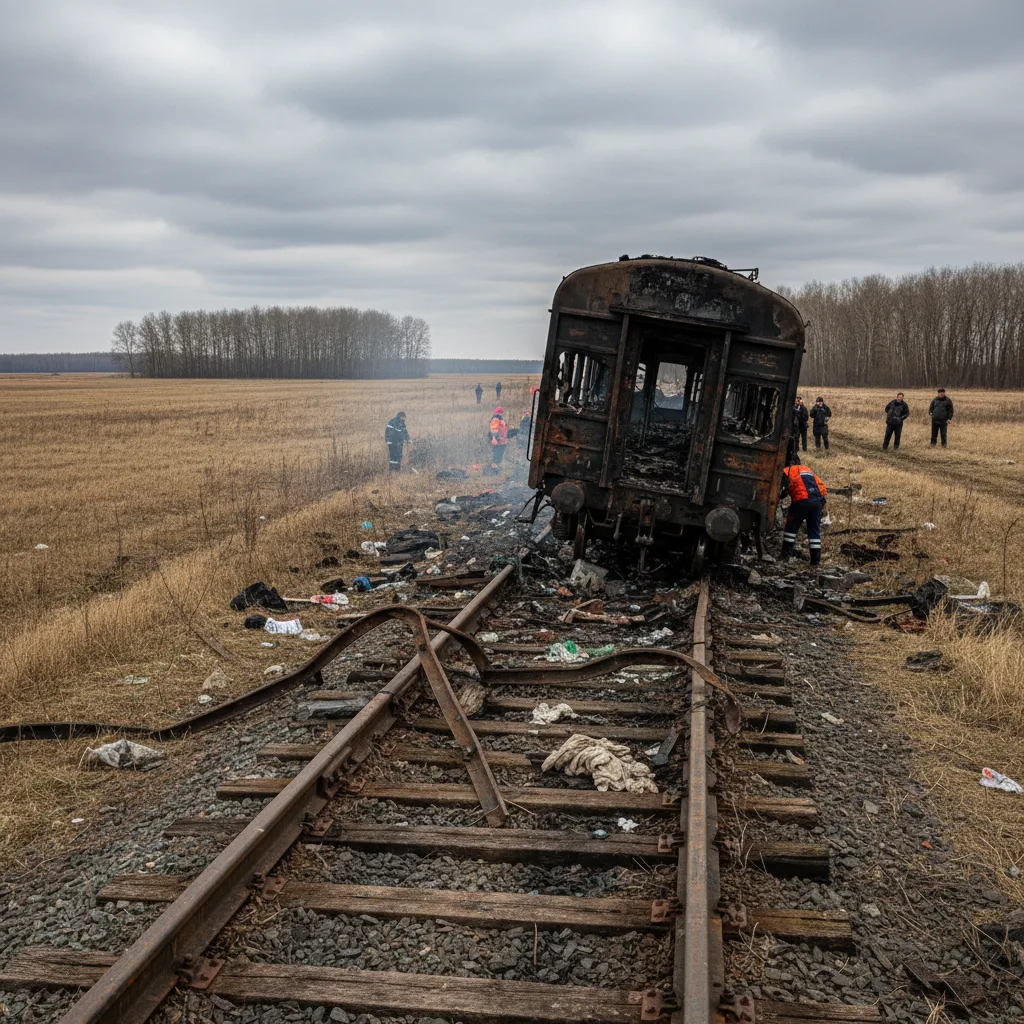
Russian Drone Strikes Ukraine Train After Johnson Visit, Global Alarm Rises 2026
A Russian drone struck a Ukrainian train after Boris Johnson passed through, fueling global alarm. Queens residents watch the impacts of distant conflicts.
Indonesian Ferry Disaster Leaves About 130 Missing in Java Sea
An Indonesian ferry sank in bad weather in the Java Sea, leaving about 130 missing. Cross Bay Boulevard residents express sympathy and concern over travel safety.
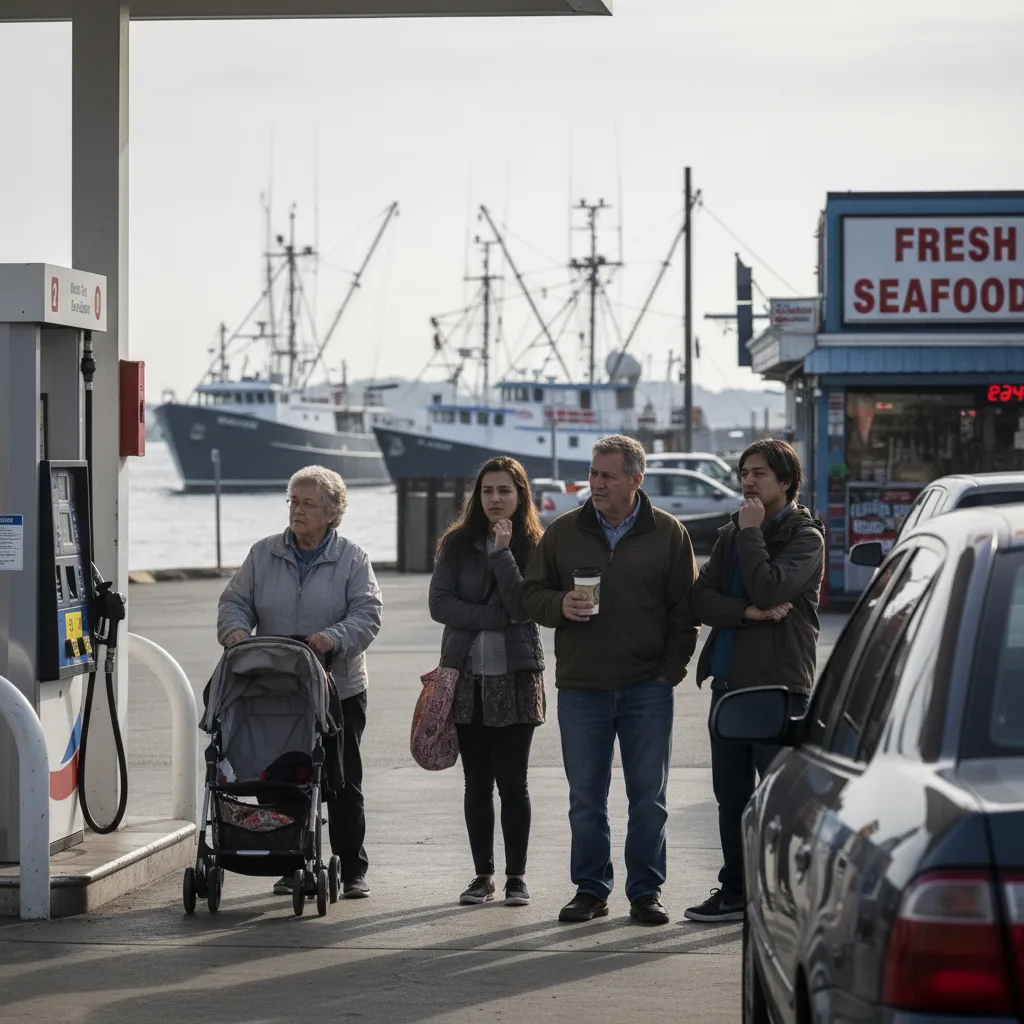
Iranian Commercial Vessel Struck in Strait of Hormuz, One Killed
An Iranian commercial vessel was struck in the Strait of Hormuz, killing one. Cross Bay Boulevard residents fear higher gas prices and shipping delays.
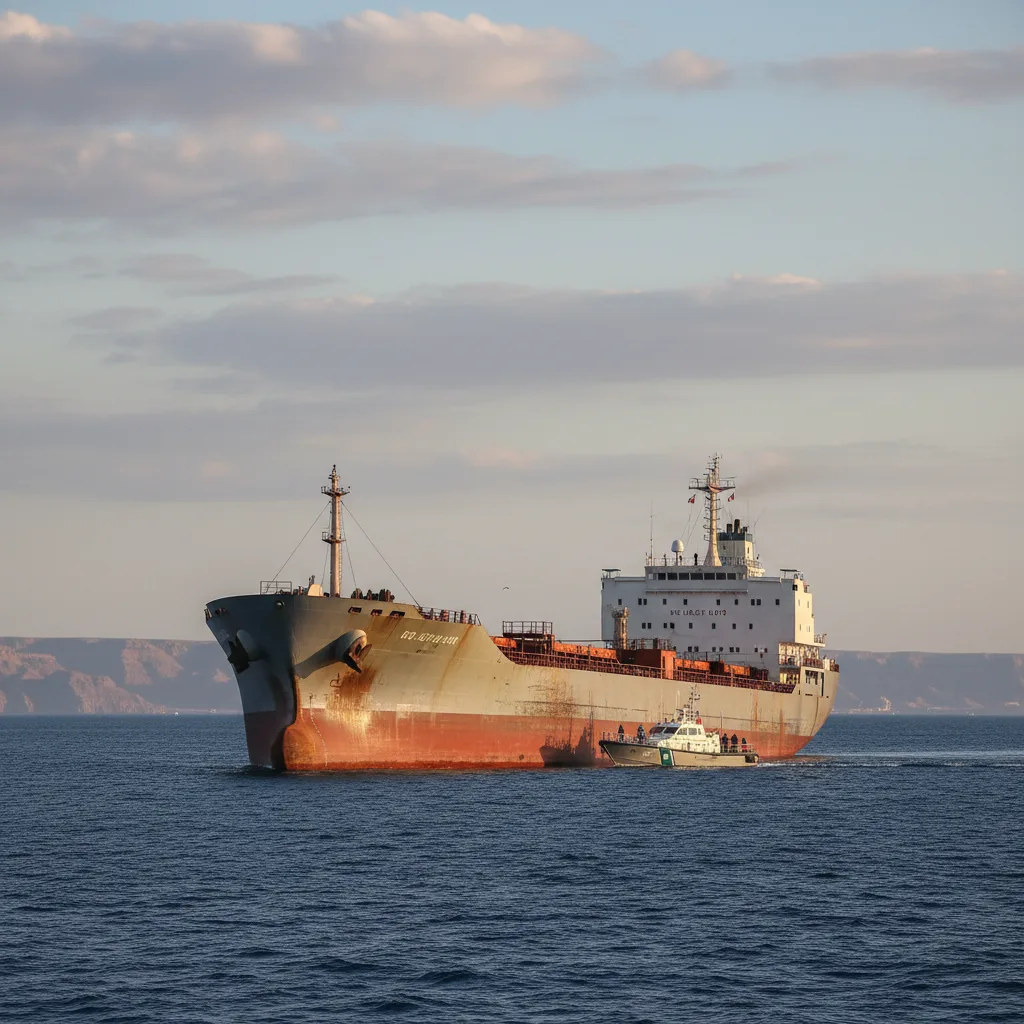
Merchant Vessel Struck Near Iran, One Fatality Reported
A merchant vessel was struck near Iran’s Strait of Hormuz, killing one and injuring three. The incident raises local concerns about gas prices and shipping disruptions.
Cross Bay Boulevard Residents Anxious Over Zelenskyy Drone Incident
Cross Bay Boulevard residents react with anxiety and fatigue after Ukrainian President Zelenskyy's plane nearly hit by a drone near Moldova.