


Queens Commuters Fear Oil Price Surge as Hormuz Dispute Continues

NEW YORK — Queens residents, particularly those who commute daily across Cross Bay Boulevard, are growing increasingly anxious about surging oil prices and potential long-term inflation. This concern stems from the ongoing international dispute over the Strait of Hormuz, a critical global shipping lane now at the center of diplomatic tensions.
President Trump's call for an international coalition to secure the strait, which handles 20% of the world's oil supply, has highlighted the vulnerability of global energy markets. Japan and Australia have notably declined to deploy naval vessels, complicating efforts to stabilize the region, according to reports from Admis Global News. Crude oil prices have already exceeded $100 per barrel, directly threatening the financial stability of many Queens households.
Cross Bay Commuters Eye Rising Fuel Costs
For thousands of Queens residents, Cross Bay Boulevard is a vital artery for daily commutes to work, school, and essential services. The prospect of sustained high fuel costs directly impacts their household budgets. Many residents are already adjusting spending habits in anticipation of further price hikes at local gas stations.
Taxi drivers and delivery services operating within the Cross Bay Boulevard corridor are among the most immediately affected, as fuel is a primary operating expense. These services are actively considering implementing fuel surcharges to offset increased costs, which would then ripple through the local economy. The pressure is mounting on families and small businesses alike to absorb or pass on these additional expenses.
Strait of Hormuz: A Global Economic Lifeline
The Strait of Hormuz serves as the world's most important oil transit choke point, connecting the Persian Gulf to the open ocean. Its strategic significance means any disruption has immediate and far-reaching consequences for global energy markets and, by extension, local economies worldwide. The current diplomatic standoff and military posturing are creating unprecedented uncertainty for oil supplies.
Disruptions here can lead to rapid price spikes and supply shortages, impacting countries far from the Middle East. The U.S. and its allies are concerned about maintaining freedom of navigation, while regional players exert influence over the critical waterway. This global vulnerability directly translates to local economic pressure for Queens residents and businesses dependent on affordable energy prices.
Diplomatic Tensions and Oil Market Volatility
President Trump's recent demands for a multinational naval presence in the Strait of Hormuz underline the severity of the crisis. His threat to delay a summit with Chinese President Xi Jinping if China doesn't assist in reopening the waterway further underscores the diplomatic urgency. These high-stakes negotiations and military positioning contribute to extreme volatility in the global oil markets, with prices fluctuating based on every new development.
The global energy markets are responding with heightened sensitivity, translating minor diplomatic incidents into significant price movements. This instability makes economic planning difficult for both large corporations and individual consumers in Queens. The continued uncertainty around the Strait of Hormuz means that predictions for future fuel prices remain exceptionally challenging, impacting every sector from manufacturing to transportation and daily consumption.
Local Businesses Plan for Surcharges
Businesses along Cross Bay Boulevard, from local diners to independent delivery services, are grappling with the implications of sustained high fuel prices. Many are contemplating the introduction of fuel surcharges or adjusting their pricing models to maintain profitability. The decision to raise prices is a difficult one, as it could deter customers already feeling the pinch of inflation.
"We're looking at all options, but absorbing these costs isn't sustainable long-term," stated a representative from a local construction company that services the Queens area. "Every trip across Cross Bay Boulevard costs more now." These businesses are actively seeking ways to mitigate the financial burden without compromising service quality or alienating their loyal customer base, highlighting the local economic ramifications of a distant geopolitical crisis.
Community Debates Military vs. Diplomacy
At local community board meetings and within neighborhood social media groups, Queens residents are actively debating the most effective approach to the Strait of Hormuz crisis. Some advocate for more aggressive military solutions to secure global shipping lanes, believing it would quickly stabilize oil markets. Others strongly favor diplomatic approaches, fearing that military action could escalate the conflict further, leading to even greater instability and higher economic costs.
Frustration is palpable among some residents who feel that military obligations abroad could detrimentally affect domestic economic stability and divert resources from local needs. This ongoing public discourse reflects the diverse perspectives within Queens on foreign policy and its tangible impact on daily life. The conversation frequently ties back to how these international decisions directly influence the cost of living and doing business along Cross Bay Boulevard.
Past Energy Crises and Queens Resilience
Queens has weathered past energy crises, demonstrating a resilient capacity for adaptation among its residents and businesses. Historical precedents, such as the oil shocks of previous decades, offer lessons in conservation, resource management, and community support networks. These experiences inform current discussions about preparing for potential long-term economic challenges stemming from the Strait of Hormuz situation.
Local government and community organizations are beginning to explore programs that could offer assistance to vulnerable populations and small businesses. Efforts are focused on ensuring that the community remains informed and prepared, drawing on collective wisdom from past economic downturns. This proactive approach aims to buffer residents against the worst impacts of global market volatility, reinforcing the strength of Queens' local fabric.
Frequently Asked Questions About the Strait of Hormuz Impact
Why are Queens residents concerned about the Strait of Hormuz dispute? Queens residents, especially commuters and those in commercial shipping, are worried about potential oil supply disruptions from the Strait of Hormuz dispute. This could lead to surging fuel prices and increased inflation, impacting daily expenses and business operations.
How does the Strait of Hormuz affect global oil supply? The Strait of Hormuz is a crucial global chokepoint through which 20% of the world's oil supply passes. Any instability or threat to shipping in this strait can cause immediate and significant disruptions to global oil markets, leading to price spikes.
What is President Trump's stance on the Strait of Hormuz? President Trump has called for an international coalition to secure the Strait of Hormuz and has threatened diplomatic consequences, including delaying a summit with China, if cooperation is not met to reopen the waterway.
How are local taxi and delivery services near Cross Bay Boulevard being affected? Taxi drivers and delivery services are already factoring in potential fuel surcharges due to rising oil prices. These businesses rely heavily on fuel, and increased costs directly impact their profitability and service pricing.
What kind of community discussions are happening in Queens about this issue? Community boards and social media groups in Queens are debating whether the U.S. should pursue more aggressive military or diplomatic solutions. Residents are expressing frustration over how military obligations might affect domestic economic stability.
Written by
Newstrix
Cross Bay Current
Related Articles
More in National & World →
Cross Bay Boulevard Residents React to Ukraine War Strikes in Kyiv
Cross Bay Boulevard residents express deep concern and sympathy following Russian strikes in Kyiv and Odesa that injured 13 people.
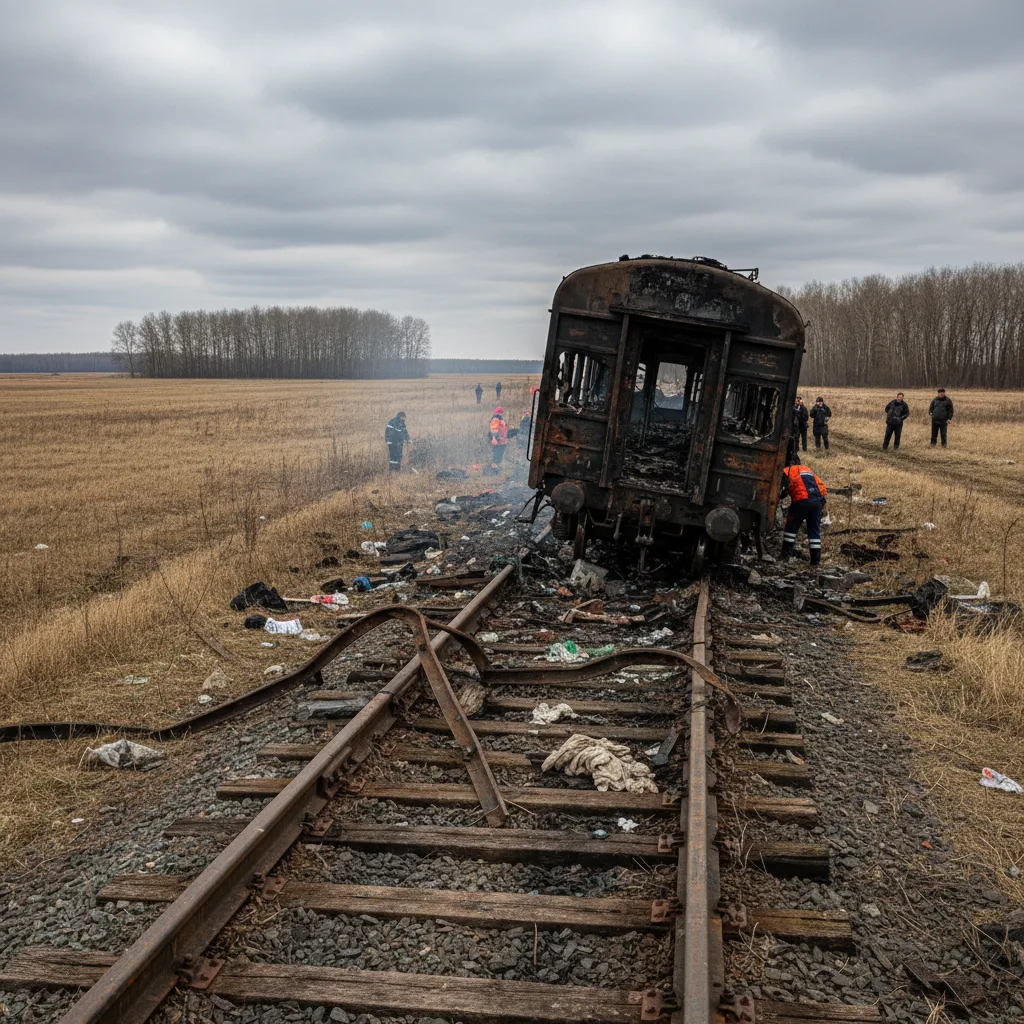
Russian Drone Strikes Ukraine Train After Johnson Visit, Global Alarm Rises 2026
A Russian drone struck a Ukrainian train after Boris Johnson passed through, fueling global alarm. Queens residents watch the impacts of distant conflicts.

Indonesian Ferry Disaster Leaves About 130 Missing in Java Sea
An Indonesian ferry sank in bad weather in the Java Sea, leaving about 130 missing. Cross Bay Boulevard residents express sympathy and concern over travel safety.
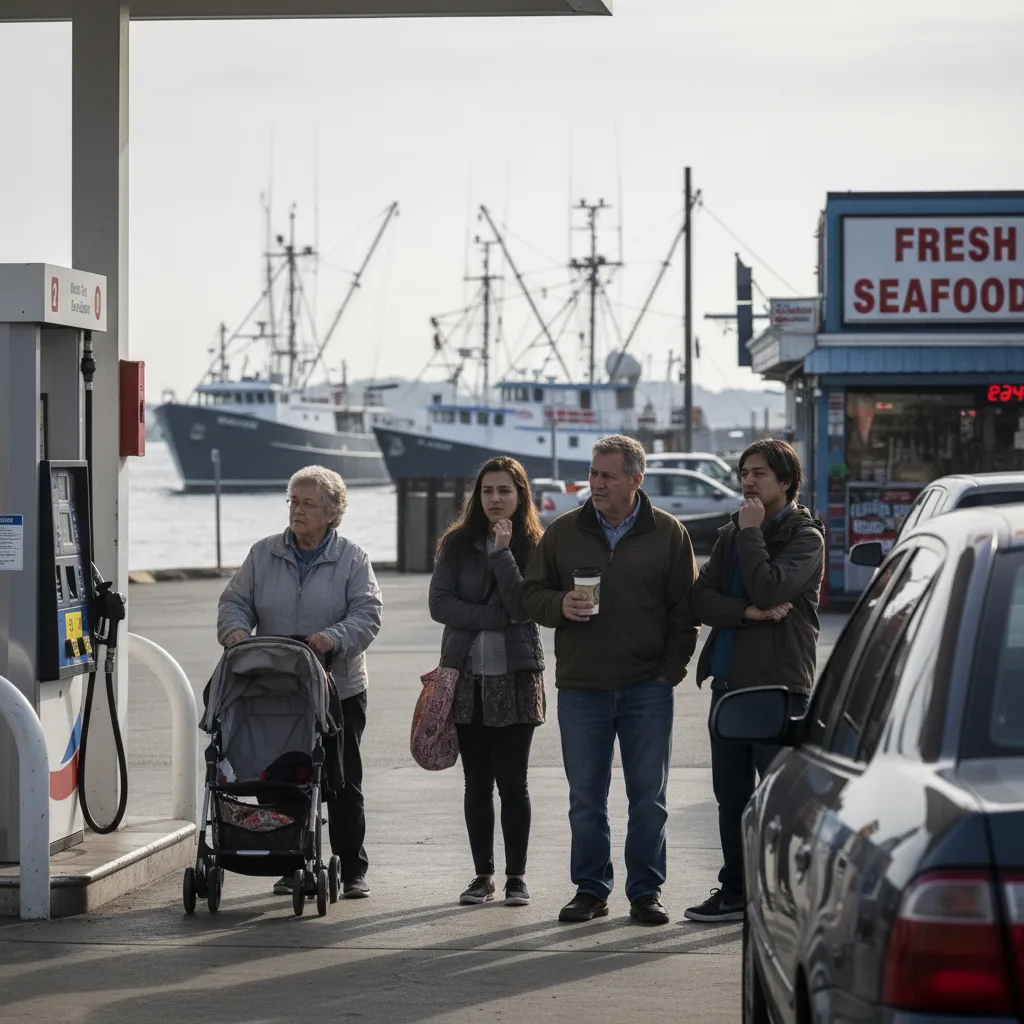
Iranian Commercial Vessel Struck in Strait of Hormuz, One Killed
An Iranian commercial vessel was struck in the Strait of Hormuz, killing one. Cross Bay Boulevard residents fear higher gas prices and shipping delays.
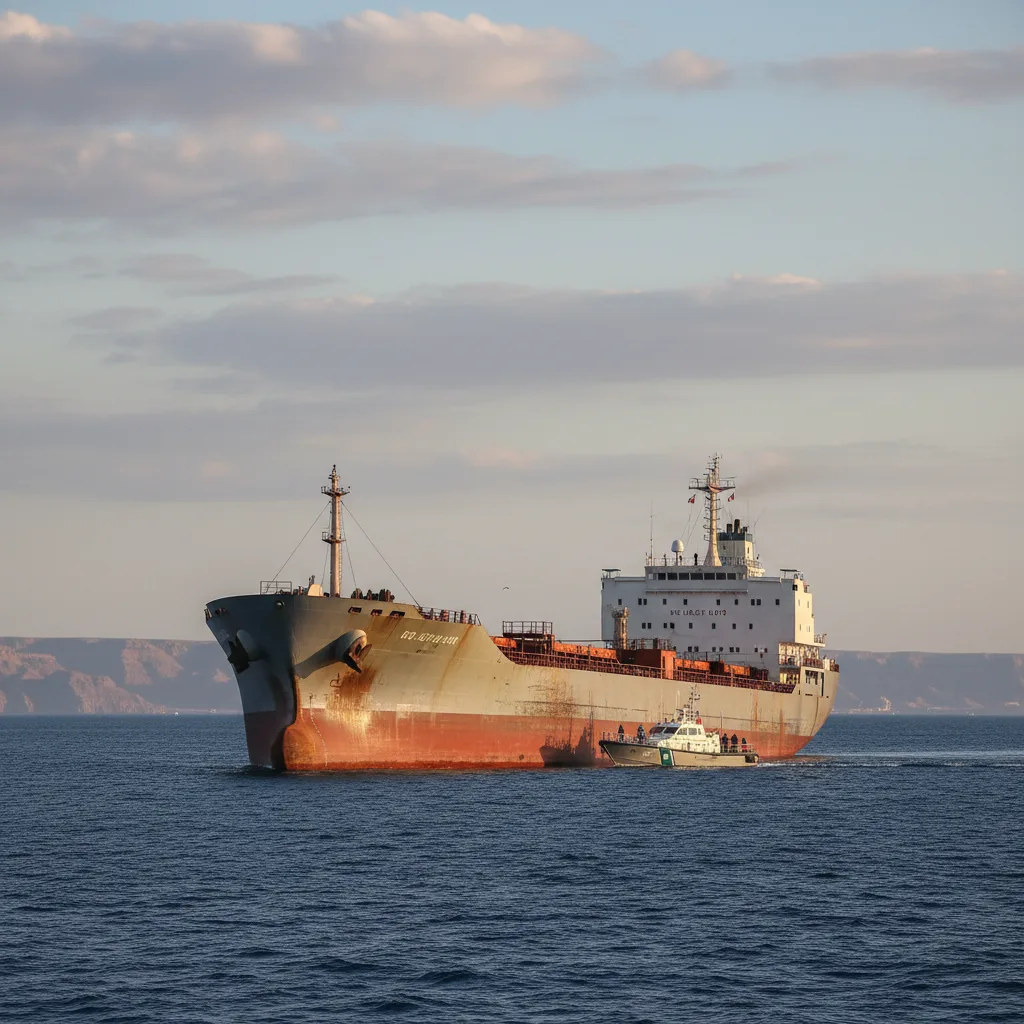
Merchant Vessel Struck Near Iran, One Fatality Reported
A merchant vessel was struck near Iran’s Strait of Hormuz, killing one and injuring three. The incident raises local concerns about gas prices and shipping disruptions.
Cross Bay Boulevard Residents Anxious Over Zelenskyy Drone Incident
Cross Bay Boulevard residents react with anxiety and fatigue after Ukrainian President Zelenskyy's plane nearly hit by a drone near Moldova.