


Queens Daily Eagle Highlights Conservation Efforts Along Cross Bay Boulevard
NEW YORK — More than 5,000 prehistoric horseshoe crabs crawl onto the Jamaica Bay sandy flats each spring, according to reports published by the Queens Daily Eagle. The annual migration has turned the surrounding marshes into a critical hub for local ecological research and community science programs.
Conservationists monitor this unique migration closely because the survival of these ancient marine creatures is directly tied to the health of the local coastal ecosystem. Volunteers walk the sandy shores along Cross Bay Boulevard nightly during the peak spawning season to count and tag the crabs.
Ancient Marine Migrations Draw Urban Naturalists
Under the silver light of the full moon, researchers walk the damp sands of Ruler's Bar Hassock, carefully counting the domed shells glinting in the tide. These field studies help environmental agencies track population health and water quality trends in South Queens.
Data collected during these volunteer patrols is uploaded to a national research database managed by federal wildlife biologists. This localized tracking effort along the busy cross bay boulevard corridor has become one of the most successful community science projects in the metropolitan area.
Coastal Development Pressures Wildlife Along Coastal Marshes
"These creatures have survived five mass extinctions, but modern urban run-off is their greatest threat," said Jamaica Bay Conservancy Director Don Riepe. "We must protect these nesting beaches along the boulevard."
Increased vehicle emissions and plastic waste from nearby commercial zones continue to degrade the delicate intertidal habitats where the crabs spawn. Environmental advocates are pushing for stricter runoff regulations and improved filtration systems near major storm drains.
Educational Initiatives Target South Queens Classrooms
Several Queens public schools have integrated the local horseshoe crab migration into their standard biology curriculums. Students visit the wildlife refuge to participate in hands-on tagging demonstrations led by National Park Service rangers.
Educators believe that teaching young residents about local wildlife fosters a deep sense of environmental stewardship. This curriculum development mirrors broader academic efforts, such as when a severe windstorm triggers forestry audit which was used to teach local students about urban forestry safety.
Environmental Cleanups Mobilize Community Volunteers
Ahead of the spring spawning season, local volunteer groups coordinate massive debris removal efforts along the coastal mudflats. Over three tons of washed-up wood, industrial plastic, and discarded fishing gear are cleared from the nesting zones annually.
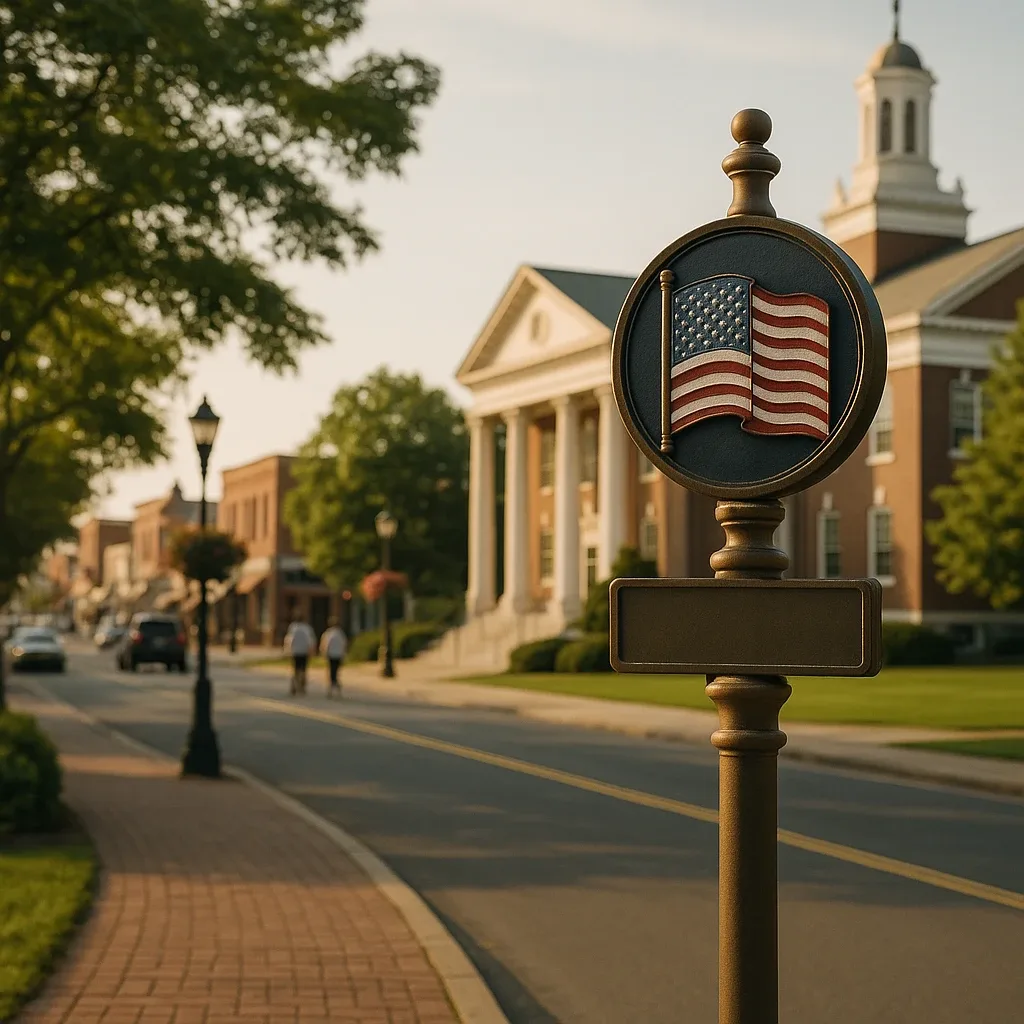
These cleanups ensure that the female crabs can easily navigate the shoreline to deposit their eggs without getting trapped in debris. You can view the Queens Daily Eagle tag on Cross Bay Boulevard to read more about upcoming community environmental cleanups.
Funding Secured for Jamaica Bay Wetland Restoration
Federal agencies recently allocated a 1.2-million-dollar grant to restore degraded marsh islands adjacent to the boulevard. The restoration project will use clean dredged sand to rebuild eroding shorelines and plant native saltmarsh grasses.
This funding represents a long-term commitment to preserving the ecological buffer that protects South Queens neighborhoods from severe tidal flooding. Engineers hope the completed restoration will provide a more stable habitat for both migrating birds and marine life.
Frequently Asked Questions
Why are horseshoe crabs considered an essential species for the Jamaica Bay ecosystem?
Horseshoe crab eggs are a critical food source for thousands of migrating shorebirds, such as the red knot, which stop in Queens to refuel during their journeys. Additionally, their blue, copper-based blood contains a unique clotting agent used by medical researchers to test vaccines for bacterial contamination.
How can residents volunteer for the annual beach cleanups and crab tagging programs?
Interested residents can sign up directly through the Jamaica Bay Conservancy website or visit the Gateway National Recreation Area visitor center. Training sessions are held in late April, and volunteers are provided with measuring calipers, data sheets, and tagging equipment.
Written by
Newstrix
Cross Bay Current
Related Articles
More in Environment →
Cross Bay Boulevard Residents Connect Bangkok Flooding to Local Concerns
Queens residents on Cross Bay Boulevard link Bangkok's flood disaster to their own local concerns about storm drains and neighborhood flood preparedness.
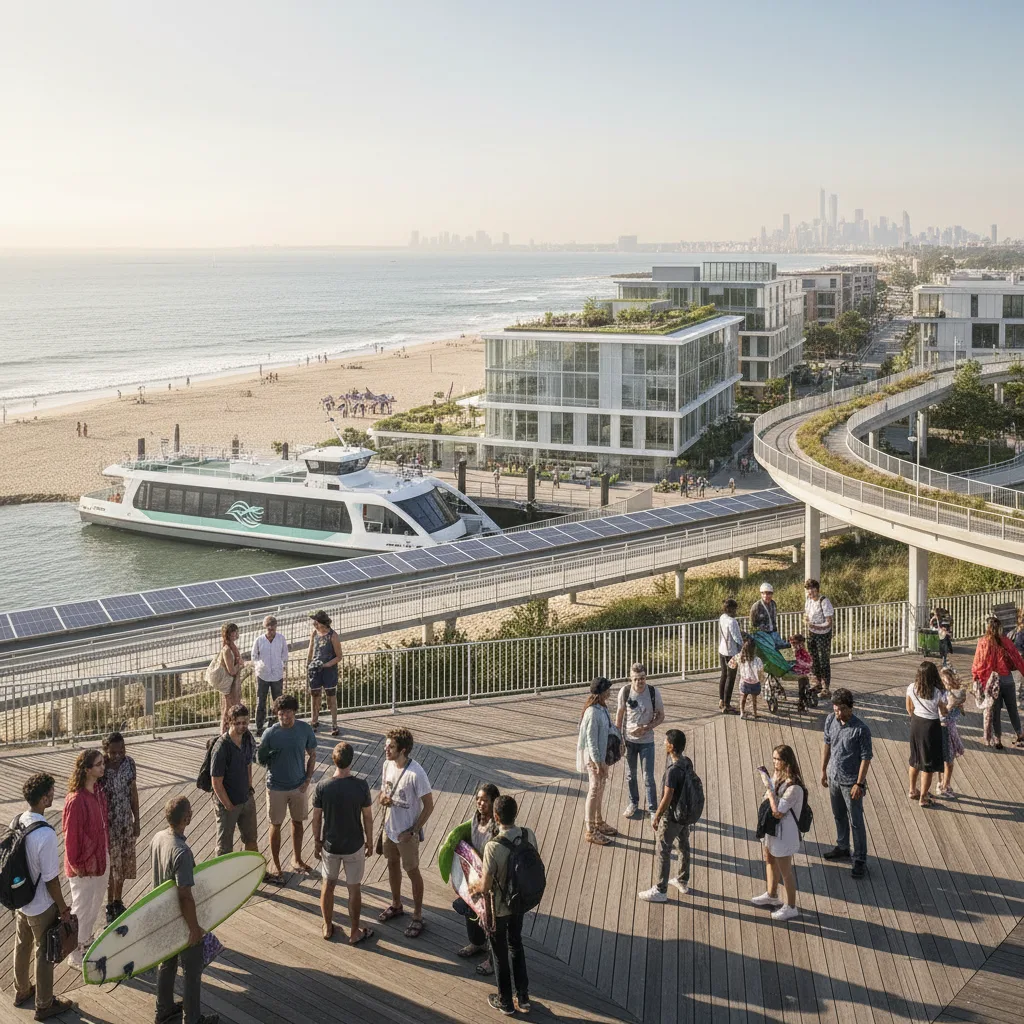
Your Essential Guide to the Rockaway Ocean Club in 2026
Discover what to expect at the Rockaway Ocean Club in 2026, a vibrant beachfront hub in Queens with dining, events, and community activities.
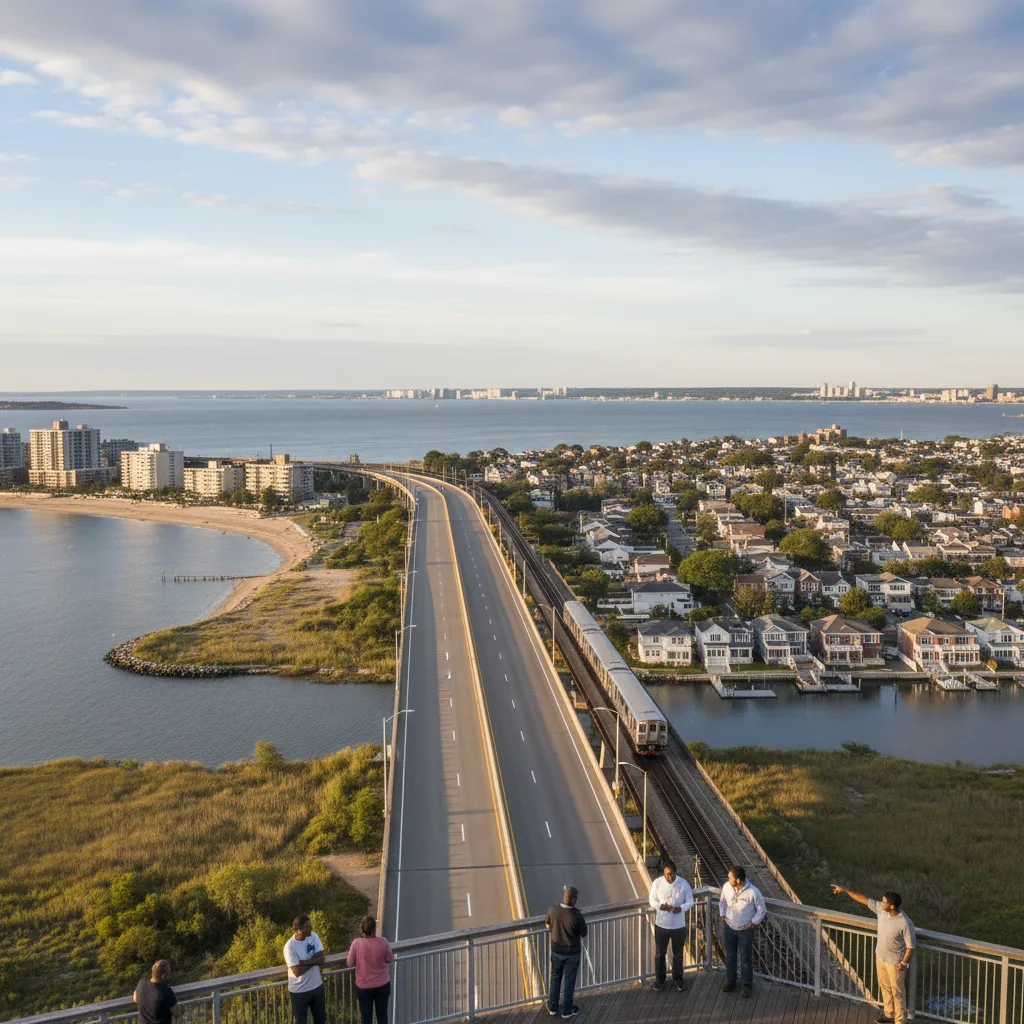
Is Howard Beach in Queens or Brooklyn? A Comprehensive Guide to This Unique NYC Neighborhood
Is Howard Beach in Queens or Brooklyn? Discover the definitive answer: Howard Beach is a vibrant Queens neighborhood with unique coastal charm.
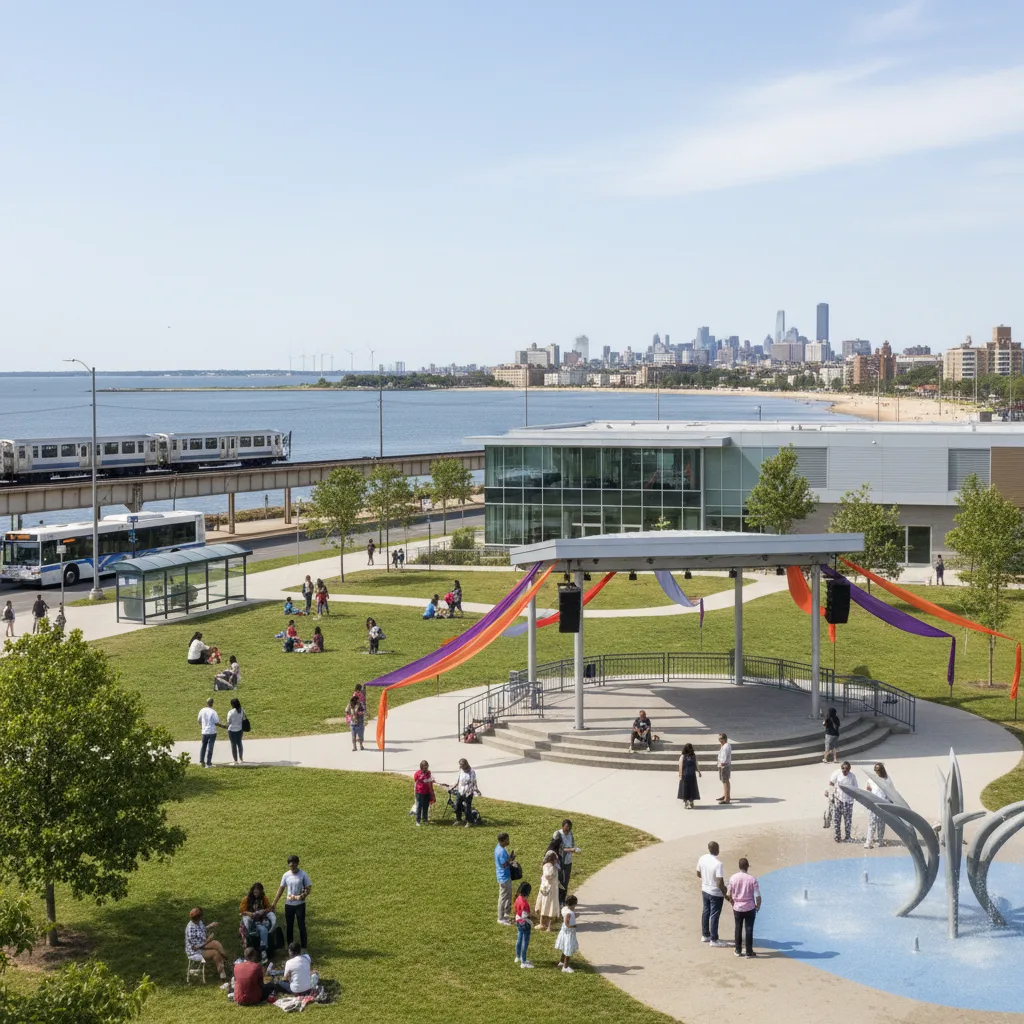
Your Essential Guide to Roy Wilkins Park Events in 2026
Discover the essential guide to Roy Wilkins Park events in 2026, featuring concerts, festivals, sports, and nature programs for South Queens residents.
Is Howard Beach in Queens? An Essential Guide to This Vibrant NYC Neighborhood
Discover if Howard Beach is in Queens, NYC, and explore this vibrant neighborhood's unique geography, community, lifestyle, and local attractions.
Your Guide to Enjoying All Things Go Festival in 2026
Plan your 2026 All Things Go Festival experience from Queens with our comprehensive guide, covering tickets, travel, and what to expect.