


Queens Daily Eagle Features Unique Horseshoe Crab Extinction Tale

QUEENS, NEW YORK — The Queens Daily Eagle, a prominent local news outlet, has captivated readers with a unique narrative titled “The Last Horseshoe Crab.” This fictional story, published on April 15, 2026, explores the imaginative premise of a horseshoe crab awakening after the asteroid impact that led to the extinction of dinosaurs. The tale, while whimsical, carries undertones of environmental resilience and the deep history embedded in Queens' natural landscapes, particularly relevant to communities near Cross Bay Boulevard and Jamaica Bay.
"We wanted to tell a story that connects deeply with Queens' unique ecological heritage, even through a fantastical lens," explained Sarah Jenkins, Managing Editor at the Queens Daily Eagle, during a recent interview. "Horseshoe crabs are living fossils, and their presence in Jamaica Bay is a testament to the enduring natural world right in our backyard. This narrative highlights the importance of preserving these ancient species, which are often overlooked." The story, penned by local author and educator Dr. Evelyn Reed, quickly became one of the paper's most shared online pieces, sparking conversations about local biodiversity and prehistory.
Bridging Prehistory and Queens Ecology
Dr. Reed’s narrative masterfully intertwines scientific fact with imaginative storytelling. The story places the ancient marine arthropod, a species that has existed for over 450 million years, in the contemporary context of Queens. It draws parallels between ancient ecological shifts and modern environmental challenges, prompting readers to consider the long-term impact of human activity on delicate ecosystems like Jamaica Bay.
The Jamaica Bay Wildlife Refuge, a mere stone's throw from Cross Bay Boulevard, is one of the most critical habitats for horseshoe crabs in the Northeast. These creatures play a vital role in the bay’s ecosystem, particularly during their annual spawning season, when they attract migratory shorebirds that feed on their eggs. Environmental advocates often cite the horseshoe crab's plight as a bellwether for the health of coastal environments, which are increasingly threatened by pollution and habitat loss.
Community and Educational Outreach
The Queens Daily Eagle’s article has resonated widely, prompting local schools along Cross Bay Boulevard to incorporate the story into their science and literature curricula. Students at PS 146 in Howard Beach, for instance, are using the narrative to explore topics ranging from paleontology to marine biology. Teachers report increased engagement from students, especially those who visit the nearby Jamaica Bay shoreline and see horseshoe crabs first-hand.
“It’s incredible how a fictional story can open up such rich educational opportunities,” commented Eleanor Vance, a fifth-grade science teacher at PS 146. “The students are not just learning about dinosaurs and asteroids; they’re connecting it to the living creatures right here in their community, creatures that have survived millennia.” The newspaper has received dozens of letters and drawings from young readers, illustrating their interpretations of the horseshoe crab's journey through time. The educational impact extends to local nature centers, which have seen a bump in visitors inquiring about horseshoe crabs and their significance.
The Resurgence of Local Environmental Narratives
This story is part of a broader trend in local journalism to highlight environmental issues through compelling narratives. The Queens Daily Eagle's approach underscores the power of local media to foster a deeper appreciation for the natural world within an urban setting. By focusing on a creature so intrinsically linked to the borough's coastal identity, the article serves as both entertainment and an ecological call to awareness.
The intersection of natural history and local news provides a unique perspective on Queens, often perceived solely as a bustling urban center. This piece reminds readers that underneath the asphalt and concrete, a vibrant and ancient natural world persists. Such storytelling helps residents, particularly those in neighborhoods like Broad Channel and Hamilton Beach along Cross Bay Boulevard, connect with the environmental challenges facing their immediate surroundings. Readers interested in other local environmental stories can explore the Queens Daily Eagle archive.
The Future of Horseshoe Crab Conservation
Conservationists and local environmental groups continue to advocate for stronger protections for horseshoe crabs in Jamaica Bay. Efforts include habitat restoration projects, public awareness campaigns, and advocating for reduced harvesting. The species faces threats from overharvesting for its blood, used in biomedical testing, and habitat degradation. The Queens Daily Eagle story, through its imaginative narrative, implicitly highlights these ongoing struggles and the necessity of continued conservation.
The unique biology of horseshoe crabs, including their bright blue blood and ability to survive extreme conditions, makes them a subject of continuous scientific study. Their role as a keystone species in coastal ecosystems makes their survival critical for the health of Jamaica Bay and beyond. Public awareness sparked by stories like “The Last Horseshoe Crab” is a vital component of ensuring a sustainable future for these ancient mariners.
Frequently Asked Questions About Horseshoe Crabs in Queens
Are horseshoe crabs actually found in Queens? Yes, horseshoe crabs are abundant in the intertidal zones of Jamaica Bay, which borders neighborhoods like Howard Beach and Broad Channel, accessible via Cross Bay Boulevard. They are particularly visible during their spawning season in late spring and early summer. Why are horseshoe crabs important to the local ecosystem? They are considered a keystone species. Their eggs are a crucial food source for migratory shorebirds, and their presence indicates a healthy marine environment. What is being done to protect horseshoe crabs in Jamaica Bay? Conservation efforts include habitat preservation, monitoring of populations, and educational initiatives. Some areas within Jamaica Bay have specific regulations to protect spawning grounds.
Written by
Newstrix
Cross Bay Current
Related Articles
More in Environment →
Queens Residents Discuss Nepal-China Flood Devastation
Queens residents on Cross Bay Boulevard discuss Nepal-China floods, drawing parallels to local concerns over flood-prone areas and storm preparedness.
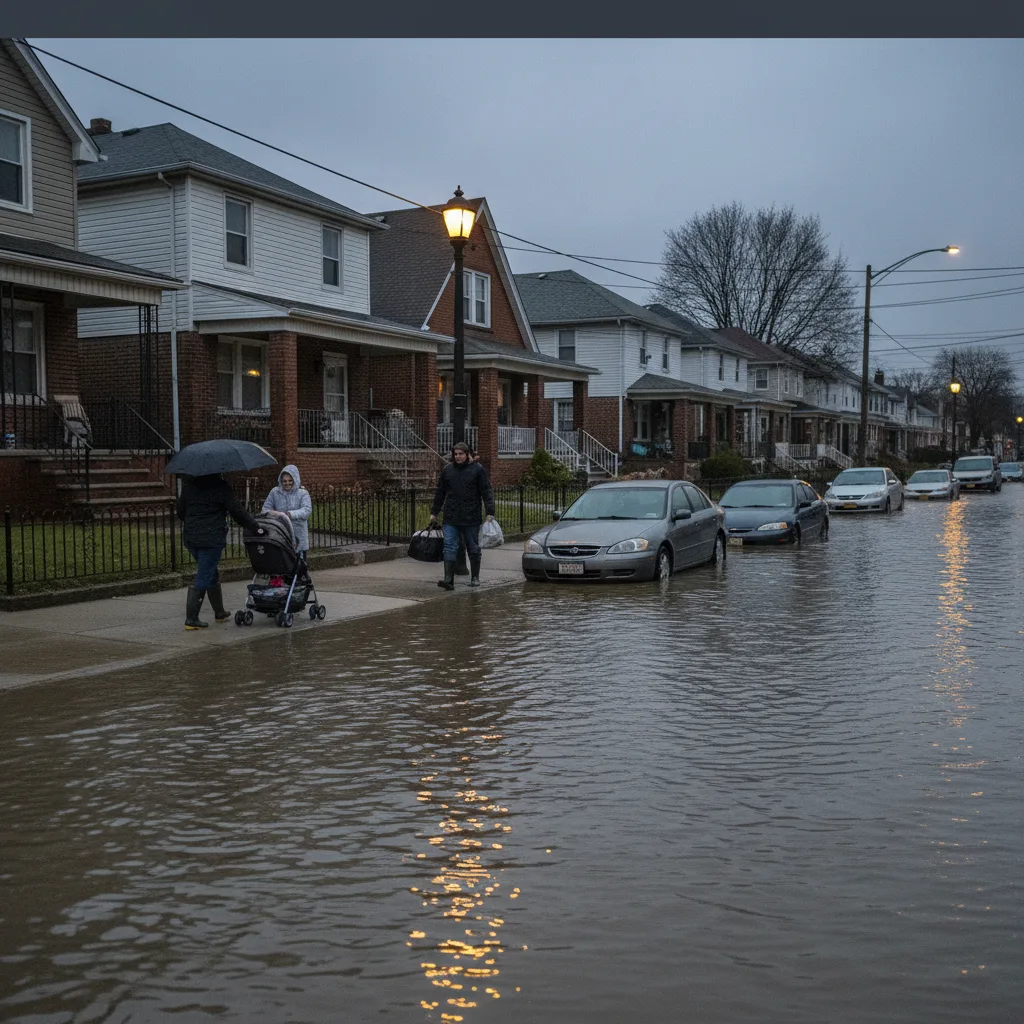
Howard Beach Tackles Rising Tides, Coastal Flooding Concerns 2026
Howard Beach is battling rising tides and coastal flooding this week, as full and new moons combine with rain to inundate neighborhoods like Old Howard Beach, Queens. The community mobilizes against the ongoing water challenges.
Cross Bay Boulevard Residents Discuss Global Flood Preparedness
Cross Bay Boulevard residents are discussing the Nepal-China floods, prompting local concerns about flood preparedness and NYC's infrastructure in coastal areas.
Cross Bay Boulevard Families Concerned Over Nepal Flood Casualties
Queens residents along Cross Bay Boulevard are deeply concerned about the Nepal-China flood disaster, prompting local discussions on emergency preparedness and infrastructure.
Queens Neighborhoods Targeted for Voluntary Flood Buyout Programs
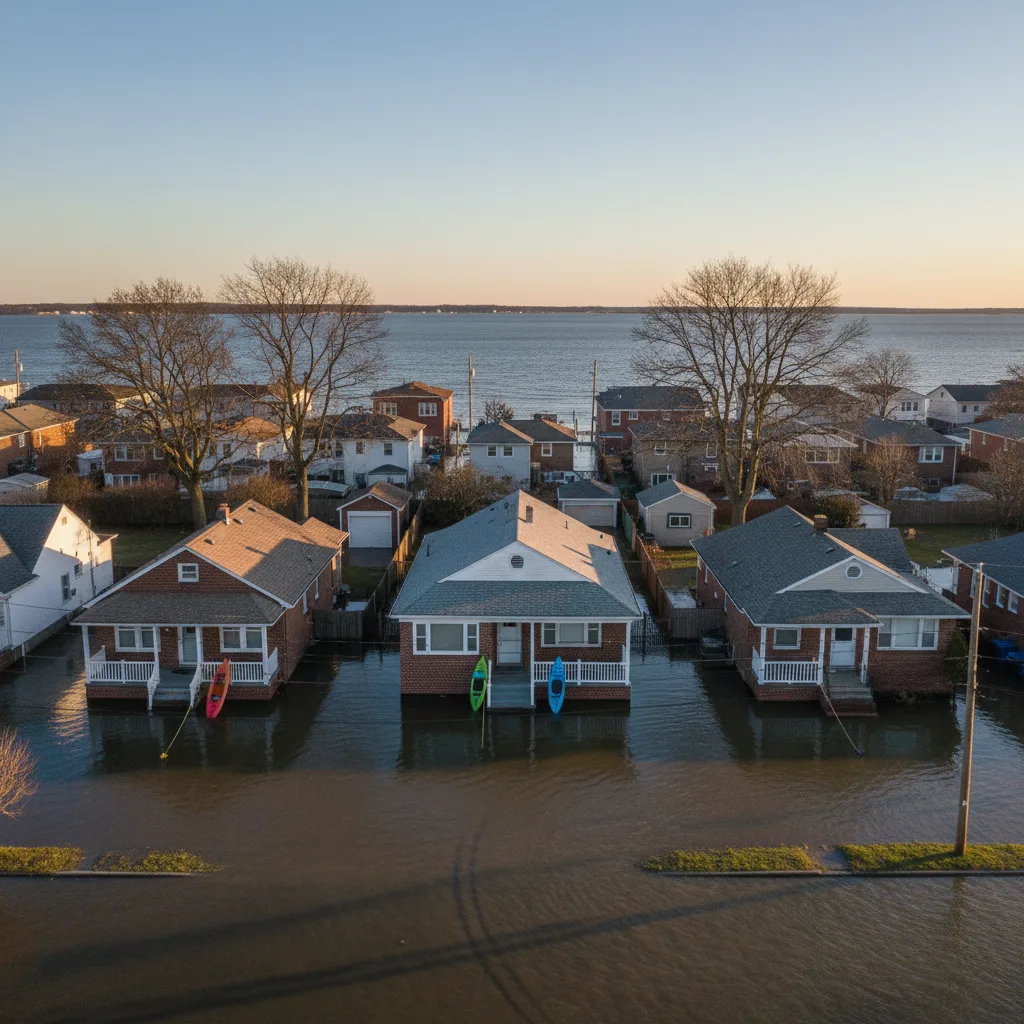
Vulnerable Queens neighborhoods, including those along Cross Bay Boulevard, may be targeted for voluntary flood buyout programs by the city. This addresses rising extreme weather concerns.
Environmental Concerns Emerge Near Cross Bay Boulevard, Queens 2026
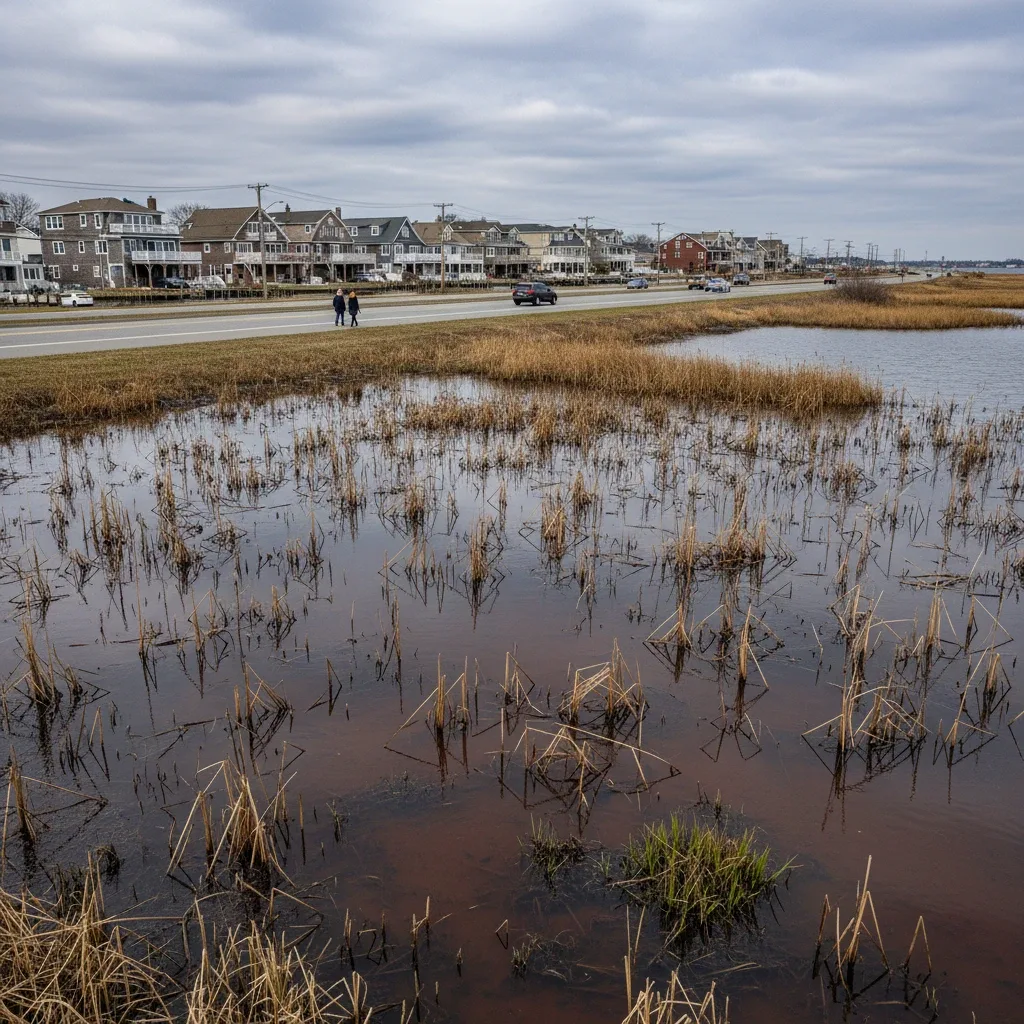
A report by New York Focus and Queens Daily Eagle uncovered pressing environmental concerns near Cross Bay Boulevard, affecting residents and ecosystems in Queens.