


Queens Residents Reflect on Japan Bear Attack Amid Urban Wildlife Concerns

NEW YORK — Japan’s confirmation of its first fatal bear attack of 2026, alongside two other suspected incidents, has prompted Queens residents along Cross Bay Boulevard to reflect on urban wildlife encounters and park safety, particularly near expansive green spaces like Gateway National Recreation Area. The global headlines serve as a poignant reminder that human-animal conflicts are increasing worldwide, often due to habitat encroachment and climate shifts.
The incident in Japan, which follows a record 13 bear-related deaths in 2025, has become a talking point at local establishments like Bread & Butter Billiards. Many residents with ties to outdoor hobbies are swapping stories about avoiding aggressive animals in local parks, including sightings of coyotes and deer in Floyd Bennett Field and nearby marshlands.
Global Incident Sparks Local Dialogue
The discussions among Queens residents underscore a growing awareness of the proximity of wildlife, even within a bustling urban environment. While bears are not a common threat in New York City, the reports from Japan spark caution and a desire for knowledge about safe practices. Parents at the playground near Cross Bay Veterans Memorial are visibly more cautious, often reminding children about the importance of not approaching unfamiliar animals, especially after viral videos of bear encounters circulate online.
“It’s a different kind of animal, but the principle is the same – we need to respect their space,” commented Maria Sanchez, a Broad Channel resident, while watching her children play. She noted recent deer sightings on residential streets in Broad Channel, linking them to broader issues of urban expansion and animal habitats. The incident acts as a wake-up call for enhanced urban wildlife awareness.
Urban Wildlife in Queens: Deer, Coyotes, and Education
Queens, particularly its southern portions bordering Jamaica Bay, is home to a surprisingly diverse range of wildlife, including numerous deer populations, foxes, and even coyotes. These animals are frequently spotted in Gateway National Recreation Area, including areas like Jacob Riis Park and Floyd Bennett Field, which are popular recreational spots for Cross Bay Boulevard residents.
Local Facebook groups in Howard Beach and Ozone Park are actively sharing tips on how to safely coexist with urban wildlife. Discussions range from securing garbage bins to prevent rodent and raccoon attraction, to specific advice on what to do if encountering a coyote. The National Park Service periodically offers educational workshops on wildlife safety in Gateway National Recreation Area.
Park Safety and Prevention Strategies
Park rangers and urban wildlife experts emphasize several key strategies for minimizing human-animal conflicts. These include never feeding wild animals, keeping pets on leashes, and properly disposing of trash. They also advise carrying a whistle or air horn when hiking in secluded areas, especially at dawn or dusk, when many animals are most active. While bear spray might be discussed on social media, it's not a common recommendation for NYC park users.
“Our goal is always to promote coexistence,” said Ranger David Lee of Gateway National Recreation Area. “Animals are a part of this ecosystem, and understanding their behavior is the first step in avoiding negative interactions.” He highlighted the importance of following posted guidelines and respecting wildlife boundaries. This proactive approach helps to maintain ecological balance and prevent incidents.
The Role of Climate Change and Habitat Loss
The global increase in human-wildlife encounters, as highlighted by the Japan bear attacks, is often attributed to climate change and habitat loss. As natural environments shrink or shift, animals are forced into closer proximity with human populations. This reality affects even urban peripheries like those in Queens, where development continues to encroach on natural marshlands and green spaces.
For residents of communities like Broad Channel, nestled between developed areas and the vast wetlands of Jamaica Bay, the delicate balance between urban expansion and environmental preservation is a constant concern. Protecting these habitats is critical for both human safety and biodiversity. Further details on global wildlife trends can be found via CBS News world coverage.
Frequently Asked Questions About Urban Wildlife Safety in Queens
Why are Queens residents discussing bear attacks in Japan? The fatal bear attacks in Japan have prompted Queens residents, especially those living near large parks like Gateway National Recreation Area, to discuss urban wildlife safety and the increasing frequency of human-animal encounters, even with local animals like deer and coyotes. What kind of urban wildlife is found in Queens parks? Queens parks, particularly those bordering Jamaica Bay such as Floyd Bennett Field and parts of Gateway National Recreation Area, are home to deer, foxes, raccoons, and even coyotes. Bird species are also abundant. How can residents safely coexist with urban wildlife? Residents should never feed wild animals, keep garbage securely contained, and always keep pets on leashes. It’s also advisable to maintain a safe distance from wildlife and report aggressive animals to park authorities or 311. Are there specific safety tips for children in parks? Parents should educate children about not approaching or attempting to feed wild animals. It’s also wise to supervise children closely in parks and teach them to make noise and back away slowly if they encounter an animal that appears aggressive or too close. Where can I find more information on wildlife safety in Queens? The National Park Service offers resources and educational workshops on wildlife safety in Gateway National Recreation Area. Local community boards and online forums, like Cross Bay Current's environmental section, also provide updates and tips on coexisting with urban animals.
Written by
Newstrix
Cross Bay Current
Related Articles
More in Environment →
Cross Bay Boulevard Residents Connect Bangkok Flooding to Local Concerns
Queens residents on Cross Bay Boulevard link Bangkok's flood disaster to their own local concerns about storm drains and neighborhood flood preparedness.

Your Essential Guide to the Rockaway Ocean Club in 2026
Discover what to expect at the Rockaway Ocean Club in 2026, a vibrant beachfront hub in Queens with dining, events, and community activities.
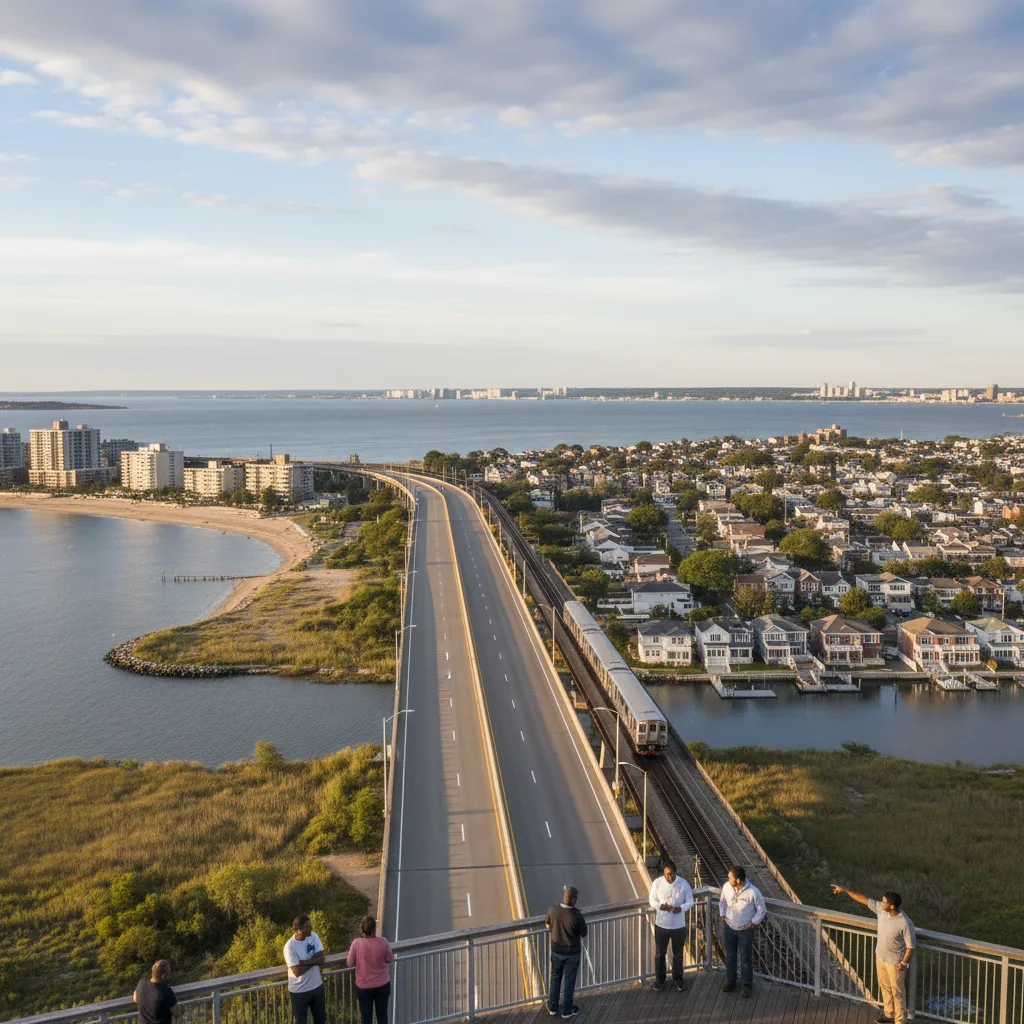
Is Howard Beach in Queens or Brooklyn? A Comprehensive Guide to This Unique NYC Neighborhood
Is Howard Beach in Queens or Brooklyn? Discover the definitive answer: Howard Beach is a vibrant Queens neighborhood with unique coastal charm.
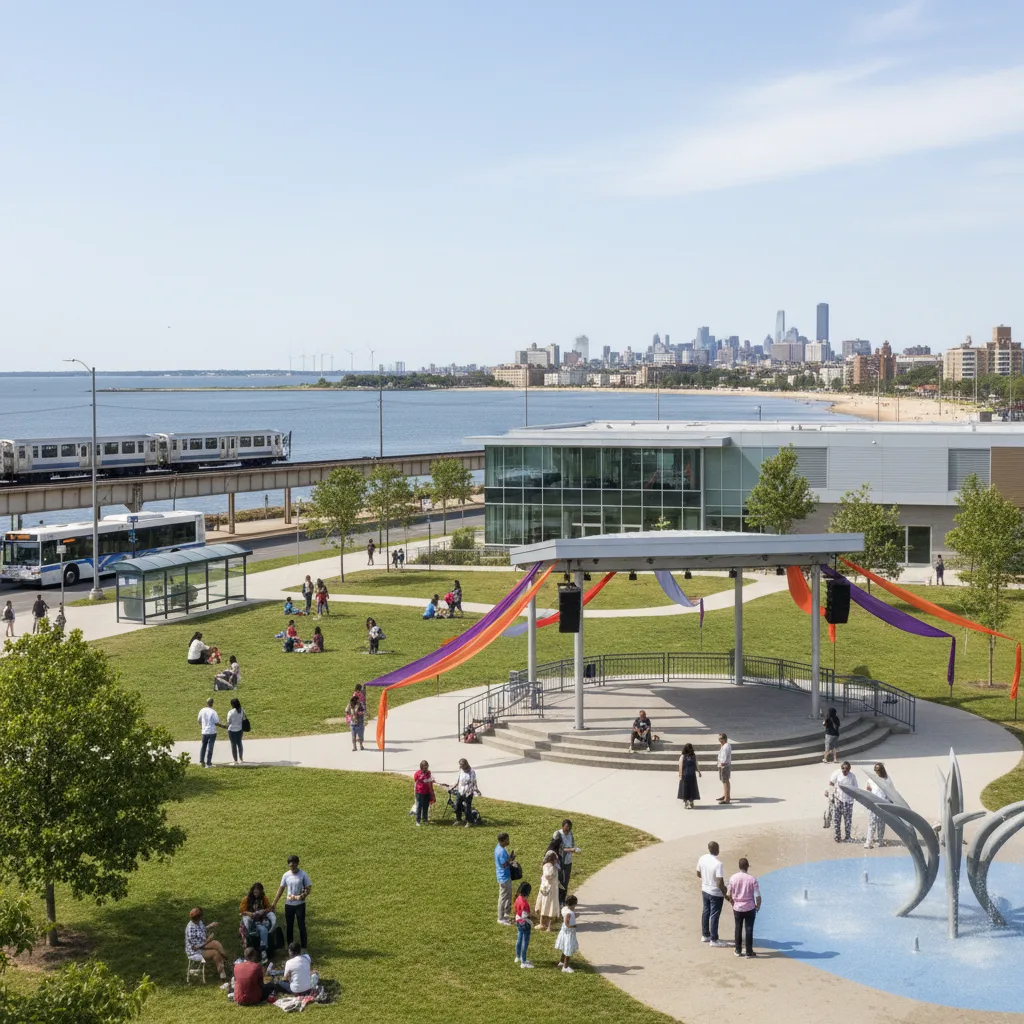
Your Essential Guide to Roy Wilkins Park Events in 2026
Discover the essential guide to Roy Wilkins Park events in 2026, featuring concerts, festivals, sports, and nature programs for South Queens residents.
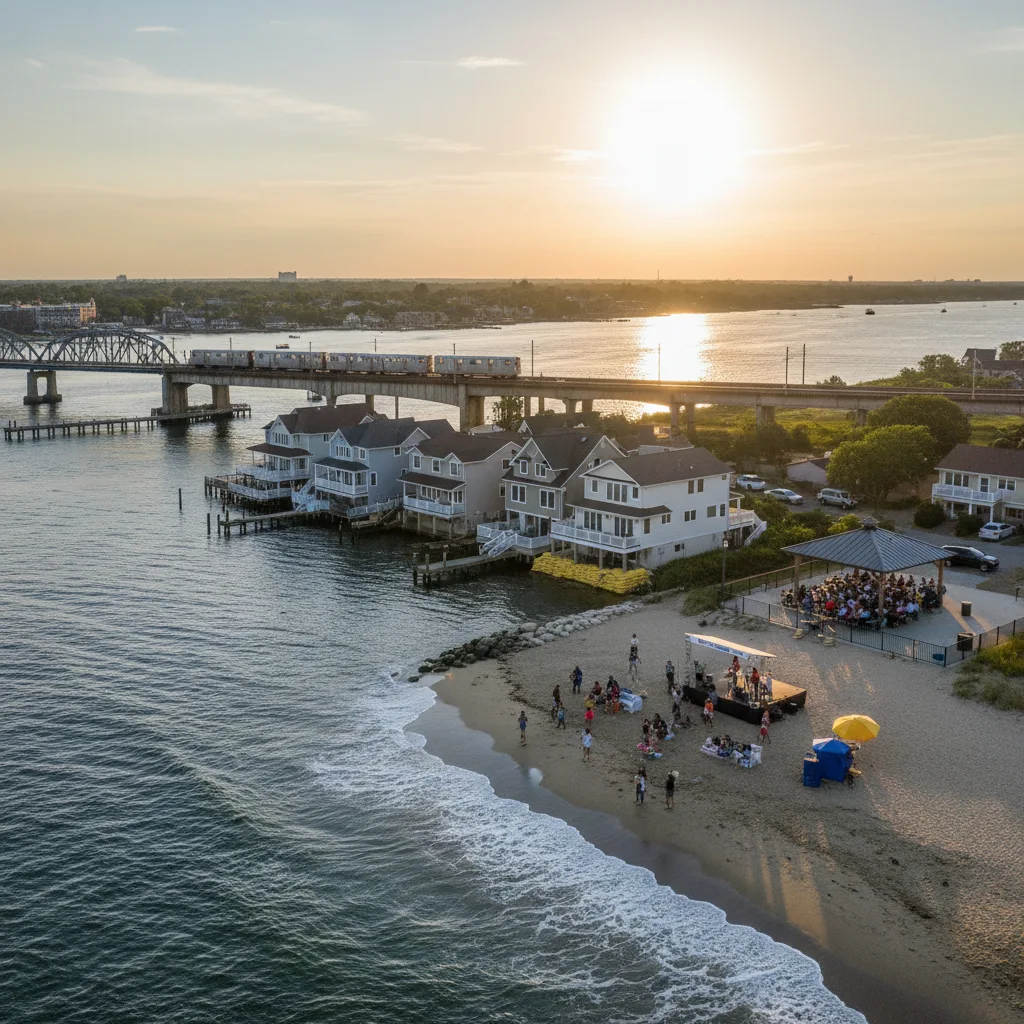
Is Howard Beach in Queens? An Essential Guide to This Vibrant NYC Neighborhood
Discover if Howard Beach is in Queens, NYC, and explore this vibrant neighborhood's unique geography, community, lifestyle, and local attractions.

Your Guide to Enjoying All Things Go Festival in 2026
Plan your 2026 All Things Go Festival experience from Queens with our comprehensive guide, covering tickets, travel, and what to expect.