


Queens Vets React: U.S. to Withdraw 5K Troops from Germany Amid Feud

NEW YORK — The Pentagon’s announcement to withdraw 5,000 U.S. troops from Germany has ignited a heated debate among Queens veterans and military families along Cross Bay Boulevard. This significant military redeployment, a direct consequence of President Trump’s feud with German Chancellor Friedrich Merz over U.S. Iran strategy, is seen by some as a necessary pivot and by others as a destabilizing move for NATO and European security. The decision impacts countless American service members and their families globally.
5,000 Troops to be Redeployed
On Tuesday, October 7, 2026, the Department of Defense confirmed the withdrawal of 5,000 U.S. troops from various bases in Germany over the next six months. This represents a reduction of approximately 17% of the total U.S. military presence in the country. The move comes after months of escalating public spats between President Trump and German Chancellor Merz regarding Germany’s defense spending and its stance on the U.S. Iran nuclear deal. The Pentagon stated the redeployment would allow for a “more flexible global posture.”
Veterans of Foreign Wars (VFW) halls in Lindenwood, a community adjacent to Cross Bay Boulevard, are buzzing with discussion. “Trump’s pulling troops—Merz dissed us, good riddance, but who’s guarding Europe now?” proclaimed John Sullivan, a Vietnam War veteran and member of the Lindenwood VFW Post 2345. His words encapsulate the mixed emotions felt by many, torn between national pride and geopolitical concerns. The financial implications for the troops and their families, including relocation costs and potential housing market changes, are also top of mind.
Local Bars Host Spirited Debates
Irish pubs near Cross Bay Boulevard, traditional gathering spots for many working-class residents and veterans, have become impromptu venues for spirited political debates. Residents argue whether the withdrawal strengthens the U.S. focus on domestic priorities or weakens critical international alliances. Some cheer the “America First” sentiment, believing the troops should return home, while others express deep concern for global stability.
At O’Malley’s Pub, a popular spot near the boulevard, the discussions often turn fiery. “We’ve been propping up Europe for too long,” argued lifelong resident Mike Kelly. “It’s time they paid their fair share.” Conversely, Maria Sanchez, whose son serves in the Air Force, worried, “This just makes the world less safe. What about our allies in Poland and the Baltic states?” The varied opinions reflect the complex nature of foreign policy decisions and their profound impact on communities connected to the military.
Polish-American Groups Voice Concerns
Polish-American groups, a significant demographic in Queens, are particularly vocal about the troop withdrawal. Many have relatives in Eastern Europe and fear that a reduced U.S. presence in Germany could signal a weakening of NATO’s deterrent capabilities against potential aggression in the region. Groups organizing at local parks, such as Forest Park, have voiced their concerns to local elected officials.
“Our families in Poland rely on a strong NATO to ensure their safety,” stated Anna Kowalski, president of the Polish-American Cultural Association of Queens. “Any reduction in U.S. troops in Europe sends the wrong signal.” The association plans to host a public forum next month to discuss the implications of the withdrawal and to lobby state and federal representatives. The sentiment among these groups highlights the interconnectedness of global politics and local community well-being, as reported by Global News here.
Daily Chats Reflect Mixed Feelings
Daily chats at bus stops along Cross Bay Boulevard and local delis reflect a broader mix of feelings. Some residents, weary of endless foreign engagements, support the troop pullout as a way to refocus American resources. Others express anxieties about global instability, worrying that such a significant shift could affect international relations and even local economies reliant on global trade. The withdrawal of 5,000 troops represents a tangible shift in U.S. foreign policy, one that resonates deeply within military communities in Queens.
“It’s a tough call,” admitted George Chen, a retired NYPD officer waiting for the Q53 bus. “You want our guys home, but you also don’t want to leave our allies vulnerable.” This demonstrates the deep moral and strategic dilemmas posed by the decision. The implications for veterans' services and support systems in the local area, especially for those returning stateside, are also being discussed. Military families along Cross Bay Boulevard are particularly impacted by decisions regarding troop deployment.
Political Ramifications and Future Alliance
The troop withdrawal is poised to have significant political ramifications both domestically and internationally. It strains relations with a key NATO ally and signals a potential shift in the U.S.’s long-standing post-World War II commitment to European security. Analysts suggest the move could embolden rivals and force European nations to increase their own defense spending dramatically. The decision has been criticized by numerous former military leaders and diplomats.
Domestically, the debate plays into the broader political narrative around “America First” versus international cooperation, likely becoming a key issue in the upcoming 2026 midterm elections. The administration defends the move as an attempt to make allies bear more of the defense burden. Regardless of the political rhetoric, the tangible impact on thousands of service members and their families, many of whom have ties to Queens, is undeniable.
Frequently Asked Questions about Germany Troop Withdrawal
What is the announced troop withdrawal? The Pentagon announced the withdrawal of 5,000 U.S. troops from Germany over the next six months, representing about a 17% reduction in the current U.S. military presence there.
Why is this withdrawal happening? The withdrawal is attributed to an ongoing public feud between President Trump and German Chancellor Friedrich Merz, particularly concerning Germany’s defense spending and its stance on the U.S. Iran nuclear deal.
How are Queens veterans reacting? Queens veterans along Cross Bay Boulevard have mixed reactions. Some, like those at VFW halls in Lindenwood, express frustration with Germany and support the move, while others worry about weakening NATO and global instability.
What are the concerns of Polish-American groups in Queens? Polish-American groups are particularly concerned that a reduced U.S. presence in Germany could weaken NATO's deterrent against potential aggression in Eastern Europe, directly impacting the safety of their relatives abroad.
What are the broader implications of this decision? The decision strains U.S.-German relations, signals a potential shift in U.S. commitment to European security, and carries significant political ramifications both domestically and internationally, affecting alliances and global stability.
Written by
Newstrix
Cross Bay Current
Related Articles
More in National & World →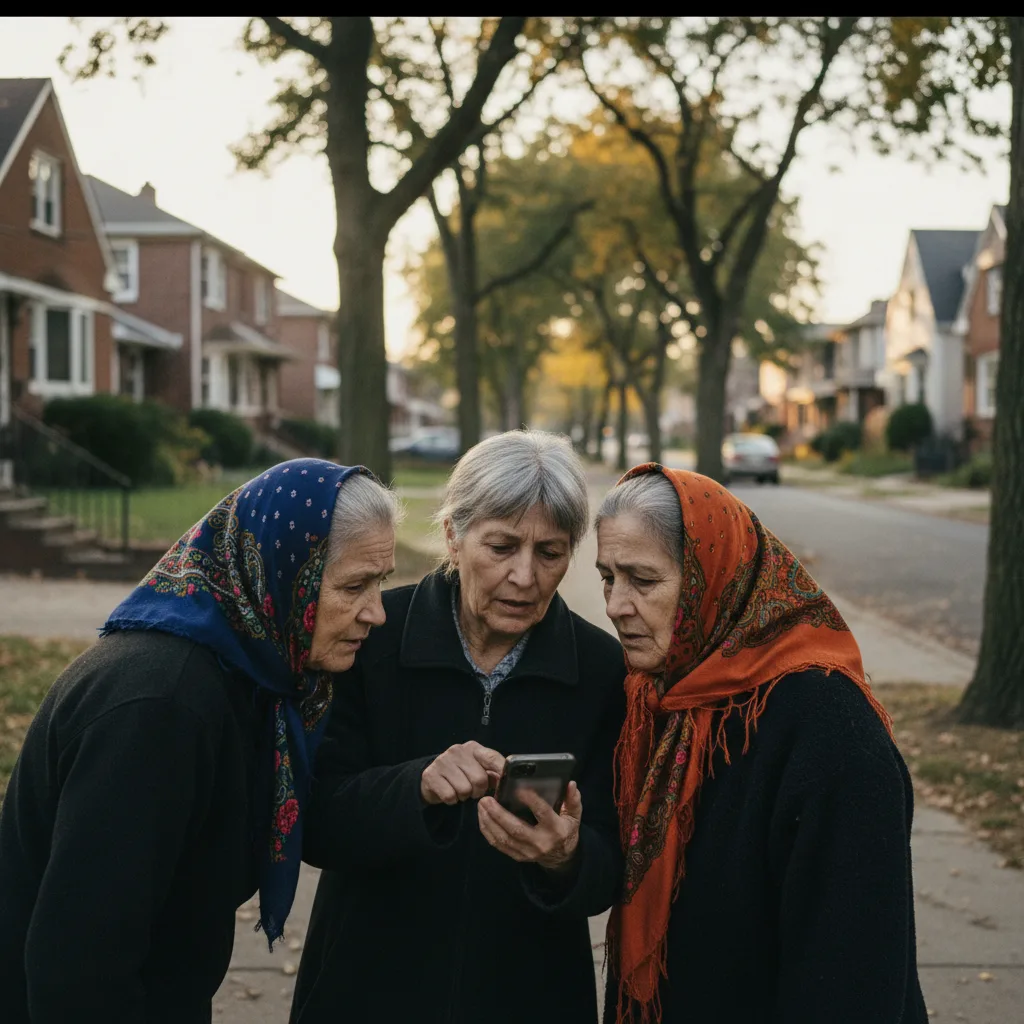
Cross Bay Boulevard Residents React to Ukraine War Strikes in Kyiv
Cross Bay Boulevard residents express deep concern and sympathy following Russian strikes in Kyiv and Odesa that injured 13 people.
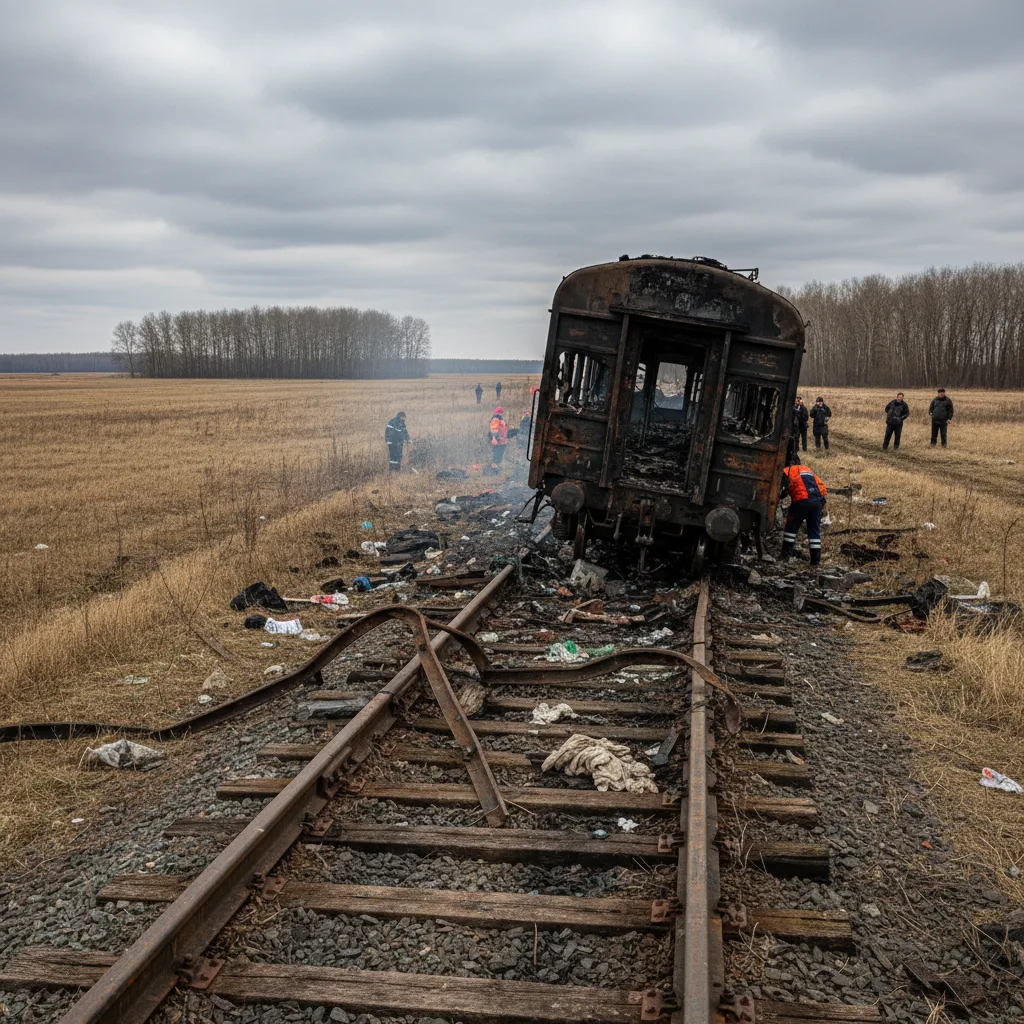
Russian Drone Strikes Ukraine Train After Johnson Visit, Global Alarm Rises 2026
A Russian drone struck a Ukrainian train after Boris Johnson passed through, fueling global alarm. Queens residents watch the impacts of distant conflicts.

Indonesian Ferry Disaster Leaves About 130 Missing in Java Sea
An Indonesian ferry sank in bad weather in the Java Sea, leaving about 130 missing. Cross Bay Boulevard residents express sympathy and concern over travel safety.
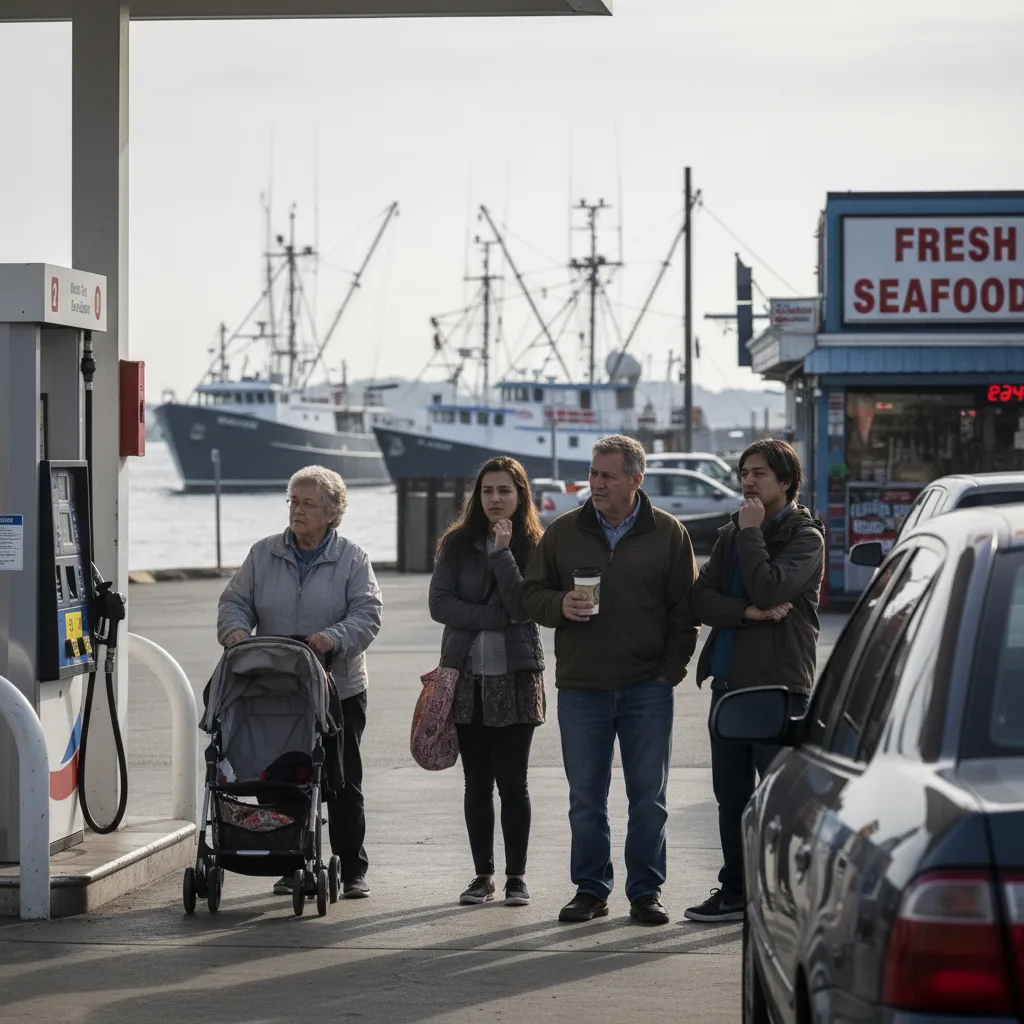
Iranian Commercial Vessel Struck in Strait of Hormuz, One Killed
An Iranian commercial vessel was struck in the Strait of Hormuz, killing one. Cross Bay Boulevard residents fear higher gas prices and shipping delays.

Merchant Vessel Struck Near Iran, One Fatality Reported
A merchant vessel was struck near Iran’s Strait of Hormuz, killing one and injuring three. The incident raises local concerns about gas prices and shipping disruptions.
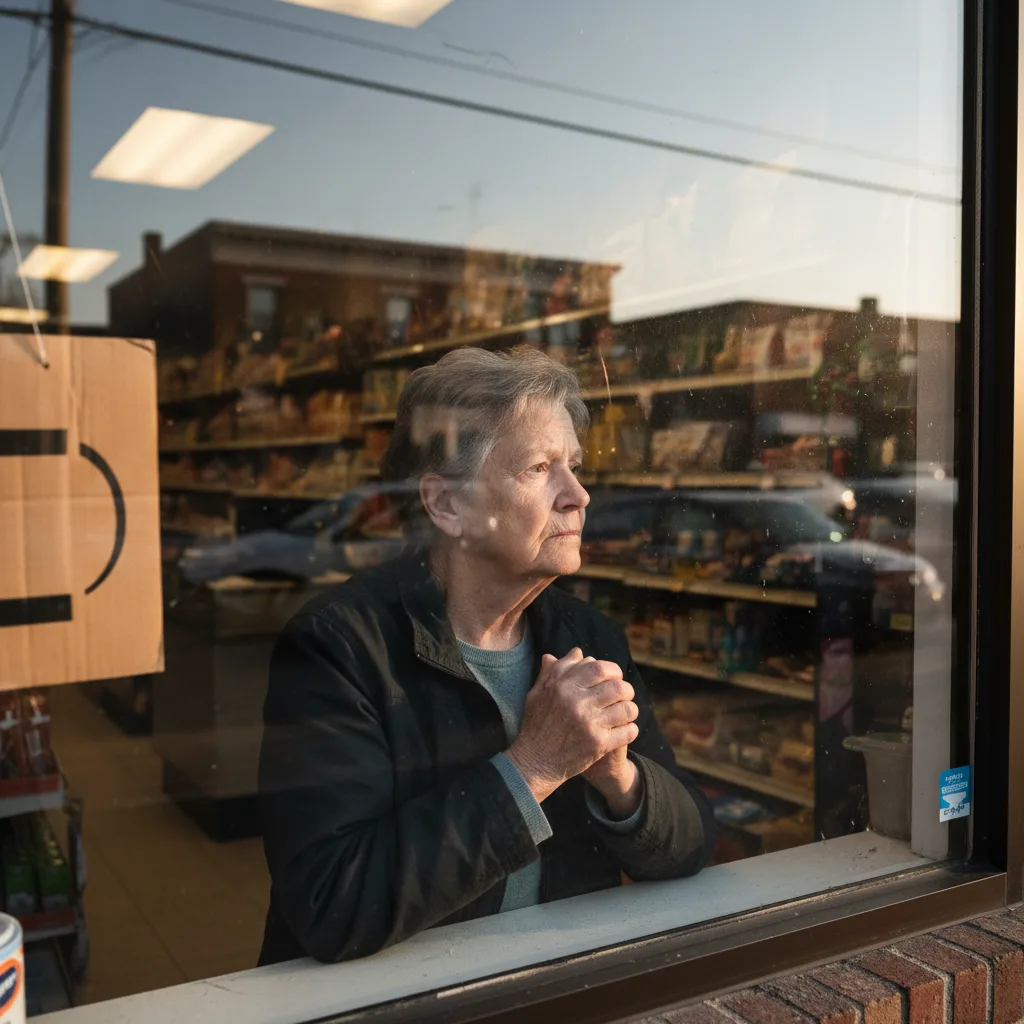
Cross Bay Boulevard Residents Anxious Over Zelenskyy Drone Incident
Cross Bay Boulevard residents react with anxiety and fatigue after Ukrainian President Zelenskyy's plane nearly hit by a drone near Moldova.