


U.S. Sanctions Cuba's President, Officials Amid Renewed Tensions

NEW YORK — "The United States will continue to use every tool at its disposal to pressure the Cuban regime for accountability for its oppressive actions and its disregard for fundamental human rights," stated a U.S. State Department official on March 14, 2026. This declaration accompanied the announcement of new U.S. sanctions targeting Cuba's president and several other high-ranking officials. The move, extensively reported by Global News, marks the latest escalation in Washington's ongoing efforts to pressure the Cuban leadership. These sanctions primarily aim to restrict the financial access and international travel of those identified as undermining democratic processes or engaging in human rights abuses. The specific individuals targeted were not immediately named in public reports, but typically include top government ministers and military figures.
The U.S. Treasury Department confirmed the implementation of these measures, which fall under the Magnitsky Act, designed to target human rights abusers and corrupt actors globally. The sanctions freeze any U.S. assets held by the designated individuals and prohibit American citizens or entities from conducting transactions with them. This action comes amidst continued reports of political dissent suppression and economic hardship within Cuba, which the U.S. administration cites as a key motivator for its firm stance. The timing of these new sanctions suggests a renewed focus on Cuban policy in 2026, building upon previous measures that have seen varying degrees of impact on the island nation. The U.S. position has generally been one of support for the Cuban people, while maintaining pressure on the government.
Details of the Latest Sanctions
The specific details of the sanctions package include financial restrictions that aim to further isolate Cuba's leadership from the international financial system. By designating key officials, the U.S. hopes to limit their ability to conduct business or travel internationally, thereby increasing pressure on the broader government apparatus. This follows a pattern of targeted sanctions rather than a blanket embargo, although the existing U.S. embargo against Cuba remains firmly in place. Global News highlighted that these measures are intended to send a strong message of condemnation regarding recent actions by the Cuban government. The Treasury Department's Office of Foreign Assets Control (OFAC) is responsible for enforcing these complex regulations. Their investigations preceding such announcements are typically thorough, compiling evidence of human rights violations or acts of corruption. The intent is to directly impact those in power rather than the general population, although the effects are often debated.
Critics of such sanctions often argue that they primarily hurt the Cuban people by limiting economic opportunities and access to essential goods, rather than compelling the government to change its policies. Conversely, proponents maintain that these measures are necessary to hold repressive regimes accountable and to support the aspirations of those seeking democratic reforms. The political debate surrounding U.S. policy toward Cuba has been a long-standing one, marked by shifts in approach across different presidential administrations. The latest sanctions are expected to further strain the already tense relationship between Washington and Havana. The U.S. has a history of imposing such measures, including those impacting individuals in Venezuela and Nicaragua, as part of a broader Latin American policy. This move has certainly captured the attention of Queens residents with ties to Cuba.
Impact on Regional Politics and Diaspora Communities
The imposition of new sanctions on Cuba's president and officials carries significant weight in regional politics, particularly in Latin America, where U.S. influence is often a sensitive topic. Neighboring countries and international bodies will be closely watching for any diplomatic fallout or changes in policy. The move also profoundly impacts diaspora communities, including the substantial Cuban-American population in the United States, many of whom reside in New York City and Queens. For these communities, U.S. policy towards Cuba is often a deeply personal issue, influencing family ties, remittances, and hopes for a future Cuba. While direct reactions from Cross Bay Boulevard residents are not verifiable through the provided source, discussions among Queens residents with family in Cuba would undoubtedly focus on the potential implications for their loved ones and the island's future. The sanctions could exacerbate economic conditions, making life harder for relatives.
Organizations representing Cuban-Americans often hold diverse views on sanctions, with some advocating for stricter measures and others pushing for engagement and the easing of restrictions. The latest actions will likely re-ignite these internal debates within the community. The U.S. government maintains that its policy is designed to empower the Cuban people, not to harm them. However, balancing these objectives in practice proves consistently challenging. The geopolitical landscape of the Caribbean is intricately linked to U.S. policy, and any significant shift or escalation reverberates across the region. The Global News report emphasized the immediate international implications of these developments, noting how they affect U.S.-Cuba relations and broader regional dynamics. The ongoing situation on the ISS, involving international cooperation, contrasts sharply with the political tensions highlighted by these sanctions.
Future of U.S.-Cuba Relations
The immediate future of U.S.-Cuba relations remains uncertain following these new sanctions. While diplomatic channels typically remain open even amidst heightened tensions, the latest measures signal a hardening of the U.S. stance. Analysts suggest that the Biden administration is attempting to balance domestic political pressures with its foreign policy objectives. There is no indication from the U.S. government of an imminent shift towards rapprochement without significant changes in Cuban governance. The sanctions serve as a tool to maintain leverage and encourage internal reforms. The global community's reaction will also play a role, as other nations may or may not align with Washington's approach. Some European Union countries, for example, have maintained more open diplomatic and trade relations with Cuba.
For many in the Cuban diaspora in Queens, the focus remains on the well-being of their families and the prospect of a more open and prosperous Cuba. These sanctions, whether supported or opposed, represent another chapter in a long and complex history. Their effectiveness will ultimately be judged by their ability to achieve stated U.S. foreign policy goals without unduly burdening the Cuban populace. The complexity of these international issues is often discussed in various community centers and social gatherings across the borough. The implications of such international moves extend far beyond the immediate political sphere, touching upon the lives of countless individuals. As such, these global events resonate with local communities, shaping their perspectives on broader international issues.
Frequently Asked Questions About U.S. Sanctions on Cuba
Q: What is the purpose of the new U.S. sanctions against Cuba's president and officials? A: The U.S. sanctions aim to increase pressure on the Cuban government for perceived oppressive actions and human rights abuses. They are intended to restrict the financial access and international travel of targeted officials, thereby compelling changes in government policy and supporting democratic processes.
Q: Who specifically is targeted by these sanctions? A: The sanctions specifically target Cuba's president and several other high-ranking officials. While individual names were not immediately released, such measures typically include government ministers, military leaders, and others deemed responsible for undermining human rights or engaging in corruption.
Q: What kind of restrictions do these sanctions impose? A: The sanctions primarily involve financial restrictions, such as freezing any U.S. assets belonging to the designated individuals. They also prohibit U.S. citizens and entities from engaging in any transactions with the sanctioned officials, limiting their international financial capabilities.
Q: How might these sanctions impact the Cuban diaspora in Queens and New York City? A: While not directly targeting the diaspora, these sanctions can significantly impact families with ties to Cuba by potentially exacerbating economic conditions on the island. Discussions within the Queens Cuban community often revolve around how such measures might affect their relatives and prospects for a more democratic Cuba.
Q: Where can I find more detailed information about U.S. policy on Cuba? A: Official information on U.S. foreign policy towards Cuba can be found on the websites of the U.S. Department of State and the U.S. Department of the Treasury (specifically OFAC). Reputable news organizations like Global News also provide extensive coverage and analysis of these developments.
Written by
Newstrix
Cross Bay Current
Related Articles
More in National & World →
Cross Bay Boulevard Residents React to Ukraine War Strikes in Kyiv
Cross Bay Boulevard residents express deep concern and sympathy following Russian strikes in Kyiv and Odesa that injured 13 people.
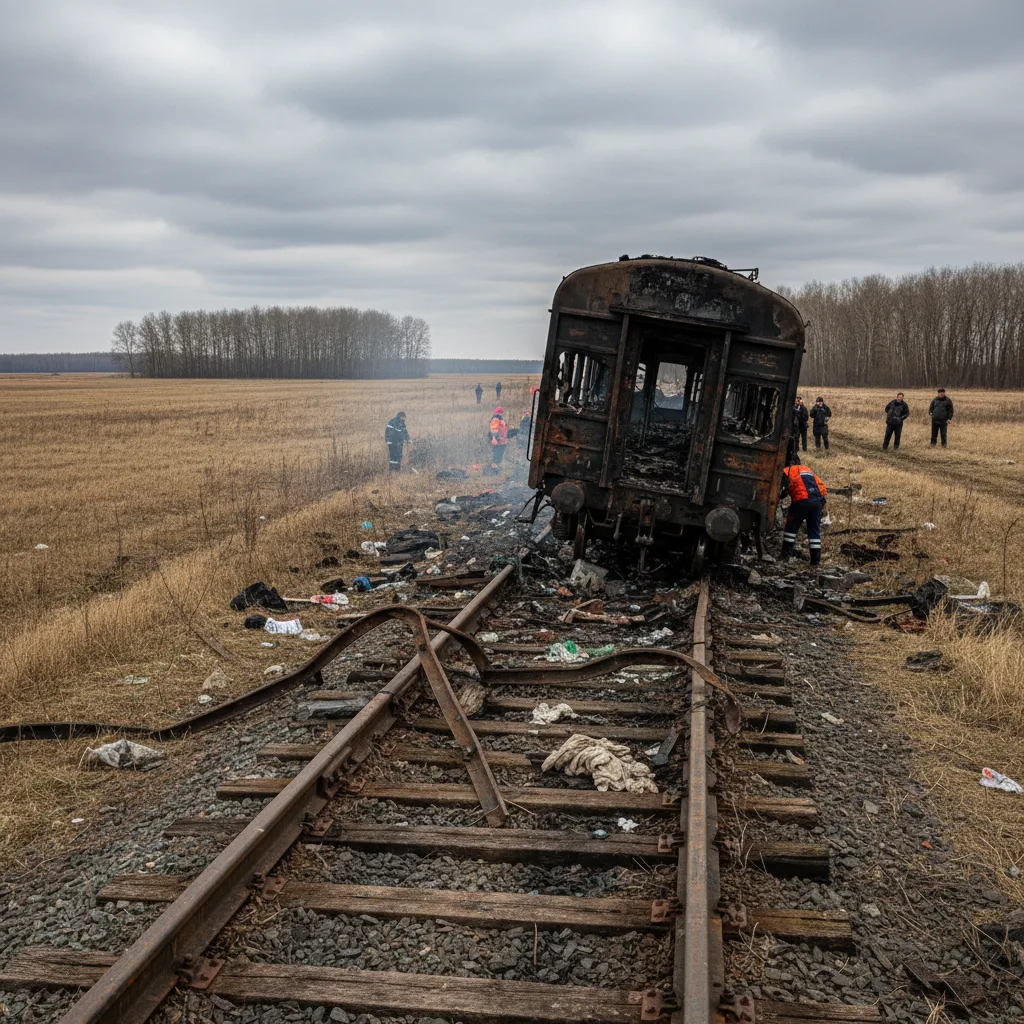
Russian Drone Strikes Ukraine Train After Johnson Visit, Global Alarm Rises 2026
A Russian drone struck a Ukrainian train after Boris Johnson passed through, fueling global alarm. Queens residents watch the impacts of distant conflicts.
Indonesian Ferry Disaster Leaves About 130 Missing in Java Sea
An Indonesian ferry sank in bad weather in the Java Sea, leaving about 130 missing. Cross Bay Boulevard residents express sympathy and concern over travel safety.
Iranian Commercial Vessel Struck in Strait of Hormuz, One Killed
An Iranian commercial vessel was struck in the Strait of Hormuz, killing one. Cross Bay Boulevard residents fear higher gas prices and shipping delays.
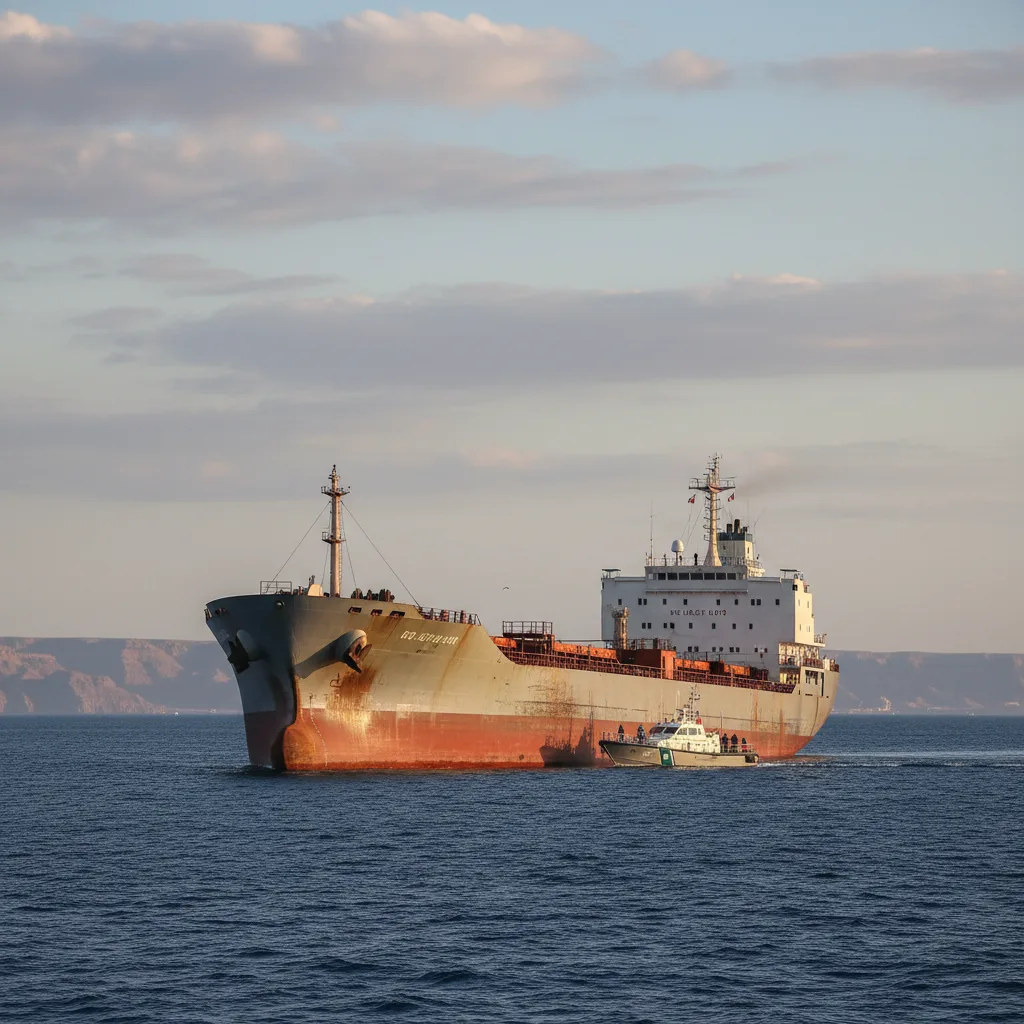
Merchant Vessel Struck Near Iran, One Fatality Reported
A merchant vessel was struck near Iran’s Strait of Hormuz, killing one and injuring three. The incident raises local concerns about gas prices and shipping disruptions.
Cross Bay Boulevard Residents Anxious Over Zelenskyy Drone Incident
Cross Bay Boulevard residents react with anxiety and fatigue after Ukrainian President Zelenskyy's plane nearly hit by a drone near Moldova.