


Coastal Resilience Efforts Accelerate Along Cross Bay Boulevard After 2025 Floods

NEW YORK — Communities along Cross Bay Boulevard are witnessing a significant acceleration of coastal resilience projects, following the severe and widespread flooding events that impacted South Queens in September 2025. These intensified efforts aim to safeguard thousands of homes and businesses from the increasing threats of rising sea levels and extreme weather.
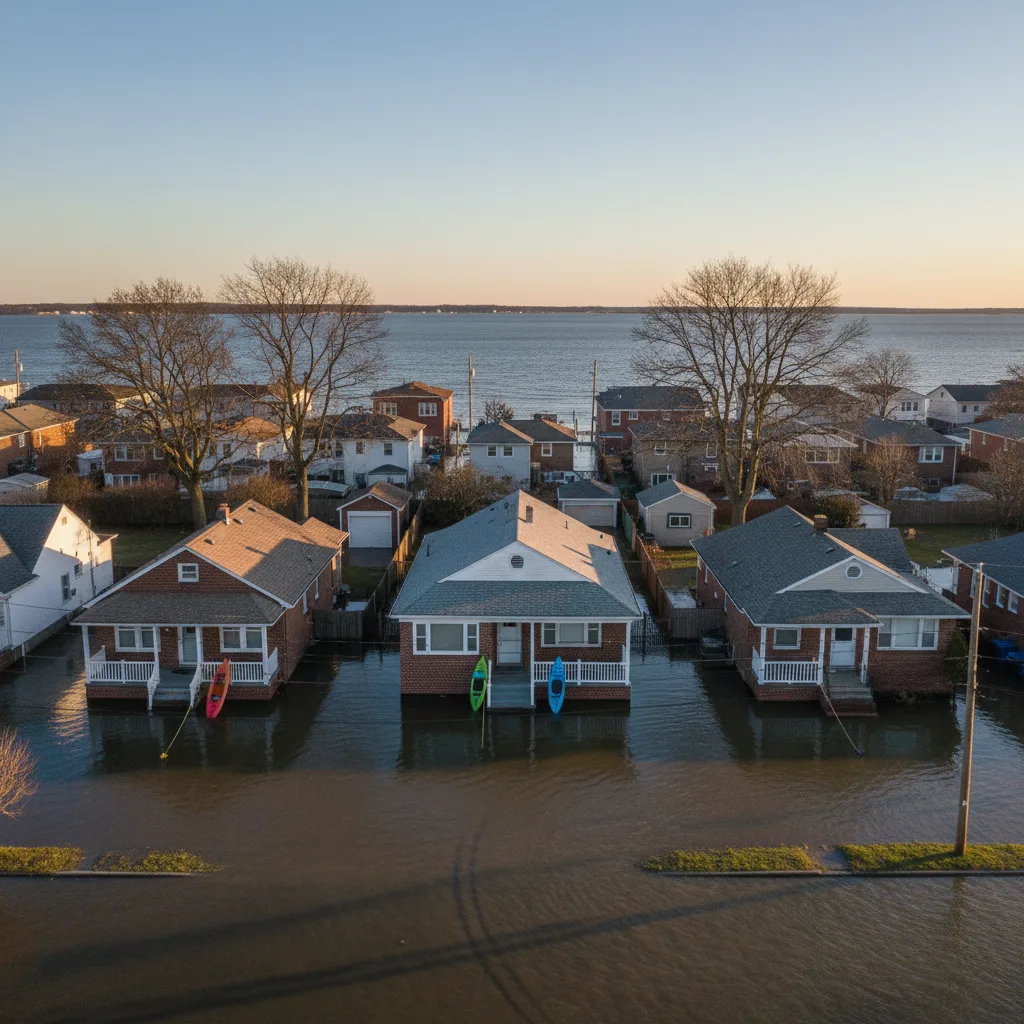
The city’s Department of Environmental Protection (DEP) and various community organizations are collaborating on several initiatives, including the construction of new natural barriers and enhanced drainage systems. The focus is on protecting the vulnerable coastline stretching from Howard Beach to the Rockaways. Residents are keenly aware of the urgency, especially after last year’s storm surge left many properties under several feet of water near the Jamaica Bay shoreline.
2025 Floods Galvanize Action
The heavy rainfall and tidal surges of September 2025 caused an estimated $75 million in property damage across South Queens, with Cross Bay Boulevard neighborhoods bearing a substantial portion of the impact. The incidents underscored existing vulnerabilities and propelled long-discussed resilience plans into immediate action.
“The 2025 floods were a stark reminder of what’s at stake if we don’t act decisively,” stated Angela Rodriguez, Director of Coastal Protection for the NYC DEP, during a recent community meeting in Broad Channel on February 28, 2026. “We are no longer just planning; we are implementing. Our priority is to protect residents and infrastructure.” The DEP has increased its budget allocation for South Queens by 30% for 2026.
Multi-Pronged Resilience Strategies
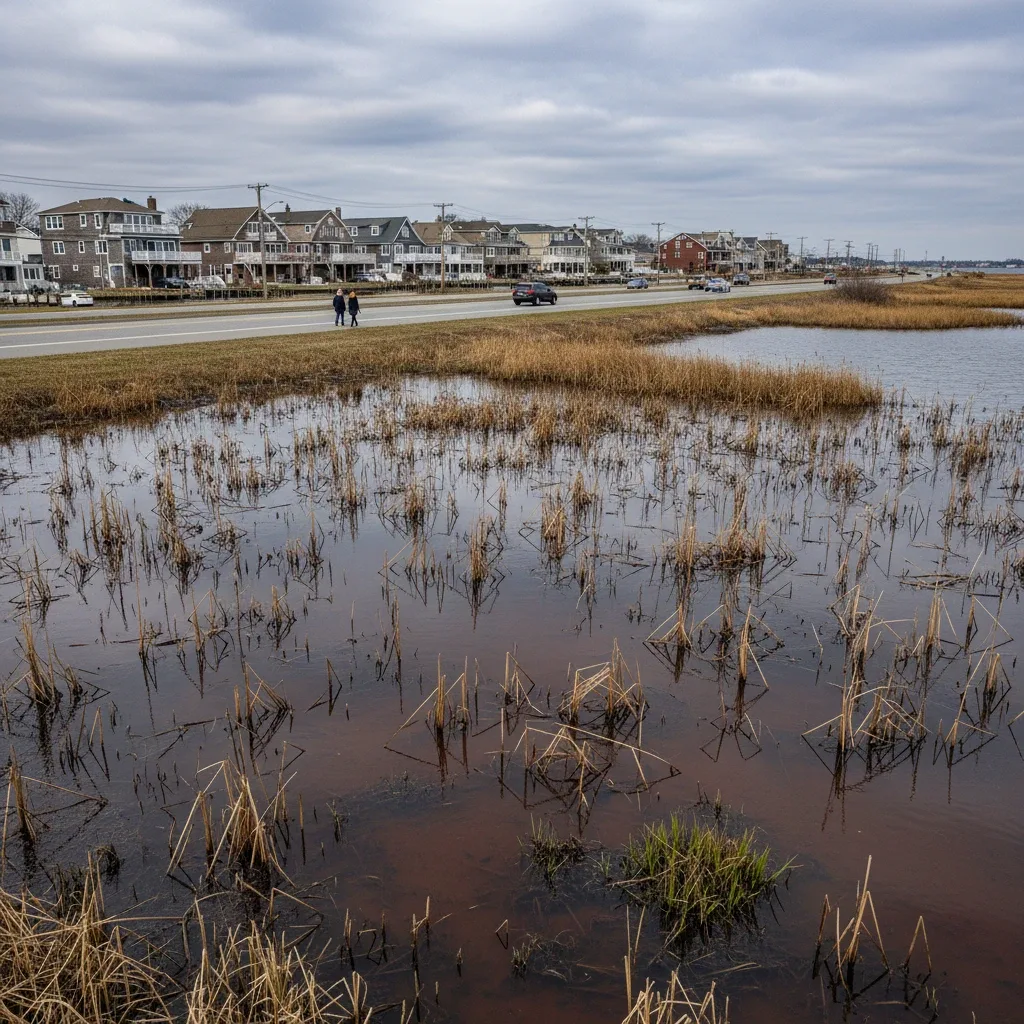
The accelerated projects involve a combination of both green and grey infrastructure solutions. Plans include the restoration of wetlands and oyster reefs in Jamaica Bay, which serve as natural buffers against storm surges and erosion. These natural solutions can absorb significant wave energy and protect the shore.
Concurrently, engineers are designing and installing improved stormwater management systems, including permeable pavements and upgraded catch basins along Cross Bay Boulevard. These systems are crucial for mitigating flash flooding from heavy rainfall. More details about environmental initiatives can be found on Global News World Section.
Community Engagement and Local Participation
Active participation from local residents and community groups has been instrumental in shaping these resilience strategies. Workshops and town halls held in Howard Beach and Broad Channel have gathered valuable on-the-ground insights. This ensures that solutions are tailored to specific neighborhood needs and concerns.
“We’ve lived here for generations; we know where the water goes when it rains,” remarked Samuel Chen, president of the Broad Channel Civic Association, during a recent interview. “Our input isn’t just anecdotal; it’s critical data for the city. It’s good to see our concerns being directly addressed this time around.” His organization represents over 500 local households.
Economic and Environmental Benefits
Beyond immediate flood protection, these resilience efforts are anticipated to yield long-term economic and environmental benefits. Protected commercial properties along Cross Bay Boulevard will experience reduced insurance costs and greater stability, fostering local business growth. Enhanced green spaces also provide recreational opportunities.
Ecologically, the restoration of Jamaica Bay wetlands will improve biodiversity, air quality, and water filtration, creating a healthier local environment. This integrated approach aligns with the city’s broader climate adaptation goals for 2030. The projects are expected to generate approximately 150 local construction jobs over the next two years.
Future Challenges and Ongoing Monitoring
Despite the significant progress, officials acknowledge that coastal resilience is an ongoing challenge. Climate models project continued sea level rise and more frequent extreme weather events for the New York City region. Continuous monitoring, adaptation, and sustained funding will be essential to maintain these protections.
“Our work isn’t done once these projects are complete,” Rodriguez confirmed. “We must remain vigilant and adaptive, consistently assessing our defenses against a changing climate. The future of Cross Bay Boulevard depends on our sustained commitment.” Residents are encouraged to stay informed through local government channels and community alerts.
Frequently Asked Questions About Cross Bay Boulevard Coastal Resilience
- Why are coastal resilience efforts accelerating along Cross Bay Boulevard? The acceleration is a direct response to the severe and widespread flooding experienced in South Queens during September 2025. These events highlighted the urgent need to protect homes and businesses from rising sea levels and extreme weather conditions.
- What types of projects are being implemented? The initiatives include a combination of green and grey infrastructure. Green solutions involve restoring wetlands and oyster reefs in Jamaica Bay to act as natural buffers. Grey infrastructure focuses on improved stormwater management systems like permeable pavements and upgraded catch basins to mitigate flash flooding.
- How much damage did the 2025 floods cause in South Queens? The September 2025 floods resulted in an estimated $75 million in property damage across South Queens, with communities along Cross Bay Boulevard being particularly hard hit. This financial impact underscores the necessity of these protective measures.
- How are local residents involved in the planning process? Community engagement is a key component. The NYC DEP and local organizations are holding workshops and town halls in areas like Howard Beach and Broad Channel to gather resident input. This ensures that the resilience solutions are tailored to specific neighborhood needs and concerns.
- What are the long-term benefits of these coastal resilience projects? Beyond immediate flood protection, the projects are expected to bring economic benefits through reduced property insurance costs and enhanced business stability. Environmentally, wetland restoration improves biodiversity, air quality, and water filtration in Jamaica Bay, contributing to a healthier local ecosystem.
Written by
Newstrix
Cross Bay Current
Related Articles
More in Environment →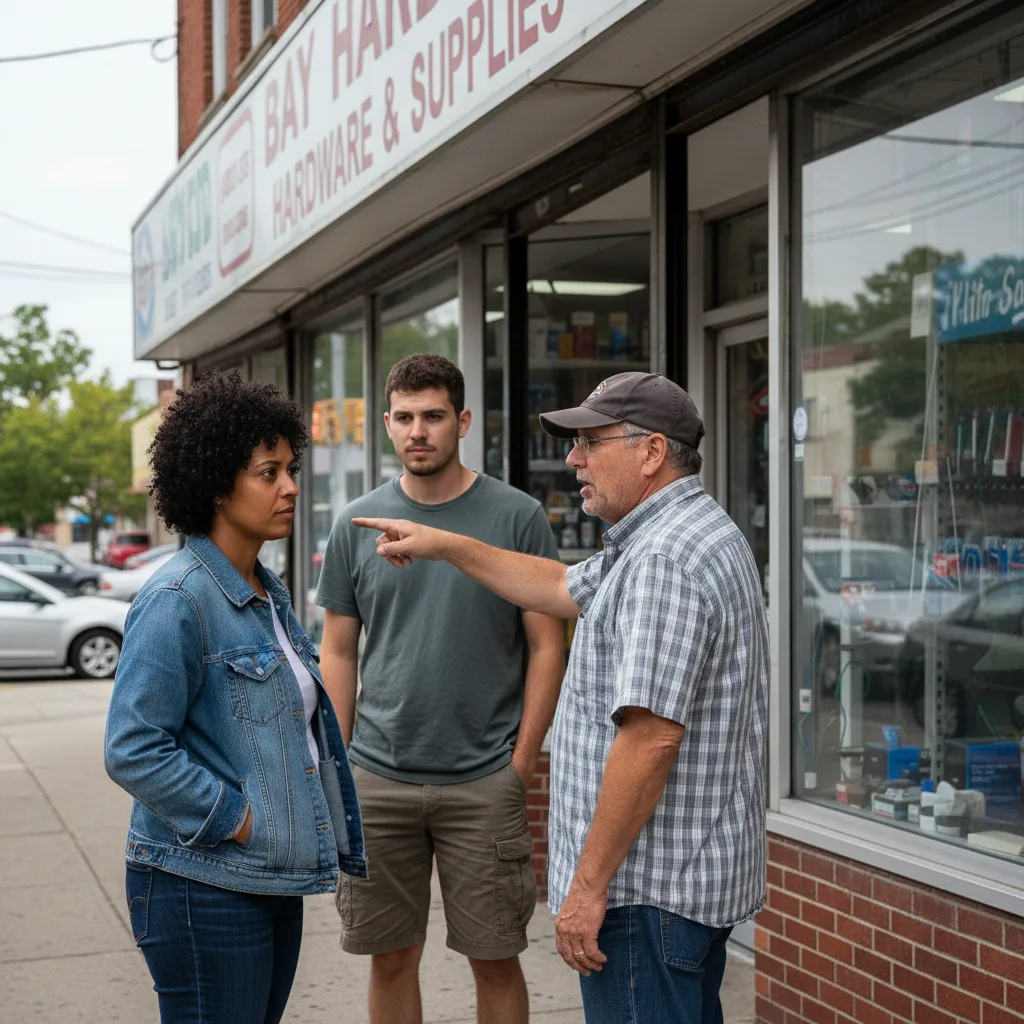
Queens Residents Discuss Nepal-China Flood Devastation
Queens residents on Cross Bay Boulevard discuss Nepal-China floods, drawing parallels to local concerns over flood-prone areas and storm preparedness.
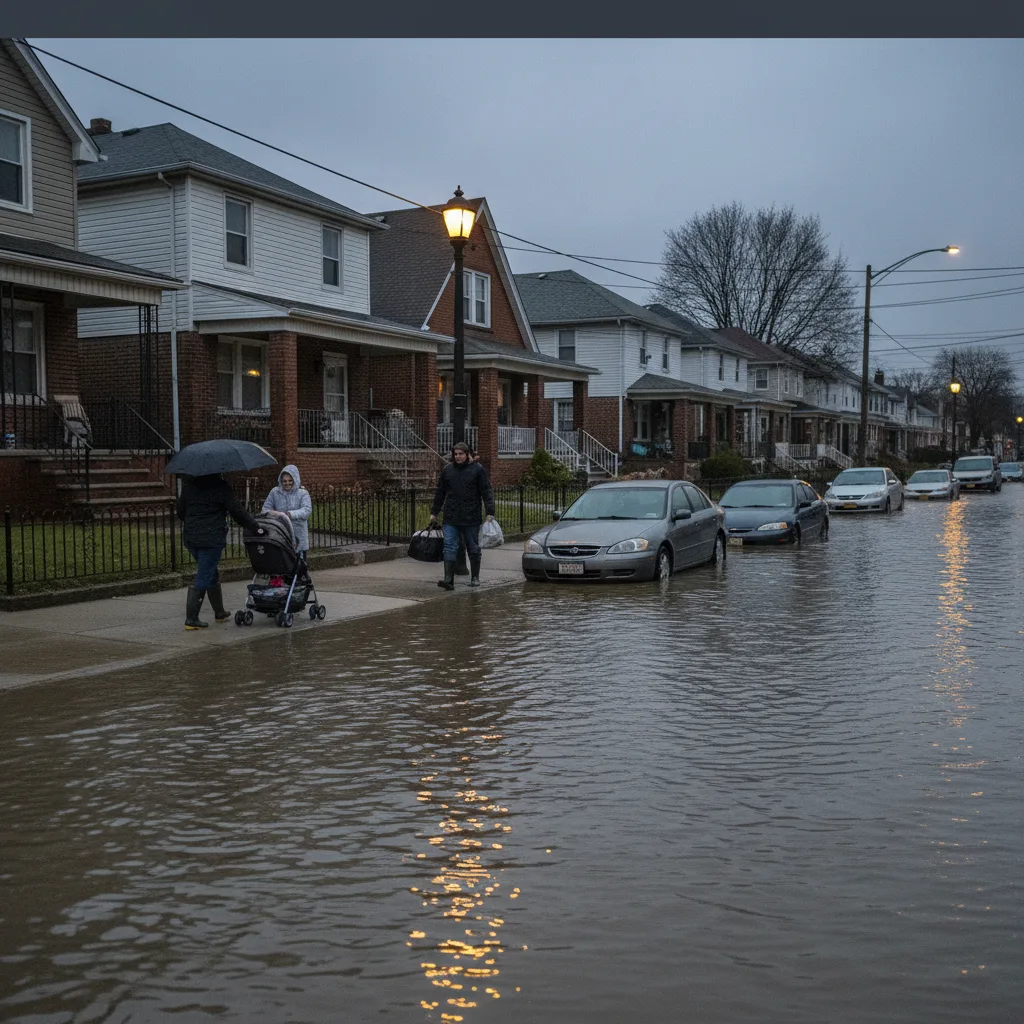
Howard Beach Tackles Rising Tides, Coastal Flooding Concerns 2026
Howard Beach is battling rising tides and coastal flooding this week, as full and new moons combine with rain to inundate neighborhoods like Old Howard Beach, Queens. The community mobilizes against the ongoing water challenges.
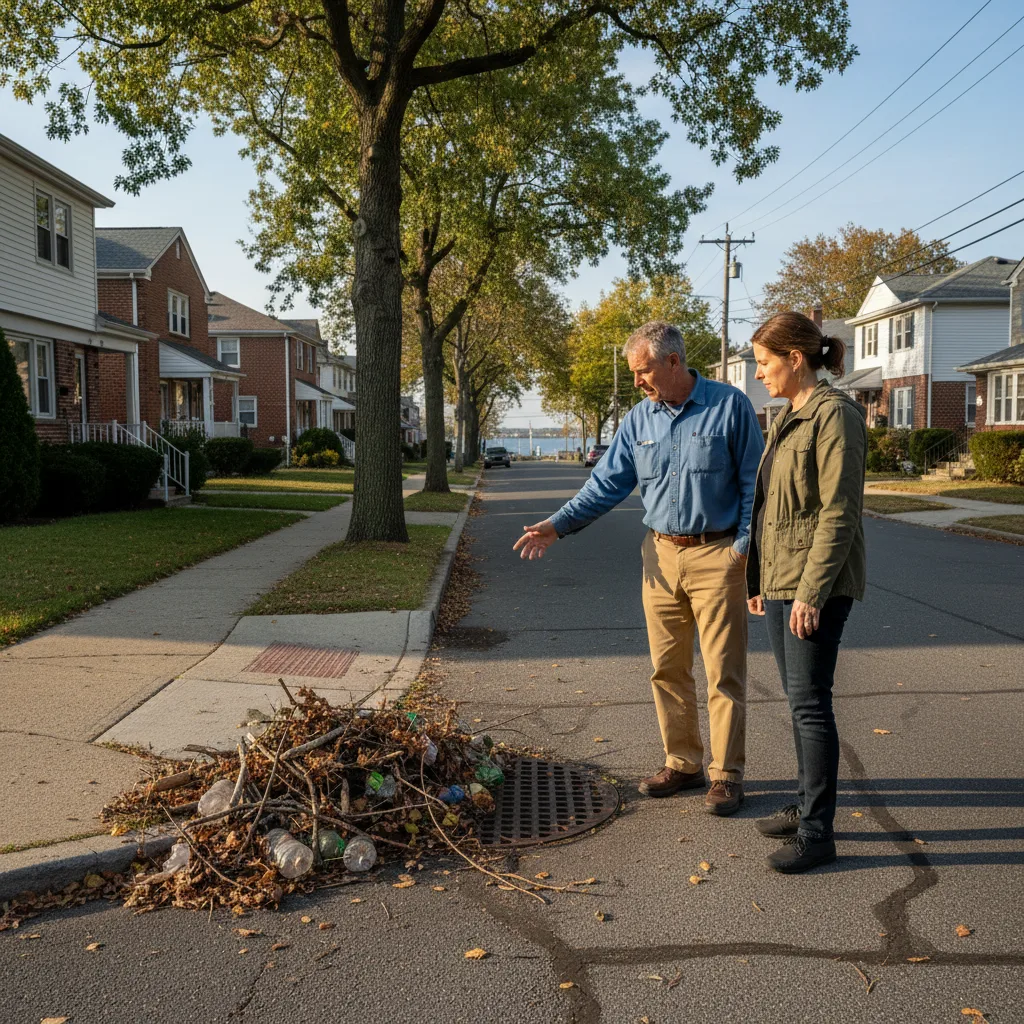
Cross Bay Boulevard Residents Discuss Global Flood Preparedness
Cross Bay Boulevard residents are discussing the Nepal-China floods, prompting local concerns about flood preparedness and NYC's infrastructure in coastal areas.
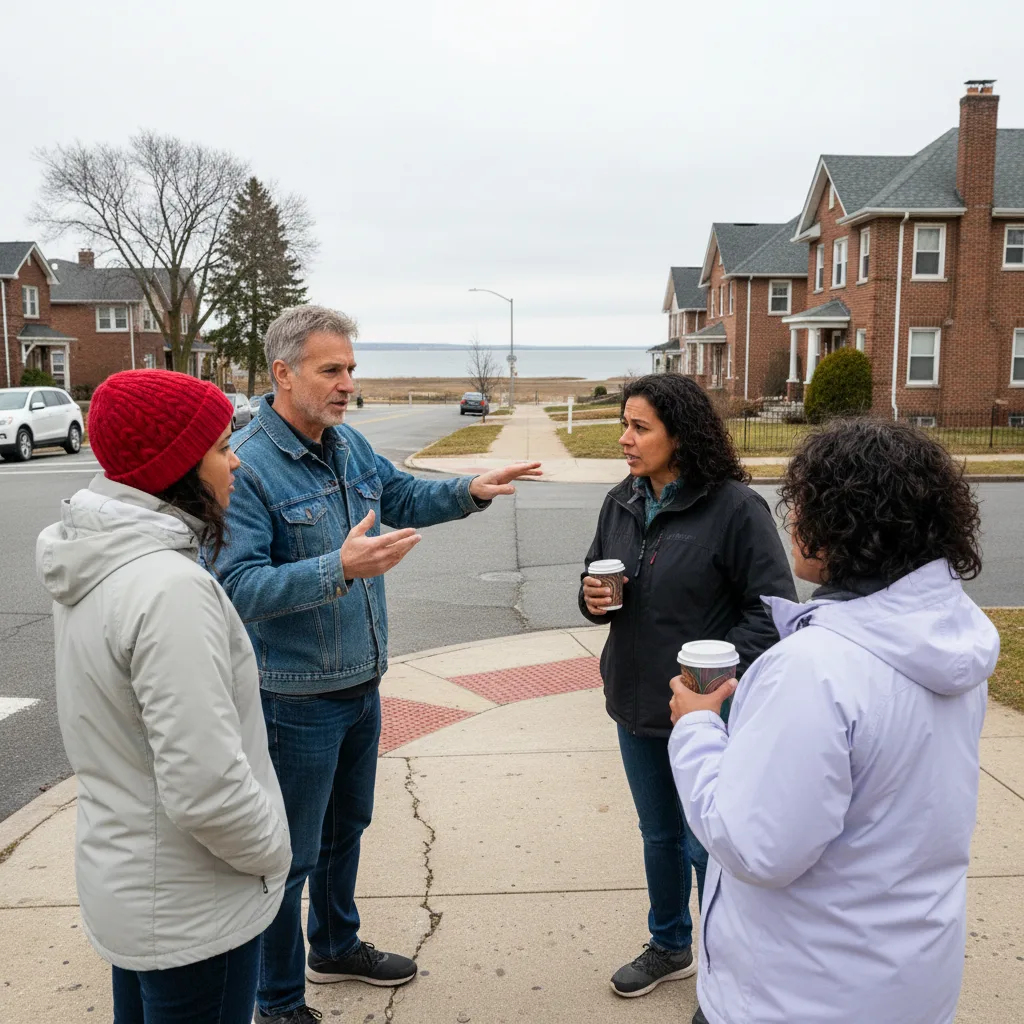
Cross Bay Boulevard Families Concerned Over Nepal Flood Casualties
Queens residents along Cross Bay Boulevard are deeply concerned about the Nepal-China flood disaster, prompting local discussions on emergency preparedness and infrastructure.
Queens Neighborhoods Targeted for Voluntary Flood Buyout Programs
Vulnerable Queens neighborhoods, including those along Cross Bay Boulevard, may be targeted for voluntary flood buyout programs by the city. This addresses rising extreme weather concerns.
Environmental Concerns Emerge Near Cross Bay Boulevard, Queens 2026
A report by New York Focus and Queens Daily Eagle uncovered pressing environmental concerns near Cross Bay Boulevard, affecting residents and ecosystems in Queens.