


Jamaica Bay Yacht Clubs Monitor Russian Yacht Shooting Probe
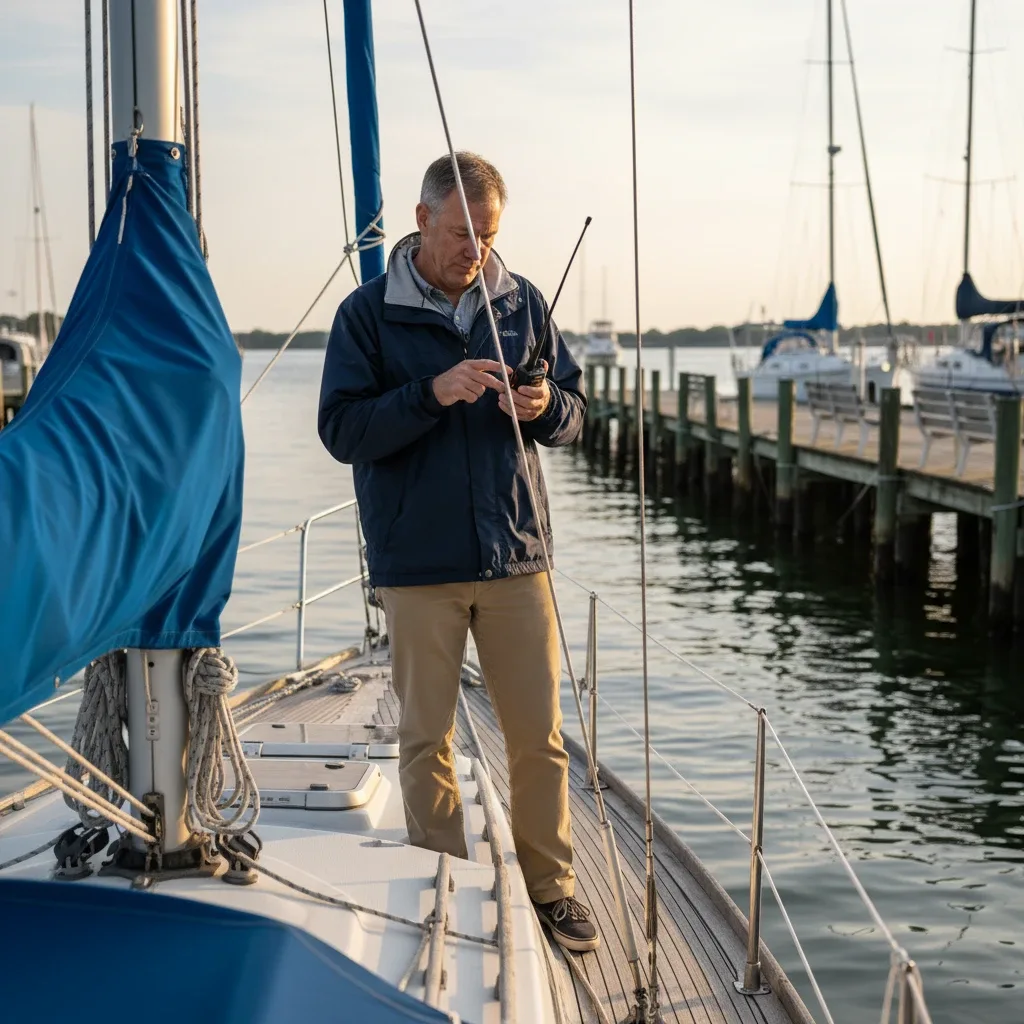
NEW YORK — A single naval warning shot fired near a civilian vessel prompted an international security investigation Thursday, Global News reported. The incident, involving a Russian warship and a British yacht in the English Channel, has heightened maritime safety concerns among boaters and yacht clubs operating throughout Jamaica Bay.
United Kingdom Military Investigates Channel Maritime Security Incident
The British Ministry of Defence confirmed that investigators are gathering radar data and communications logs to determine the exact sequence of events. The yacht’s crew reported that the warship approached them in international waters and fired a warning shot across their bow without provocation.
This diplomatic friction has sent ripples through international boating communities, raising questions about civilian navigation rights in contested waters. Local sailors in Queens are closely following the updates as they prepare for the autumn cruising season.
Jamaica Bay Boating Associations Enforce Strict Navigation Standards
"We must ensure our members are fully prepared for any emergency on the water," Jamaica Bay Boating Association Commodore Robert Sterling said Friday morning. "While we operate in local waters, understanding international maritime protocols and safety procedures is essential for every captain."
Sterling noted that the association has updated its training curriculum to include advanced radio communication and emergency signaling techniques. The group plans to host a joint safety seminar with the local Coast Guard Auxiliary next week.
In addition to safety on the water, local residents are highly sensitive to other environmental and security challenges, including recent debates over Broad Channel Queens biosecurity issues that caught the attention of neighborhood groups.
South Queens Coast Guard Auxiliary Patrols Increase Safety Drills
Volunteer auxiliary units operating out of Broad Channel have increased their weekend training exercises to ensure rapid response capabilities. These drills focus on search and rescue operations, vessel safety checks, and coordinating with federal law enforcement agencies.
Officers are reminding local boaters to keep their marine radios tuned to Channel 16, the international distress frequency, at all times. Boaters can read the maritime security investigation details online to stay informed about changing safety guidelines.
Local captains are also being urged to check their safety equipment, including life jackets, flares, and fire extinguishers, before heading out. The auxiliary provides free safety inspections at several docks along Cross Bay Boulevard throughout the month.
Historic Queens Yacht Clubs Call for Enhanced Federal Port Security
Members of the historic yacht clubs located along the boulevard are advocating for stronger security measures around New York Harbor and its adjacent inlets. They argue that the dense maritime traffic in the region requires constant vigilance to prevent accidents and security breaches.
Club commodores plan to submit a formal request to the Department of Homeland Security for increased maritime patrols during major holiday weekends. They emphasize that protecting civilian boaters is crucial for the region's active recreational economy.
These safety concerns are amplified by environmental challenges, as rising tides and Howard Beach Queens flooding vulnerabilities continue to impact local dock facilities and waterfront properties.
Marine Resource Conservationists Highlight Jamaica Bay Shoreline Protection Protocols
Environmental scientists warn that increased maritime patrols must be balanced with the preservation of sensitive marine habitats. The bay's shallow waters and salt marshes are home to dozens of rare bird species and vital marine life.
Conservationists are working with local boaters to establish voluntary "no-wake" zones near critical nesting areas along the shoreline. They believe that cooperative efforts are the most effective way to protect the environment while maintaining public access to the water.
By mid-afternoon, the calm waters of the bay reflected a clear blue sky as several sailboats glided near the Joseph P. Addabbo Memorial Bridge, their crews enjoying the gentle breeze while remaining vigilant of local vessel traffic.
Frequently Asked Questions
What radio channels should local boaters use for emergency assistance in Jamaica Bay?
Local boaters should use VHF Marine Channel 16 for all emergency distress calls and safety broadcasts. This channel is monitored continuously by the United States Coast Guard and local marine units. For non-emergency assistance, boaters can contact the local Coast Guard Auxiliary on Channel 22A or call their local marina.
How can boaters schedule a free vessel safety check in Queens?
Boaters can schedule a free safety inspection by contacting the local Coast Guard Auxiliary flotilla through their online portal. A certified vessel examiner will meet the captain at their dock or marina to review all required safety equipment. Vessels that pass the inspection will receive a safety decal for their windshield.
What are the rules regarding speed limits and wake zones in Jamaica Bay?
The city enforces a strict five-mile-per-hour speed limit within one hundred feet of any shore, dock, pier, or anchored vessel. Additionally, boaters must minimize their wake when passing near marinas and sensitive ecological areas. Violators face steep fines from the NYPD Harbor Unit and state environmental conservation officers.
Written by
Newstrix
Cross Bay Current
Related Articles
More in Environment →
Cross Bay Boulevard Residents Connect Bangkok Flooding to Local Concerns
Queens residents on Cross Bay Boulevard link Bangkok's flood disaster to their own local concerns about storm drains and neighborhood flood preparedness.
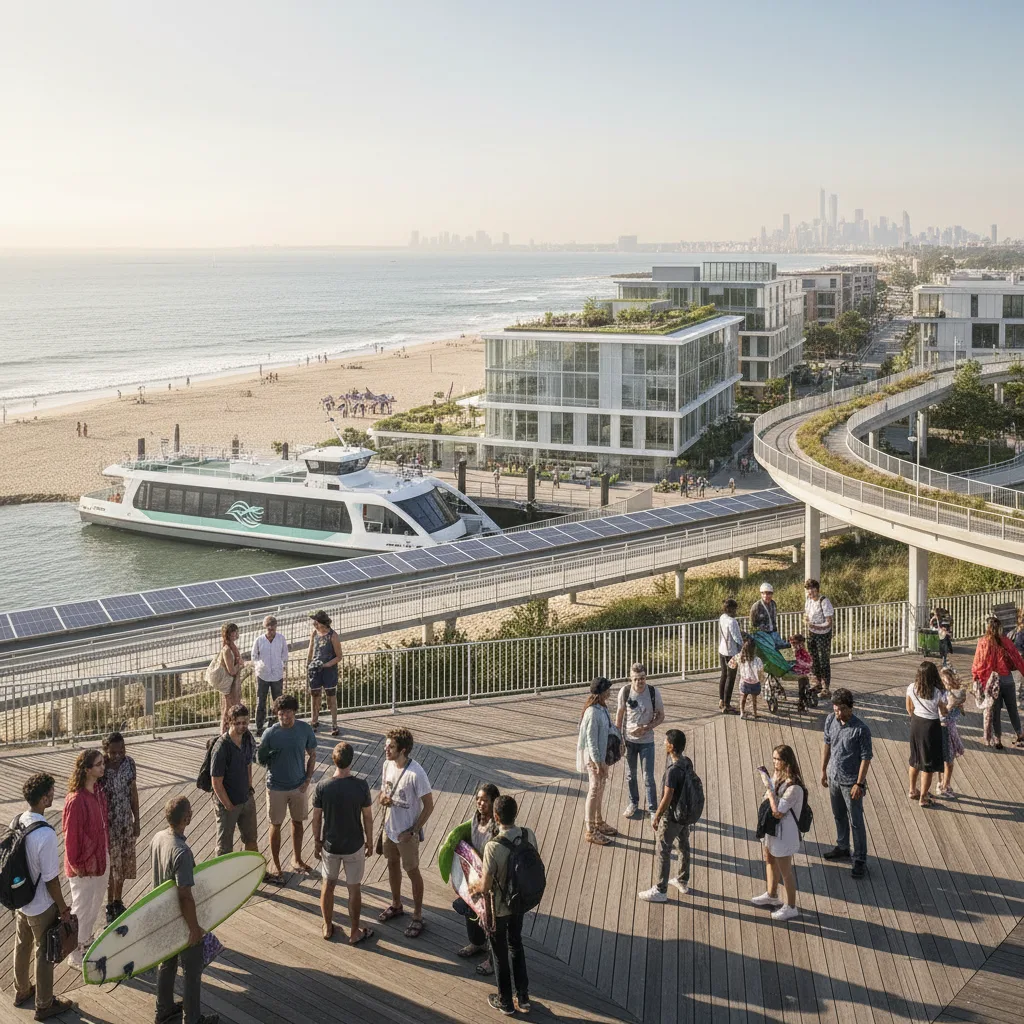
Your Essential Guide to the Rockaway Ocean Club in 2026
Discover what to expect at the Rockaway Ocean Club in 2026, a vibrant beachfront hub in Queens with dining, events, and community activities.
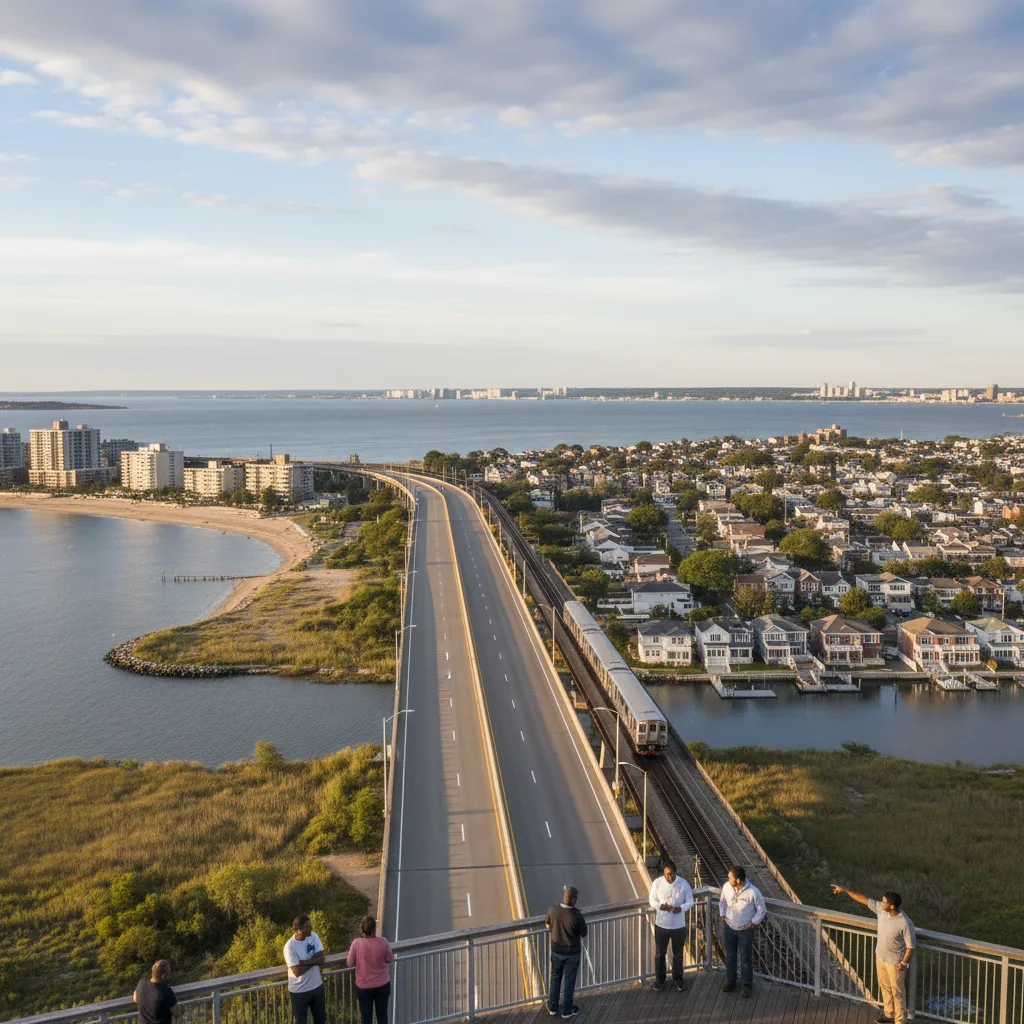
Is Howard Beach in Queens or Brooklyn? A Comprehensive Guide to This Unique NYC Neighborhood
Is Howard Beach in Queens or Brooklyn? Discover the definitive answer: Howard Beach is a vibrant Queens neighborhood with unique coastal charm.
Your Essential Guide to Roy Wilkins Park Events in 2026
Discover the essential guide to Roy Wilkins Park events in 2026, featuring concerts, festivals, sports, and nature programs for South Queens residents.
Is Howard Beach in Queens? An Essential Guide to This Vibrant NYC Neighborhood
Discover if Howard Beach is in Queens, NYC, and explore this vibrant neighborhood's unique geography, community, lifestyle, and local attractions.
Your Guide to Enjoying All Things Go Festival in 2026
Plan your 2026 All Things Go Festival experience from Queens with our comprehensive guide, covering tickets, travel, and what to expect.